


Hey there! As a control board supplier, I often get asked about the weight of a control board. It might seem like a simple question, but the answer is actually a bit more complex than you'd think. In this blog post, I'll break down the factors that affect the weight of a control board and why it matters.
First off, let's talk about what a control board is. A control board is essentially the brain of a system. It's a printed circuit board (PCB) that contains electronic components like microcontrollers, resistors, capacitors, and integrated circuits. These components work together to control and manage the functions of a device, whether it's a home appliance, an industrial machine, or a vehicle.
Now, the weight of a control board can vary widely depending on several factors. One of the biggest factors is the size of the board. Larger boards generally weigh more because they have more space to accommodate additional components. For example, a control board for a large industrial machine might be much bigger than one for a small consumer device, and thus it will weigh more.

Another factor is the type and number of components on the board. High - power components like transformers and large capacitors can add a significant amount of weight. If a control board is designed to handle high - voltage or high - current applications, it will likely have these heavier components. On the other hand, a board for a low - power, simple device might have lighter, more compact components.
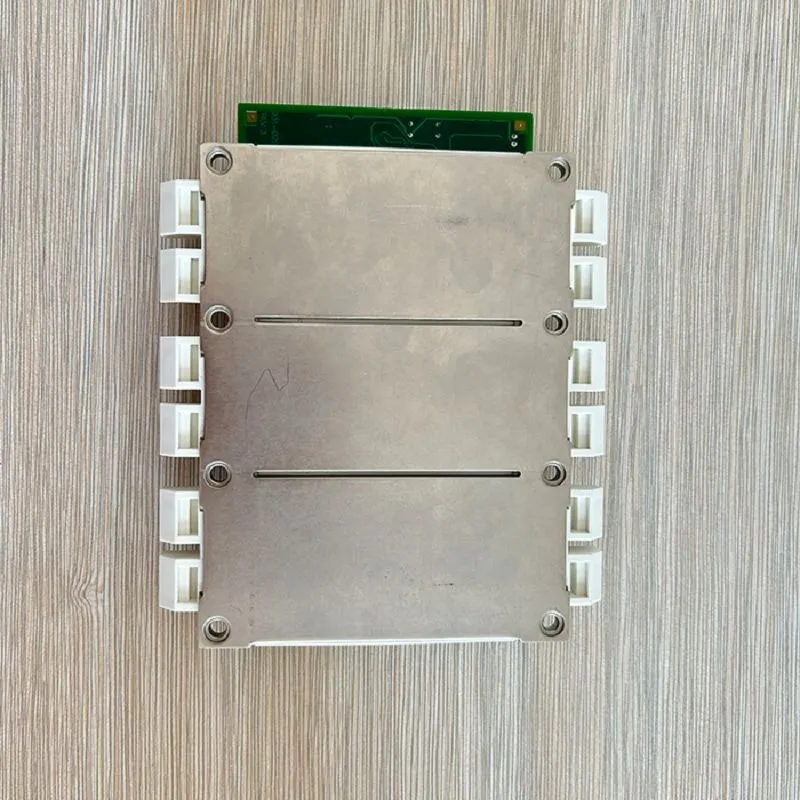
The materials used in the construction of the board also play a role. The PCB itself can be made from different types of materials, such as fiberglass - reinforced epoxy (FR - 4), which is a common and relatively lightweight option. But if a more specialized or high - performance material is used, it could affect the weight. Additionally, the soldering materials and the type of enclosure (if any) can contribute to the overall weight.
Let's take a look at some specific examples. The Trane Control Board is designed for Trane HVAC systems. These boards are engineered to control the various functions of the heating and cooling units, such as temperature regulation, fan speed, and compressor operation. The weight of a Trane control board can depend on its specific model and the complexity of the system it's designed for. Some might be relatively light, weighing just a few ounces, while others could be heavier, especially if they have more advanced features and components.
Similarly, the York Control Board is used in York HVAC equipment. York offers a range of control boards for different types of units, from small residential systems to large commercial ones. The weight of these boards can vary based on the size of the unit they're meant to control and the number of functions they need to manage. For instance, a control board for a large commercial York air - conditioning unit might be bulkier and heavier compared to one for a small window unit.
The York 031 - 02418 - 001 CONTRANL VGD STALL DETECTOR BOARD is a specialized control board. Its main function is to detect stalls in the VGD (Variable Geometry Diffuser) system. This board is likely to have specific components tailored to its detection and monitoring functions. These components, along with the board's overall design, will determine its weight.
So, why does the weight of a control board matter? Well, for one thing, weight can be an important factor in transportation and installation. If you're shipping a large number of control boards, a heavier board will cost more to transport due to increased shipping fees based on weight. During installation, a heavier board might require more support or a different mounting method.

In some applications, weight can also affect the performance of the overall system. For example, in aerospace or automotive applications, every ounce matters. A lighter control board can contribute to better fuel efficiency or improved maneuverability.
As a control board supplier, I understand the importance of getting the weight right for our customers. We work hard to optimize the design of our control boards to balance the need for functionality and performance with weight considerations. We use advanced engineering techniques to select the right components and materials to ensure that our boards are as light as possible without sacrificing quality.
If you're in the market for a control board, whether it's a Trane, York, or any other type, we've got you covered. Our team of experts can help you find the perfect control board for your specific needs. We offer a wide range of control boards with different weights, sizes, and features. Whether you need a lightweight board for a portable device or a heavy - duty board for an industrial application, we can provide it.
If you have any questions or want to discuss your control board requirements, don't hesitate to reach out. We're here to help you make the best choice for your project. Contact us to start a conversation about your control board needs and let's work together to find the ideal solution.
References

- General knowledge of electronics and control board technology
- Manufacturer specifications for Trane, York, and other control boards


