


Hey there! As a compressor oil supplier, I've seen it all when it comes to different types of compressor oil. In this blog, I'm gonna break down the various types of compressor oil and give you the lowdown on what makes each one special. So, let's dive right in!

Mineral Oils
Mineral oils are like the old - school players in the compressor oil game. They're derived from crude oil through a refining process. These oils are cost - effective, which makes them a popular choice for many small to medium - sized compressors.
One of the big advantages of mineral oils is their good lubrication properties. They can reduce friction between moving parts in the compressor, which helps to extend the lifespan of the equipment. However, they do have some limitations. Mineral oils aren't as stable at high temperatures as some other types of compressor oil. They can break down more easily, leading to the formation of sludge and varnish in the compressor.
Another drawback is their poor resistance to oxidation. Over time, oxidation can cause the oil to thicken, which can lead to reduced efficiency and potential damage to the compressor. But hey, if you've got a compressor that operates under relatively mild conditions and you're on a budget, mineral oils might just be the way to go.
Synthetic Oils
Synthetic oils are the high - tech cousins of mineral oils. They're man - made in a laboratory, and this gives them some pretty awesome properties. First off, synthetic oils have excellent thermal stability. They can handle high temperatures without breaking down, which is great for compressors that run hot.
For example, in industrial compressors that operate continuously at high pressures and temperatures, synthetic oils are a top choice. They also have better oxidation resistance compared to mineral oils. This means they can last longer and keep your compressor running smoothly for a more extended period.
Synthetic oils also have lower volatility. This means they evaporate less easily, reducing the need for frequent oil top - ups. However, all these benefits come at a price. Synthetic oils are generally more expensive than mineral oils. But if you're looking for a long - term solution for a high - performance compressor, the investment in synthetic oils is usually worth it.
Semi - Synthetic Oils
Semi - synthetic oils are a blend of mineral and synthetic oils. They offer a bit of the best of both worlds. These oils are more affordable than full - synthetic oils but still have better performance than pure mineral oils.
The blend allows semi - synthetic oils to have improved thermal stability and oxidation resistance compared to mineral oils. They can handle a wider range of operating temperatures and are less likely to form sludge and varnish.
Semi - synthetic oils are a great option for compressors that operate under moderately demanding conditions. They're a popular choice for many commercial applications where you need a balance between cost and performance.
Polyalkylene Glycol (PAG) Oils
PAG oils are a special type of synthetic oil. They're known for their excellent lubrication properties and high - temperature stability. PAG oils have a very low coefficient of friction, which means they can reduce energy consumption in the compressor.
They're also highly resistant to oxidation and can withstand extreme temperatures. PAG oils are often used in refrigeration compressors, especially in applications where there's a need for compatibility with certain refrigerants.
However, PAG oils can be a bit tricky to work with. They're hygroscopic, which means they absorb moisture from the air. If not properly handled, this can lead to issues like corrosion and reduced performance. So, when using PAG oils, proper storage and handling are crucial.
Polyol Ester (POE) Oils
POE oils are another type of synthetic oil that's commonly used in refrigeration compressors. They're designed to be compatible with modern refrigerants, such as R - 134a, R - 404A, and R - 410A.
POE oils have good lubrication properties and excellent thermal and oxidation stability. They can also handle a wide range of temperatures, making them suitable for both low - temperature and high - temperature applications.

One of the great things about POE oils is their environmental friendliness. They have a low global warming potential compared to some other types of oils. This makes them a popular choice for companies looking to reduce their environmental impact.

Compressor Oil for Specific Brands
Now, let's talk about some specific brands of compressor oil. As a supplier, I deal with a variety of brands, and each has its own unique features.
- Bitzer Oil B320SH: This oil is specifically designed for Bitzer compressors. It offers excellent lubrication and cooling properties, ensuring that your Bitzer compressor runs smoothly. You can find more about it here.
- Trane OilTrane Oil: Trane is a well - known brand in the HVAC industry, and their compressor oil is designed to meet the high - performance requirements of Trane compressors. Check it out here.
- Trane Oil OIL00022: Another great option from Trane, this oil is formulated to provide optimal performance and protection for Trane compressors. You can learn more about it here.
How to Choose the Right Compressor Oil
Choosing the right compressor oil can be a bit of a challenge. Here are some factors to consider:
- Compressor Type: Different types of compressors, such as reciprocating, rotary, or centrifugal, have different requirements. Make sure to choose an oil that's suitable for your specific compressor type.
- Operating Conditions: Consider the temperature, pressure, and humidity in which your compressor operates. If it runs at high temperatures, you'll need an oil with good thermal stability.
- Refrigerant Compatibility: If your compressor is used in a refrigeration system, the oil must be compatible with the refrigerant. Using an incompatible oil can lead to performance issues and potential damage to the compressor.
- Manufacturer Recommendations: Always check the manufacturer's recommendations for your compressor. They'll usually specify the type and grade of oil that's best for your equipment.
Conclusion
So, there you have it! The different types of compressor oil and what you need to know about them. Whether you're looking for a cost - effective option like mineral oil, a high - performance synthetic oil, or something in between like semi - synthetic oil, there's a compressor oil out there that's right for your needs.
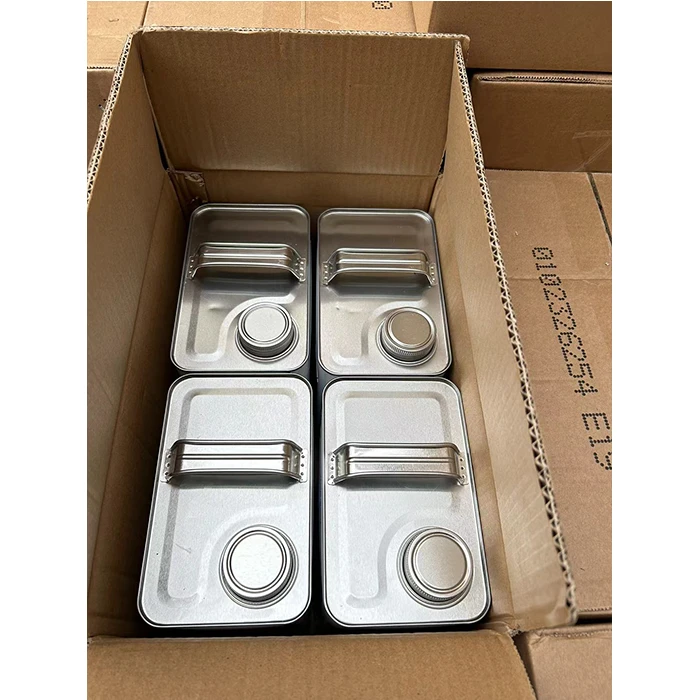
If you're in the market for compressor oil, don't hesitate to reach out. We've got a wide range of options to choose from, and our team can help you find the perfect oil for your compressor. Whether you're a small business owner or part of a large industrial operation, we're here to assist you in getting the best performance out of your compressor. Let's start a conversation and find the ideal compressor oil solution for you!
References
- Compressor Handbook, various editions
- Manufacturer's documentation for compressor oils
- Industry research reports on compressor lubricants


