

In the field of industrial equipment and safety systems, relief valves and safety valves play crucial roles in protecting equipment and personnel from over - pressure situations. As a relief valve supplier, I often encounter customers who are confused about the differences between these two types of valves. In this blog, I will delve into the details to clarify the distinctions between relief valves and safety valves.
Definitions and Basic Concepts
Let's start with the definitions. A relief valve is a type of valve that opens in proportion to the increase in pressure above the set point. It is designed to relieve excess pressure gradually, allowing the system to maintain a relatively stable pressure within a certain range. For example, in a hydraulic system, a relief valve can prevent the pressure from rising too high by diverting some of the fluid when the pressure exceeds the pre - set limit.
On the other hand, a safety valve is an automatic pressure - relieving device that opens suddenly (pop - action) when the pressure reaches the set point. It is intended to rapidly discharge a large amount of fluid or gas to prevent a catastrophic over - pressure event. Safety valves are commonly used in high - pressure systems such as steam boilers and pressure vessels, where a sudden and significant pressure increase can lead to serious accidents.
Operating Principles
The operating principle of a relief valve is based on the balance between the inlet pressure and the spring force. When the inlet pressure exceeds the spring - set pressure, the valve starts to open gradually. The amount of opening is proportional to the pressure increase, which means that as the pressure rises further, the valve opens wider to relieve more fluid. This proportional opening characteristic allows the relief valve to control the pressure within a relatively narrow range.
In contrast, a safety valve operates on a different principle. It has a disc that is held in place by a spring. When the pressure reaches the set point, the force exerted by the pressure on the disc overcomes the spring force, causing the disc to lift suddenly. This pop - action results in a large and rapid discharge of fluid or gas, which is essential for quickly reducing the pressure in the system.
Applications
Relief valves are widely used in various industrial applications where a controlled release of pressure is required. For instance, in chemical processing plants, relief valves are used in pipelines and storage tanks to protect against over - pressure caused by chemical reactions or temperature changes. They are also commonly found in refrigeration systems, where they help maintain the proper pressure in the refrigerant circuit. You can find a variety of relief valves, such as the Trane Relief Valve, which is specifically designed for certain industrial applications.
Safety valves, on the other hand, are mainly used in applications where the consequences of over - pressure are extremely severe. In power plants, safety valves are installed on steam boilers to prevent explosions. They are also used in nuclear power plants to ensure the safety of the reactor coolant system. Additionally, safety valves are required by law in many pressure vessel applications to meet safety standards.
Design and Construction
Relief valves are typically designed with a more compact and simple structure. They usually have a single - stage or multi - stage design, depending on the application requirements. The valve body is often made of materials such as stainless steel, carbon steel, or brass, which can withstand the pressure and corrosion of the fluid being handled.
Safety valves, in contrast, are designed to be more robust and reliable. They have a larger flow capacity and are constructed with high - quality materials to ensure their performance under extreme conditions. The design of a safety valve often includes features such as a blowdown adjustment mechanism, which allows for fine - tuning of the valve's operating characteristics.
Set Pressure and Blowdown
The set pressure of a relief valve is the pressure at which the valve starts to open. It is usually set based on the maximum allowable working pressure of the system. The blowdown of a relief valve is the difference between the set pressure and the reseating pressure. A smaller blowdown means that the valve will close more quickly after the pressure has been relieved, which is desirable in some applications.
For safety valves, the set pressure is also critical. However, safety valves typically have a larger blowdown compared to relief valves. This is because the rapid opening and closing of a safety valve can cause pressure fluctuations, and a larger blowdown helps to ensure that the valve does not chatter or cycle continuously.
Sizing and Selection
Proper sizing and selection of relief valves and safety valves are essential for their effective operation. When sizing a relief valve, factors such as the maximum flow rate, the inlet and outlet pressures, and the type of fluid need to be considered. The relief valve must be able to handle the maximum expected flow of fluid during an over - pressure event without exceeding its capacity.
For safety valves, sizing is even more critical. The safety valve must be able to discharge enough fluid or gas to prevent the pressure from rising above the maximum allowable pressure of the system. In addition to the flow rate and pressure requirements, the type of application and the safety standards must also be taken into account. For example, in some industries, specific standards may require the use of a particular type of safety valve with certain performance characteristics.
Maintenance and Inspection
Both relief valves and safety valves require regular maintenance and inspection to ensure their proper functioning. Relief valves should be inspected for any signs of leakage, wear, or damage. The spring should be checked for proper tension, and the valve seat should be cleaned and inspected for any corrosion or pitting.
Safety valves, due to their critical role in preventing over - pressure accidents, require more rigorous maintenance and inspection. They are often subject to periodic testing and calibration to ensure that they will operate correctly in an emergency. In some cases, safety valves may need to be removed from the system and sent to a certified testing facility for inspection and testing.
Conclusion
In conclusion, while relief valves and safety valves both serve the purpose of protecting against over - pressure, they have significant differences in terms of their definitions, operating principles, applications, design, and maintenance requirements. As a relief valve supplier, I understand the importance of providing the right valve for each specific application. Whether you need a relief valve for a controlled pressure release or a safety valve for a high - risk application, I can offer a wide range of products to meet your needs.
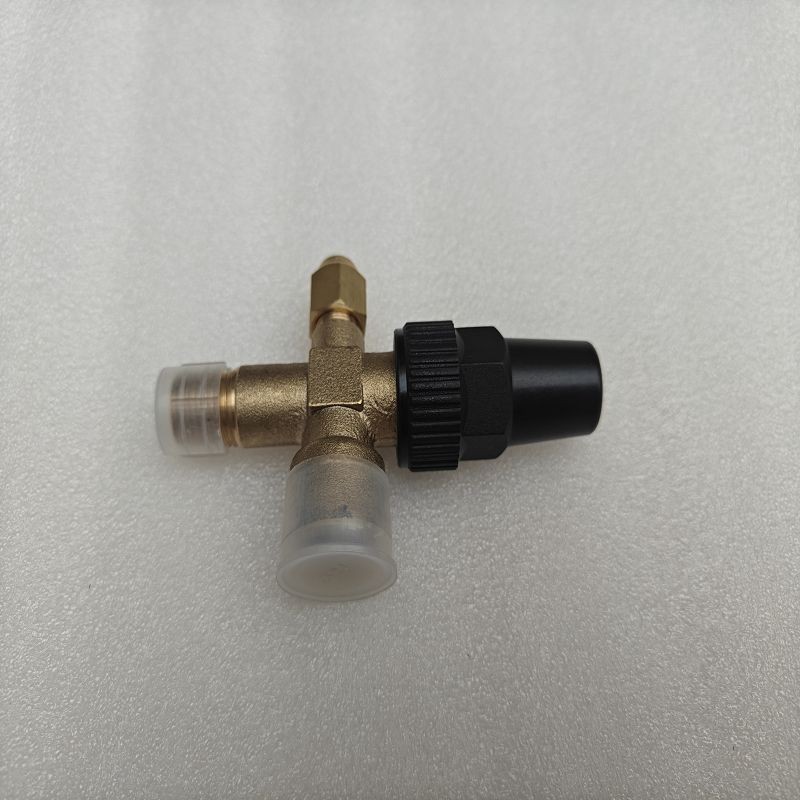

If you are in the market for relief valves or have any questions about the differences between relief valves and safety valves, please feel free to contact me for more information and to discuss your specific requirements. We can work together to select the most suitable valve for your application and ensure the safety and efficiency of your industrial systems.
References
- ASME Boiler and Pressure Vessel Code
- API 520 and API 526 Standards
- ISO Standards for Valves and Pressure - Relief Devices


