


Hey there! As a pressure switch supplier, I often get asked about what materials these nifty devices are made of. So, I thought I'd take a deep dive into the topic and share some insights with you.
First off, let's understand what a pressure switch does. It's a simple yet crucial device that senses pressure changes in a system and then activates or deactivates an electrical circuit accordingly. You can find them in all sorts of applications, from HVAC systems to industrial machinery.
The Housing
The housing of a pressure switch is like its protective shell. It shields the internal components from external elements such as dust, moisture, and physical damage. One of the most common materials used for the housing is plastic.
Plastic housings are lightweight, which makes them easy to install and handle. They're also relatively inexpensive to produce, which helps keep the overall cost of the pressure switch down. There are different types of plastics used, like polycarbonate and acrylonitrile butadiene styrene (ABS). Polycarbonate is known for its high impact resistance and good clarity, while ABS offers a good balance of strength, stiffness, and processability.
On the other hand, some pressure switches have metal housings. Metals like aluminum and stainless steel are popular choices. Aluminum is lightweight and has good corrosion resistance. It's also a good conductor of heat, which can be beneficial in applications where heat dissipation is important. Stainless steel, on the other hand, is extremely durable and resistant to corrosion, making it ideal for harsh environments. For example, in industrial settings where the pressure switch might be exposed to chemicals or high humidity, a stainless - steel housing would be a great option.
The Diaphragm
The diaphragm is a key component of a pressure switch. It's a flexible membrane that moves in response to changes in pressure. One of the most widely used materials for diaphragms is rubber. Rubber diaphragms are flexible and can withstand a wide range of pressures. They're also resistant to many chemicals, which is important in applications where the pressure switch might come into contact with various fluids.
Neoprene is a type of rubber commonly used in pressure switch diaphragms. It has good resistance to oil, ozone, and weathering. Another option is silicone rubber. Silicone rubber has excellent high - and low - temperature resistance, making it suitable for applications with extreme temperature variations.
In some high - precision applications, metal diaphragms are used. Stainless steel diaphragms are known for their high accuracy and long - term stability. They can handle high pressures and are less likely to deform over time compared to rubber diaphragms. However, they're more expensive and may require more precise manufacturing processes.
The Contacts
The contacts in a pressure switch are responsible for making and breaking the electrical circuit. They need to be made of materials that can conduct electricity well and withstand the electrical arcing that occurs when the circuit is opened or closed.
Copper is a common material for contacts because it has excellent electrical conductivity. It's also relatively inexpensive. However, copper contacts can oxidize over time, which can increase the resistance and affect the performance of the pressure switch. To overcome this, silver - plated copper contacts are often used. The silver coating provides better conductivity and is more resistant to oxidation.
For high - current applications, contacts made of materials like tungsten or molybdenum are used. These metals have high melting points and can handle large amounts of current without melting or deforming. They're also resistant to electrical arcing, which is crucial in applications where there are frequent switching operations.
The Springs
Springs are used in pressure switches to set the pressure at which the switch activates or deactivates. The most common material for springs is steel. High - carbon steel is often used because it has good strength and elasticity. It can be heat - treated to achieve the desired spring characteristics.
Stainless - steel springs are also popular, especially in applications where corrosion resistance is important. They can be used in humid or corrosive environments without rusting or losing their mechanical properties.
Examples of Pressure Switches
Now, let me introduce you to some of the pressure switches we offer. We have the Carrier W12BE016 Pressure Switch. This pressure switch is designed for specific HVAC applications. It has a durable housing that can withstand the rigors of continuous use in heating and cooling systems. The diaphragm is made of a high - quality rubber that provides accurate pressure sensing.
Another great option is the Carrier Pressure Switch. It's a versatile switch that can be used in a variety of industrial and commercial applications. The contacts are made of silver - plated copper to ensure reliable electrical conductivity.
And then there's the Carrier HK02ZA439 Pressure Switch. This switch is built for high - pressure applications. It has a stainless - steel housing and a metal diaphragm for maximum durability and accuracy.
Why Choose Our Pressure Switches?
When you choose our pressure switches, you're getting products that are made with high - quality materials. We source our materials from trusted suppliers and use advanced manufacturing processes to ensure the reliability and performance of our switches. Whether you need a pressure switch for a small HVAC system or a large industrial machine, we have the right product for you.
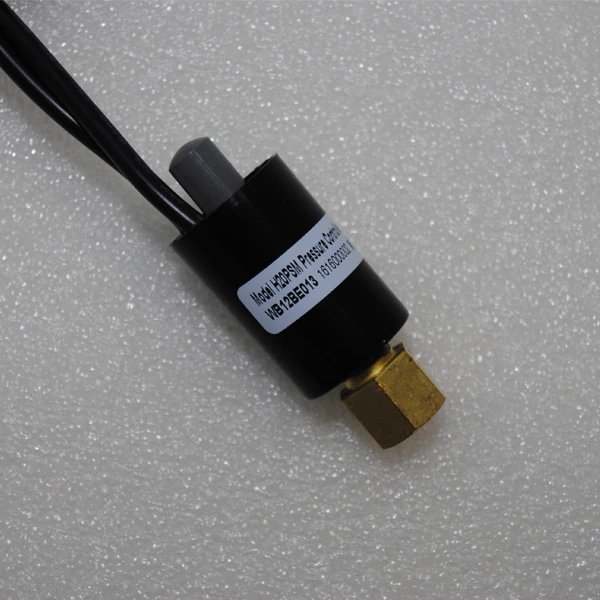

If you're in the market for pressure switches, I encourage you to reach out to us. We can provide you with detailed product information, technical support, and competitive pricing. Our team of experts is always ready to help you find the perfect pressure switch for your specific needs. So, don't hesitate to contact us for procurement and let's start a great business relationship!
References
- "Pressure Switch Handbook" - A comprehensive guide on pressure switch technology and materials.
- Manufacturer's specifications for various pressure switch components.
- Industry research reports on materials used in electrical and mechanical devices.


