


Gesture controls on touch screens have revolutionized the way we interact with electronic devices. They offer a more intuitive and efficient user experience, allowing users to perform various tasks with simple hand movements. As a touch screen supplier, we understand the importance of providing our customers with the flexibility to enable or disable these gesture controls according to their preferences. In this blog post, we will guide you through the process of enabling or disabling gesture controls on a touch screen and discuss the benefits of each option.
Understanding Gesture Controls
Before delving into the process of enabling or disabling gesture controls, it's essential to understand what they are. Gesture controls are a set of pre - defined hand movements recognized by a touch screen device. These gestures can include swiping, pinching, tapping, and long - pressing, among others. They are designed to perform specific functions such as scrolling through a page, zooming in or out, and accessing certain features on the device.
The implementation of gesture controls varies from one device to another and depends on the operating system (OS) and the touch screen technology used. Popular operating systems like Android and iOS have their own native gesture - control systems that are integrated into their user interfaces.

Enabling Gesture Controls
Android Devices
- Accessing Settings: On most Android devices, you can start by opening the "Settings" app. This is usually represented by a gear - shaped icon on the home screen or in the app drawer.
- Navigation Section: Once in the settings, look for the "System" or "Display" section. In this section, you should find an option related to "Navigation" or "Gesture Controls".
- Enable Gesture - based Navigation: Select the option to enable gesture - based navigation. There may be different gesture - control profiles available, such as full - screen gestures or a more traditional three - button navigation with gestures. Choose the one that suits your needs.
iOS Devices
- Settings App: Open the "Settings" app on your iPhone or iPad. It is a gray icon with gears.
- General and Gestures: Navigate to the "General" tab and then select "Gesture Controls" or "Navigation Gestures".
- Activate Gestures: Toggle the switch to activate the desired gestures. iOS offers a variety of gestures, including swiping up from the bottom of the screen to access the home screen or multitasking view.
Disabling Gesture Controls
Android Devices
- Settings Access: Similar to enabling, open the "Settings" app on your Android device.
- Reverting to Button Navigation: In the "Navigation" or "Gesture Controls" section, select the option to use button - based navigation. This will disable the gesture - based navigation and bring back the traditional navigation buttons at the bottom of the screen.
iOS Devices
- Settings and Gestures: Go to the "Settings" app and then to the "General" > "Gesture Controls" section.
- Disable Gestures: Toggle the relevant switches off to disable specific gestures or all gestures, reverting to the more traditional button - based interaction methods.
Benefits of Enabling Gesture Controls
- Enhanced User Experience: Gesture controls offer a more natural and intuitive way of interacting with a touch - screen device. For example, pinching your fingers together to zoom in on a photo is much more straightforward than using a button.
- Increased Efficiency: Gestures can save time by allowing users to perform multiple actions with a single motion. For instance, swiping left or right to quickly switch between apps.
- Space - Saving: In devices where screen real - estate is precious, gesture controls can reduce the need for physical buttons or on - screen navigation icons, providing a cleaner and more immersive display.
Benefits of Disabling Gesture Controls
- Familiarity: Some users may be more accustomed to the traditional button - based navigation. Disabling gestures can make the device more user - friendly for these individuals.
- Accidental Input Prevention: Gesture controls can sometimes lead to accidental inputs, especially if the device is in a pocket or being carried around. Disabling them can prevent these unwanted actions.
- Simplified Interaction: For users with limited dexterity or those who find the complexity of gestures overwhelming, a button - based interface can be a simpler option.
Our Touch Screen Offerings
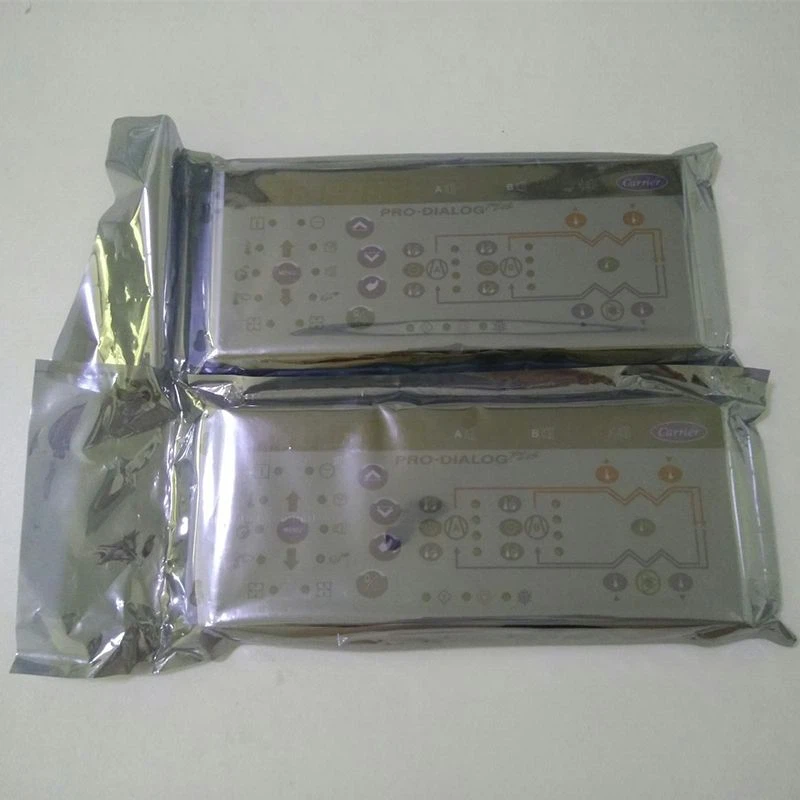
As a touch screen supplier, we offer a wide range of high - quality touch screens that support gesture controls. Our Carrier Touch Screen lineup provides excellent performance and reliability. For more specific needs, the Carrier TCarrier Touch Screen Oopsg001652200A and Carrier CEPL131228 - 01 - R - S 4.3 "PIC6 Touch Screen are designed to meet the diverse requirements of our customers. These touch screens are engineered with the latest technologies to ensure smooth and accurate gesture recognition.
Contact Us for Procurement
We understand that different customers have different needs when it comes to touch - screen applications. Whether you need to enable or disable gesture controls for your specific project, our team of experts is here to assist you. If you are interested in purchasing our touch screens or have any questions regarding gesture controls or other features, we encourage you to reach out to us. We can provide you with detailed product information, technical support, and competitive pricing. Start a conversation with us today to explore how our touch screens can enhance your electronic devices.
References
- Android Developers: Documentation on Android navigation and user interface.
- Apple Developer: Guides and documentation on iOS user interface and gesture controls.
- Industry research reports on touch - screen technology and user preferences.


