


Hey there! As a compressor oil supplier, I often get asked about the viscosity index of compressor oil. So, let's dig into what it is and why it matters.
First off, viscosity is a measure of a fluid's resistance to flow. Think of it like how thick or thin a liquid is. For example, honey has a high viscosity - it flows really slowly, while water has a low viscosity and flows easily. In the context of compressor oil, viscosity is super important because it affects how well the oil can lubricate the compressor's moving parts.
Now, the viscosity index (VI) is a number that indicates how much the viscosity of an oil changes with temperature. Oils with a high VI change less in viscosity as the temperature goes up or down. On the other hand, oils with a low VI have a more significant change in viscosity with temperature variations.
Let's say you have a compressor that operates in different temperature conditions. In the winter, it might be really cold outside, and in the summer, it could get scorching hot. If you use an oil with a low VI, it might become too thick in the cold, making it hard for the compressor to start up and causing extra wear on the parts. In the hot summer, that same oil could become too thin, losing its ability to form a proper lubricating film and leading to increased friction and potential damage.
But if you choose an oil with a high VI, it'll maintain a more consistent viscosity across a wide range of temperatures. This means better lubrication, less wear and tear on the compressor, and overall, a longer lifespan for your equipment.
For instance, Bitzer Oil B320SH is a great example of a compressor oil with a good viscosity index. It's designed to perform well in various temperature conditions, providing reliable lubrication for Bitzer compressors. Whether it's a cold morning or a sweltering afternoon, this oil will keep your compressor running smoothly.
Another option is Trane Oil OIL00022. This oil is formulated to have a high VI, ensuring that it can handle the temperature fluctuations that Trane compressors might encounter. It helps to reduce friction and heat generation, which is crucial for the efficient operation of the compressor.
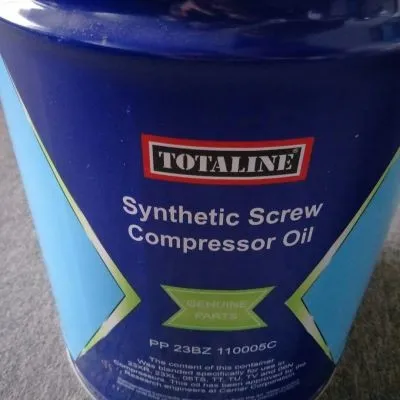
And then there's Carrier Compressor Oil PP23BZ110005C. With its excellent viscosity index, it can adapt to different temperature environments, making it a top choice for Carrier compressors. It provides a stable lubricating film, protecting the compressor's components from premature wear.
When you're choosing a compressor oil, it's not just about the viscosity index, though. You also need to consider other factors like the type of compressor you have (reciprocating, rotary, centrifugal, etc.), the operating conditions (pressure, temperature, humidity), and the manufacturer's recommendations.
For example, some compressors might require a synthetic oil because of their high - performance requirements. Synthetic oils generally have better viscosity - temperature characteristics and can offer superior protection compared to mineral oils. They also tend to have a longer service life, which can save you money in the long run.
The way the oil is refined also plays a role. High - quality refining processes can remove impurities and improve the oil's properties, including its viscosity index. So, when you're looking at different compressor oils, it's a good idea to ask about the refining methods used.
Now, let's talk about how the viscosity index is measured. There are standard test methods for this. One common method is the ASTM D2270. In this test, the viscosity of the oil is measured at two different temperatures (usually 40°C and 100°C). Based on these measurements, a VI number is calculated. The higher the number, the better the oil's viscosity stability with temperature changes.
It's also important to note that the viscosity index isn't the only thing that determines an oil's performance. The oil's additives also play a crucial role. Additives can enhance the oil's anti - wear properties, oxidation resistance, and foam control. For example, anti - wear additives form a protective layer on the metal surfaces, reducing friction and preventing direct metal - to - metal contact. Oxidation inhibitors help to prevent the oil from breaking down when exposed to oxygen and heat, which can extend the oil's service life.

As a compressor oil supplier, I've seen firsthand the difference that a high - quality oil with a good viscosity index can make. I've had customers who were struggling with compressor failures and excessive maintenance costs, and after switching to an oil with a better VI, they noticed a significant improvement. The compressors ran more smoothly, there were fewer breakdowns, and the overall operating costs went down.
So, if you're in the market for compressor oil, don't just focus on the price. Take the time to understand the viscosity index and other important properties of the oil. It's an investment in the long - term health and performance of your compressor.
If you have any questions about choosing the right compressor oil for your specific needs, or if you want to learn more about the viscosity index and how it affects your equipment, feel free to reach out. I'm here to help you make the best decision for your compressor. Whether you're running a small business or a large industrial operation, having the right oil can make all the difference.
In conclusion, the viscosity index of compressor oil is a key factor in ensuring the proper lubrication and efficient operation of your compressor. By choosing an oil with a high VI, you can protect your equipment from wear and tear, reduce maintenance costs, and improve its overall reliability. So, don't overlook this important aspect when you're selecting compressor oil.
If you're interested in discussing your compressor oil requirements further or want to start a procurement process, I'd be more than happy to have a chat. Let's work together to find the perfect oil for your compressors.
References
- ASTM D2270 - Standard Practice for Calculating Viscosity Index from Kinematic Viscosity at 40°C and 100°C
- Compressor Manufacturer's Manuals
- Industry Publications on Lubrication and Compressor Technology


