


As a supplier of oil level switches, I've had numerous conversations with clients who are curious about the various factors that can influence the performance of these critical components. One question that often comes up is whether there are any environmental factors that can affect an oil level switch. In this blog post, I'll delve into this topic, exploring the key environmental elements that can impact the functionality of oil level switches and how to mitigate their effects.
Temperature
Temperature is one of the most significant environmental factors that can influence the performance of an oil level switch. Extreme temperatures, whether hot or cold, can cause the oil to expand or contract, altering its density and viscosity. This change in physical properties can lead to inaccurate readings from the oil level switch, as it relies on the oil's level and characteristics to function properly.
In high-temperature environments, the oil may expand, causing the switch to indicate a higher oil level than is actually present. This can lead to false alarms or incorrect maintenance schedules, potentially resulting in equipment damage or failure. On the other hand, in cold temperatures, the oil may thicken and contract, causing the switch to indicate a lower oil level. This can also lead to unnecessary maintenance or even system shutdowns.

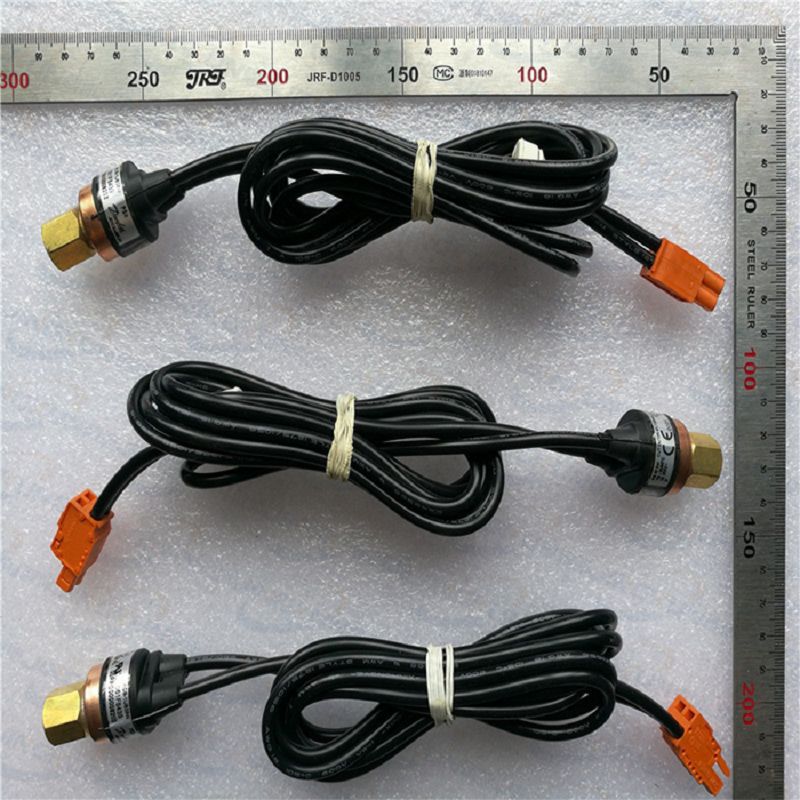
To mitigate the effects of temperature on oil level switches, it's essential to choose switches that are designed to operate within the specific temperature range of the application. Additionally, installing temperature compensation devices or using oil with a wider temperature range can help ensure accurate readings.
Humidity
Humidity can also have a significant impact on the performance of oil level switches. High humidity levels can cause moisture to accumulate inside the switch, leading to corrosion and electrical shorts. This can not only affect the accuracy of the switch but also reduce its lifespan.
In addition to corrosion, humidity can also cause the oil to absorb moisture, which can alter its properties and affect the switch's performance. Moisture in the oil can lead to oxidation, foaming, and reduced lubrication, all of which can cause damage to the equipment and affect the switch's ability to function correctly.
To prevent the effects of humidity on oil level switches, it's important to choose switches that are designed to be moisture-resistant. This may include switches with sealed enclosures or coatings that protect against moisture ingress. Additionally, installing desiccant packs or moisture sensors in the switch housing can help monitor and control humidity levels.
Vibration and Shock
Vibration and shock are common environmental factors in many industrial applications, and they can have a significant impact on the performance of oil level switches. Excessive vibration can cause the switch to move or shake, leading to inaccurate readings or even damage to the switch components.
Shock, such as that caused by sudden starts or stops, can also cause the switch to malfunction. The impact can cause the switch to trip prematurely or fail to operate when needed, potentially leading to equipment damage or safety hazards.
To minimize the effects of vibration and shock on oil level switches, it's important to choose switches that are designed to be vibration and shock-resistant. This may include switches with rugged enclosures, shock-absorbing mounts, or anti-vibration features. Additionally, installing the switch in a location that is less prone to vibration and shock can help reduce the risk of damage.
Chemical Exposure
Oil level switches are often exposed to a variety of chemicals in industrial applications, and these chemicals can have a significant impact on the switch's performance. Chemical exposure can cause corrosion, degradation, or swelling of the switch components, leading to inaccurate readings or even failure.
Some common chemicals that can affect oil level switches include acids, alkalis, solvents, and lubricants. These chemicals can react with the switch materials, causing them to break down or lose their functionality.
To protect oil level switches from chemical exposure, it's important to choose switches that are made from materials that are resistant to the specific chemicals in the application. This may include switches with chemical-resistant coatings, seals, or housings. Additionally, installing the switch in a location that is less exposed to chemicals or using protective barriers can help reduce the risk of damage.
Magnetic Fields
Magnetic fields can also have an impact on the performance of oil level switches, particularly those that use magnetic sensors. Magnetic fields can interfere with the sensor's ability to detect the oil level, leading to inaccurate readings or even false alarms.
Sources of magnetic fields in industrial applications can include motors, transformers, and power lines. These magnetic fields can be strong enough to affect the performance of the switch, especially if the switch is located in close proximity to the source.
To minimize the effects of magnetic fields on oil level switches, it's important to choose switches that are designed to be immune to magnetic interference. This may include switches with shielded sensors or magnetic-resistant materials. Additionally, installing the switch in a location that is less exposed to magnetic fields or using magnetic shielding can help reduce the risk of interference.
Conclusion
In conclusion, there are several environmental factors that can affect the performance of oil level switches, including temperature, humidity, vibration, shock, chemical exposure, and magnetic fields. As a supplier of oil level switches, it's important to understand these factors and provide our customers with switches that are designed to withstand the specific environmental conditions of their applications.
By choosing the right oil level switch and taking appropriate measures to mitigate the effects of environmental factors, you can ensure accurate and reliable operation of your equipment, reduce maintenance costs, and extend the lifespan of your oil level switches.
If you're interested in learning more about our oil level switches or have any questions about how environmental factors can affect their performance, please don't hesitate to [contact us for a detailed discussion and procurement negotiation]. We're here to help you find the best solution for your needs.
References
- "Industrial Instrumentation and Control Handbook" by Bela Liptak
- "Environmental Factors Affecting Electronic Components" by IEEE
- "Oil Level Switch Design and Application Guide" by Manufacturer's Manual


