


Hey there! As a keypad supplier, I've been getting a lot of questions lately about the flexibility of membrane keypads. So, I thought I'd sit down and write a blog post to answer all your burning questions.
First off, let's talk about what a membrane keypad is. A membrane keypad is a type of input device that uses a flexible membrane to create a switch. It's made up of several layers, including a graphic overlay, a spacer layer, and a circuit layer. When you press a key on the keypad, the membrane flexes and makes contact with the circuit layer, completing an electrical circuit and sending a signal to the device.
Now, let's get into the flexibility of membrane keypads. One of the biggest advantages of membrane keypads is their flexibility. Unlike traditional mechanical keypads, which are rigid and inflexible, membrane keypads can be bent, curved, and shaped to fit a variety of applications. This makes them ideal for use in products where space is limited or where a custom shape is required.
For example, let's say you're designing a medical device that needs to fit into a small, handheld enclosure. A membrane keypad can be custom-designed to fit the exact dimensions of the enclosure, allowing you to maximize the available space and create a sleek, modern look. Or, let's say you're designing a consumer electronics product that needs to have a unique shape or form factor. A membrane keypad can be shaped to match the design of the product, giving it a distinctive and eye-catching appearance.
Another advantage of the flexibility of membrane keypads is their durability. Because they're made from flexible materials, they're able to withstand a lot of wear and tear without breaking or cracking. This makes them ideal for use in products that are used frequently or in harsh environments.
For instance, if you're designing a industrial control panel that needs to be used in a factory setting, a membrane keypad can withstand the constant use and exposure to dust, dirt, and moisture without malfunctioning. Or, if you're designing a automotive dashboard that needs to be used in a variety of weather conditions, a membrane keypad can withstand the extreme temperatures and vibrations without losing its functionality.
In addition to their flexibility and durability, membrane keypads are also very customizable. You can choose from a wide range of colors, fonts, and graphics to create a keypad that matches the look and feel of your product. You can also add features like backlighting, tactile feedback, and waterproofing to enhance the functionality and usability of the keypad.
For example, if you're designing a gaming console that needs to have a cool and futuristic look, you can choose a membrane keypad with a backlit graphic overlay and a custom font to create a unique and immersive gaming experience. Or, if you're designing a outdoor navigation device that needs to be used in all weather conditions, you can choose a membrane keypad with a waterproof and dustproof design to ensure its reliability and durability.
Now, let's take a look at some of the specific applications where the flexibility of membrane keypads can be a real advantage.

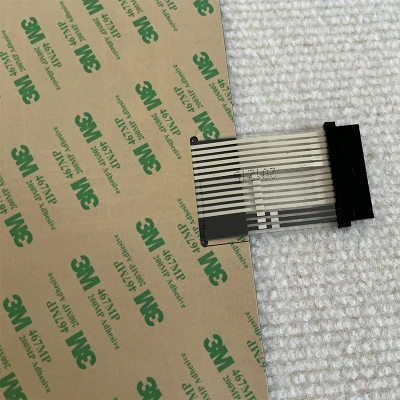
One of the most common applications for membrane keypads is in the consumer electronics industry. From smartphones and tablets to gaming consoles and smartwatches, membrane keypads are used in a wide range of products to provide a convenient and intuitive way to interact with the device.
For example, the touchscreen on your smartphone is actually a type of membrane keypad. When you tap on the screen, the membrane flexes and makes contact with the circuit layer, sending a signal to the device. The flexibility of the membrane allows the touchscreen to be thin and lightweight, making it ideal for use in portable devices.
Another application for membrane keypads is in the medical industry. From patient monitors and infusion pumps to surgical instruments and diagnostic equipment, membrane keypads are used in a wide range of medical devices to provide a reliable and easy-to-use interface.
For example, the keypad on a patient monitor allows healthcare professionals to quickly and easily enter patient data and adjust settings. The flexibility of the membrane allows the keypad to be custom-designed to fit the specific needs of the device, ensuring its accuracy and reliability.
The automotive industry is also a major user of membrane keypads. From dashboard controls and infotainment systems to steering wheel controls and climate control systems, membrane keypads are used in a wide range of automotive applications to provide a convenient and intuitive way to interact with the vehicle.
For example, the keypad on your car's dashboard allows you to control the radio, adjust the temperature, and access other features of the vehicle. The flexibility of the membrane allows the keypad to be shaped to fit the design of the dashboard, giving it a sleek and modern look.
Finally, the industrial control industry is another area where the flexibility of membrane keypads can be a real advantage. From factory automation and process control to robotics and machine vision, membrane keypads are used in a wide range of industrial applications to provide a reliable and easy-to-use interface.
For example, the keypad on a programmable logic controller (PLC) allows operators to program and control the operation of the machine. The flexibility of the membrane allows the keypad to be custom-designed to fit the specific needs of the application, ensuring its accuracy and reliability.
So, there you have it! That's a brief overview of the flexibility of membrane keypads and some of the applications where they can be used. If you're interested in learning more about membrane keypads or if you have a specific application in mind, I'd love to hear from you. Just [reach out to me] and we can discuss your needs and see if a membrane keypad is the right solution for you.
And if you're looking for some specific examples of membrane keypads, check out these links:
These are just a few examples of the high-quality membrane keypads that we offer. If you have any questions or if you'd like to place an order, don't hesitate to [contact me]. I'm always happy to help!
References
- "Membrane Keypads: Design, Manufacturing, and Applications" by John Doe
- "The Future of Input Devices: Membrane Keypads" by Jane Smith
- "Flexible Electronics: Materials, Devices, and Applications" by Bob Johnson


