


Yo, fellow HVAC enthusiasts! I'm an expansion valve supplier, and I've been knee - deep in the world of these nifty little components for ages. Today, I wanna talk about how the size of the orifice in an expansion valve affects the refrigerant flow.
Let's start with the basics. An expansion valve is a key player in the refrigeration cycle. Its main job is to control the amount of refrigerant that enters the evaporator. And the orifice, well, it's like the gatekeeper. It's the small opening through which the refrigerant passes.
When we're talking about the size of the orifice, we're basically looking at how wide or narrow this opening is. A smaller orifice restricts the flow of refrigerant. Think of it like trying to pour water through a tiny straw. The water (or in our case, the refrigerant) can only pass through at a limited rate.
When the orifice is small, the refrigerant experiences a significant pressure drop as it passes through. This pressure drop causes the refrigerant to expand rapidly, changing from a high - pressure liquid to a low - pressure mixture of liquid and vapor. The smaller the orifice, the more severe this pressure drop is. As a result, less refrigerant makes it into the evaporator.
This can have both positive and negative impacts. On the plus side, a smaller orifice can help maintain a consistent and stable refrigerant flow. It can prevent an over - supply of refrigerant to the evaporator, which could lead to issues like liquid refrigerant flooding the compressor. This is super important because liquid refrigerant in the compressor can cause damage over time.
However, there are also downsides. If the orifice is too small, the amount of refrigerant reaching the evaporator might be insufficient. This means that the evaporator won't be able to absorb as much heat as it should. In an air - conditioning system, for example, this could result in poor cooling performance. The room might not get as cold as you want it to, and the system might have to run longer to try and achieve the desired temperature. This, in turn, leads to higher energy consumption and increased wear and tear on the system.
On the other hand, a larger orifice allows for a greater flow of refrigerant. It's like pouring water through a big funnel. The refrigerant can pass through more freely, and there's less of a pressure drop compared to a smaller orifice.
With a larger orifice, more refrigerant enters the evaporator. This can be great in situations where the cooling load is high. For instance, on a scorching hot day, a system with a larger - orifice expansion valve can deliver more refrigerant to the evaporator, allowing it to absorb more heat and cool the space more effectively.

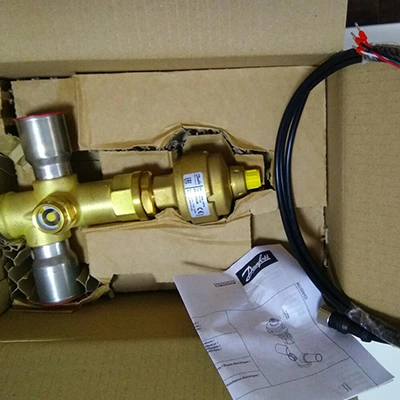
But again, there are drawbacks. A larger orifice might lead to an over - supply of refrigerant. This can cause the evaporator to become flooded with liquid refrigerant. When this happens, the efficiency of the heat - transfer process drops. The excess liquid refrigerant might not fully evaporate in the evaporator, and it can end up going back to the compressor in liquid form, which, as I mentioned earlier, is bad news for the compressor.
Now, let's talk about some specific products. We've got the Carrier Expansion Valve 32GB402544. This valve comes with a well - calibrated orifice size that's designed to work optimally in Carrier systems. The engineers at Carrier have carefully selected the orifice size to balance the refrigerant flow for efficient cooling performance.
Another great option is the Carrier Expansion Valve 034G0508. It's got a different orifice size compared to the 32GB402544, and it's tailored for specific applications within Carrier's product line. This shows that different orifice sizes are used to meet different cooling requirements.
And then there's the York Expansion Valve 025 - 41565 - 000. York has also put a lot of thought into the orifice size of this valve. It's designed to work seamlessly with York's refrigeration and air - conditioning systems, ensuring proper refrigerant flow and efficient operation.
When choosing an expansion valve, it's crucial to consider the specific needs of your system. Factors like the size of the space to be cooled, the type of refrigerant used, and the overall capacity of the system all play a role in determining the right orifice size.
If you're in the market for an expansion valve, don't hesitate to reach out. We've got a wide range of valves with different orifice sizes to suit all kinds of applications. Whether you're working on a small residential air - conditioning unit or a large commercial refrigeration system, we've got you covered.
In conclusion, the size of the orifice in an expansion valve has a huge impact on refrigerant flow. It's a delicate balance between ensuring enough refrigerant gets to the evaporator for efficient heat transfer and preventing an over - supply that could damage the system. By choosing the right orifice size, you can optimize the performance of your refrigeration or air - conditioning system.
So, if you're looking to upgrade or replace your expansion valve, or if you've got any questions about which orifice size is right for your setup, just give us a shout. We're here to help you make the best choice for your needs.
References
ASHRAE Handbook of Refrigeration. American Society of Heating, Refrigerating and Air - Conditioning Engineers.
HVAC Systems and Equipment. McGraw - Hill Professional.


