


Can I use motor oil instead of compressor oil? This is a question that often comes up among those who are looking to cut costs or simply make do with what they have on hand. As a compressor oil supplier, I'm here to shed some light on this topic and provide you with the information you need to make an informed decision.
Understanding the Basics: Motor Oil vs. Compressor Oil
First, let's understand the fundamental differences between motor oil and compressor oil. Motor oil is designed primarily for internal combustion engines. Its main functions include lubricating engine parts, reducing friction, cooling the engine, and preventing corrosion. It has additives that are optimized for the high - temperature, high - pressure environment inside an engine, where there are also combustion by - products like soot and acids.
On the other hand, compressor oil is formulated specifically for the unique requirements of compressors. Compressors operate under different conditions compared to engines. They often have to deal with high pressures, high temperatures, and the presence of refrigerant gases. Compressor oil needs to have excellent lubricating properties to reduce wear on compressor components such as pistons, cylinders, and bearings. It also has to be compatible with the refrigerant used in the system and have good thermal and chemical stability.
Performance and Efficiency
If you use motor oil instead of compressor oil, you may encounter several performance and efficiency issues. Compressor oil is engineered to provide a thin, protective film on the moving parts of the compressor. This film reduces friction and wear, which in turn improves the overall efficiency of the compressor. Motor oil may not form as effective a lubricating film under the specific conditions of a compressor, leading to increased friction. This can cause the compressor to work harder, consuming more energy and potentially leading to premature wear and tear.
For example, in a refrigeration compressor, the compressor oil needs to be able to mix well with the refrigerant. Motor oil may not be miscible with the refrigerant, which can lead to poor heat transfer and reduced cooling capacity. This can result in the compressor running longer to achieve the desired temperature, increasing energy consumption and operating costs.
Compatibility with Refrigerants
One of the most critical factors in compressor operation is the compatibility between the oil and the refrigerant. Different refrigerants have different chemical properties, and compressor oils are formulated to be compatible with specific types of refrigerants. Motor oil is not designed with this compatibility in mind.
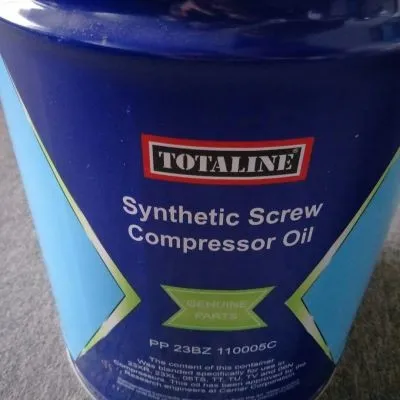
Using motor oil in a compressor system can cause chemical reactions between the oil and the refrigerant. These reactions can form sludge and varnish, which can clog the compressor's internal passages, filters, and expansion valves. This can lead to reduced flow rates, poor system performance, and ultimately, compressor failure. For instance, in systems using R - 410A refrigerant, the Carrier Compressor Oil PP23BZ110005C is specifically formulated to be compatible with this refrigerant. Using motor oil instead could disrupt the delicate balance of the system.
Long - Term Durability
Compressor oil is formulated to have a long service life under the harsh conditions of compressor operation. It has additives that resist oxidation and thermal breakdown, ensuring that the oil maintains its properties over time. Motor oil, however, is not designed to withstand the same conditions for an extended period.

Over time, motor oil in a compressor can break down more quickly, forming acidic by - products. These acids can corrode the compressor's internal components, such as the metal surfaces of the cylinders and pistons. This corrosion can lead to leaks, reduced compression efficiency, and eventually, complete compressor failure. In contrast, high - quality compressor oils like Bitzer Oil B320SH are designed to provide long - term protection and durability for compressors.
Safety Concerns
Using motor oil instead of compressor oil can also pose safety risks. Compressors operate under high pressures, and any malfunction due to improper lubrication can lead to dangerous situations. For example, if the compressor overheats because of poor lubrication, it can cause the refrigerant to break down, releasing potentially harmful gases. Additionally, the formation of sludge and varnish can increase the risk of a compressor seizure, which can lead to sudden system failures and even fires in extreme cases.
Industry Standards and Warranties
Most compressor manufacturers specify the use of specific types of compressor oils in their equipment. Using motor oil instead of the recommended compressor oil can void the manufacturer's warranty. This means that if your compressor fails, you will not be covered for repairs or replacement, which can be a significant financial burden.
The Right Choice: Compressor Oil
As a compressor oil supplier, I can attest to the importance of using the right type of oil for your compressor. There are many high - quality compressor oils available on the market, each designed to meet the specific needs of different types of compressors and refrigerants.
For example, Bitzer Oil is a well - known brand in the industry. Their oils are formulated to provide excellent lubrication, compatibility with refrigerants, and long - term durability. Whether you have a small residential compressor or a large industrial one, choosing the right compressor oil is essential for optimal performance, efficiency, and longevity.
Conclusion
In conclusion, using motor oil instead of compressor oil is not a good idea. It can lead to a range of problems, including reduced performance, efficiency issues, compatibility problems, safety risks, and voided warranties. As a compressor oil supplier, I strongly recommend that you use the appropriate compressor oil for your system.
If you are unsure about which compressor oil is right for your equipment, feel free to reach out to us. We have a team of experts who can help you select the best oil based on your compressor's make, model, and the refrigerant used. Contact us today to start a discussion about your compressor oil needs and ensure the smooth and efficient operation of your compressor system.
References
- ASHRAE Handbook - Refrigeration. American Society of Heating, Refrigerating and Air - Conditioning Engineers.
- Compressor Manufacturer's Technical Manuals. Various compressor manufacturers.
- "Lubrication in Compressor Systems" - Journal of Compressor Technology.


