


As a trusted supplier of York Flow Switches, I understand the importance of having the right tools for a successful installation. In this blog post, I'll walk you through the essential tools needed to install a York Flow Switch, ensuring a smooth and efficient process.
1. Measuring Tools
- Tape Measure: A reliable tape measure is crucial for accurately determining the dimensions of the installation site. You need to measure the pipe diameter, the available space for the flow switch, and the distance between connection points. This ensures that the York Flow Switch fits perfectly and functions optimally. For example, if the pipe diameter is not measured correctly, the flow switch may not be able to accurately detect the flow rate, leading to inaccurate readings and potential system failures.
- Caliper: A caliper provides more precise measurements, especially when dealing with small components or tight spaces. It can be used to measure the thickness of pipes, the size of fittings, and the clearances around the installation area. This level of precision is essential for ensuring a proper fit and preventing leaks or other issues.
2. Pipe Cutting and Preparation Tools
- Pipe Cutter: Depending on the type of pipe material (such as copper, PVC, or steel), you'll need an appropriate pipe cutter. A pipe cutter allows you to make clean, straight cuts in the pipe, ensuring a proper fit for the flow switch connections. For copper pipes, a manual pipe cutter with sharp blades is often sufficient. For PVC pipes, a specialized PVC pipe cutter can make quick and easy cuts.
- Deburring Tool: After cutting the pipe, it's important to remove any burrs or rough edges using a deburring tool. Burrs can interfere with the proper installation of the flow switch and may cause leaks. A deburring tool smooths the inside and outside edges of the pipe, creating a clean surface for the connection.
- Pipe Reamer: In some cases, you may need to ream the inside of the pipe to ensure a proper fit for the flow switch. A pipe reamer enlarges the opening of the pipe slightly, allowing for easy insertion of the flow switch connections. This is especially important for pipes with tight tolerances.
3. Fitting and Connection Tools
- Wrenches: A set of wrenches is essential for tightening and loosening nuts and bolts during the installation process. Different sizes of wrenches may be required depending on the type of fittings used. Adjustable wrenches are versatile and can be used for a variety of sizes, while socket wrenches provide more torque and are ideal for larger nuts and bolts.
- Pipe Thread Sealant: To prevent leaks at the pipe connections, you'll need a high-quality pipe thread sealant. This sealant is applied to the threads of the pipe fittings before installation, creating a watertight seal. There are different types of pipe thread sealants available, such as Teflon tape or pipe dope. Choose the one that is appropriate for the type of pipe material and the application.
- Soldering Equipment (for Copper Pipes): If you're working with copper pipes, soldering equipment is necessary to make permanent connections. This includes a soldering torch, solder, and flux. Soldering creates a strong, leak-proof joint between the pipe and the flow switch connections. It's important to follow proper soldering techniques to ensure a high-quality joint.
4. Testing and Calibration Tools
- Pressure Gauge: A pressure gauge is used to measure the pressure in the system before and after installing the flow switch. This helps ensure that the system is operating within the recommended pressure range and that the flow switch is functioning correctly. A pressure gauge can also be used to detect any leaks or blockages in the system.
- Flow Meter (Optional): While not always necessary, a flow meter can be used to verify the flow rate in the system. This can be helpful for calibrating the flow switch and ensuring that it is set to the correct flow rate. A flow meter provides accurate measurements of the fluid flow, allowing you to make any necessary adjustments to the flow switch settings.
- Multimeter: A multimeter is a versatile tool that can be used to test the electrical connections of the flow switch. It can measure voltage, current, and resistance, helping you ensure that the electrical components are functioning properly. This is especially important for flow switches that are electrically operated.
5. Safety Tools
- Safety Glasses: Safety glasses protect your eyes from debris and particles during the installation process. When cutting pipes, using power tools, or working in tight spaces, there is a risk of flying debris. Safety glasses provide a barrier between your eyes and potential hazards.
- Gloves: Gloves protect your hands from cuts, burns, and chemical exposure. Depending on the type of work you're doing, you may need different types of gloves. For example, leather gloves are suitable for handling tools, while chemical-resistant gloves are necessary when working with pipe thread sealant or other chemicals.
- Ear Protection: If you're using power tools, such as a pipe cutter or a soldering torch, ear protection is essential. Power tools can produce loud noise levels that can damage your hearing over time. Earplugs or earmuffs provide protection against these high noise levels.
Additional Considerations
- Documentation and Manuals: Always refer to the installation manual provided by York for specific instructions and guidelines. The manual will provide detailed information on the installation process, including the recommended tools and procedures. It's important to follow these instructions carefully to ensure a proper installation and to avoid voiding the warranty.
- Training and Experience: If you're not familiar with installing flow switches, it's recommended to seek training or consult with an experienced professional. Installing a flow switch requires a certain level of technical knowledge and skill. An experienced professional can provide guidance and ensure that the installation is done correctly.
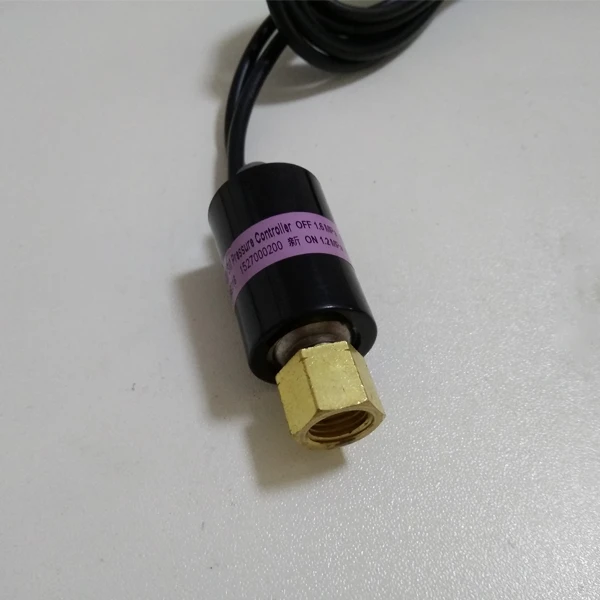
In addition to the York Flow Switch, we also offer a range of related products, such as the Carrier W12BE016 Pressure Switch, Carrier 00ppy000012000 High Voltage-switch, and Carrier HK02ZA439 Pressure Switch. These products are designed to work together to provide a comprehensive solution for your fluid control needs.

If you're interested in purchasing a York Flow Switch or any of our other products, or if you have any questions about the installation process, please don't hesitate to contact us. We're here to help you find the right solutions for your specific requirements and to ensure a successful installation.
References
- York Flow Switch Installation Manual
- Plumbing and Electrical Installation Guides


