


As a trusted supplier of expansion valves, I've had numerous inquiries about the normal operating temperature range of these critical components. Expansion valves play a pivotal role in refrigeration and air - conditioning systems, regulating the flow of refrigerant into the evaporator. Understanding their normal operating temperature range is essential for ensuring the efficiency, reliability, and longevity of the entire system.
The Function of an Expansion Valve
Before diving into the temperature range, it's important to briefly understand what an expansion valve does. In a refrigeration or air - conditioning system, the expansion valve is responsible for reducing the pressure of the refrigerant coming from the condenser. This pressure reduction causes the refrigerant to expand and evaporate, absorbing heat from the surrounding environment in the evaporator. As a result, the cooling effect is achieved.
Factors Affecting the Operating Temperature Range
Several factors influence the normal operating temperature range of an expansion valve. The type of refrigerant used is a primary factor. Different refrigerants have different thermodynamic properties, which means they will evaporate and condense at different temperatures. For example, R - 22, which was widely used in the past, has different temperature - pressure characteristics compared to the more environmentally friendly R - 410A.
The design of the expansion valve also matters. There are different types of expansion valves, such as thermostatic expansion valves (TXV) and electronic expansion valves (EEV). TXVs rely on a sensing bulb to detect the superheat of the refrigerant leaving the evaporator, while EEVs use electronic sensors and controllers. These differences in design can lead to variations in the operating temperature range.
The load on the system is another significant factor. A higher cooling load means more heat needs to be removed, which can cause the refrigerant to operate at different temperatures. For instance, in a large commercial refrigeration system during peak summer days, the operating conditions will be more demanding compared to a small residential air - conditioning unit on a mild day.
General Temperature Range for Different Systems
Residential Air - Conditioning Systems
In most residential air - conditioning systems, the normal operating temperature range of the expansion valve is closely related to the temperature of the indoor and outdoor environments. The evaporator temperature typically ranges from 35°F to 55°F (1.7°C to 12.8°C). The expansion valve needs to maintain the right amount of refrigerant flow to ensure that the evaporator operates within this temperature range. If the temperature is too low, there is a risk of ice formation on the evaporator coils, which can reduce the system's efficiency. On the other hand, if the temperature is too high, the cooling capacity will be insufficient.
Commercial Refrigeration Systems
Commercial refrigeration systems, such as those used in supermarkets or cold storage facilities, have different requirements. These systems often need to maintain much lower temperatures. The evaporator temperature in a commercial freezer can range from - 20°F to 10°F (- 28.9°C to - 12.2°C). The expansion valve in such systems must be carefully calibrated to handle the low - temperature operation and the large volume of refrigerant flow required to maintain these cold temperatures.
Industrial Cooling Systems
Industrial cooling systems are the most complex and can have a wide range of operating temperatures depending on the specific application. For example, in some chemical processing plants, the refrigerant may need to operate at extremely low temperatures to cool down chemical reactions. In other industrial settings, such as data centers, the focus is on maintaining a stable temperature to protect sensitive equipment. The operating temperature range of the expansion valve in industrial systems can vary from - 40°F to 60°F (- 40°C to 15.6°C) or even wider, depending on the specific requirements of the process.
Importance of Maintaining the Right Temperature Range
Maintaining the normal operating temperature range of the expansion valve is crucial for several reasons. Firstly, it ensures the optimal performance of the refrigeration or air - conditioning system. When the expansion valve operates within the correct temperature range, the refrigerant can effectively absorb and release heat, providing the desired cooling effect.
Secondly, it helps to prevent premature wear and tear of the system components. If the expansion valve is operating outside of its normal temperature range, it can cause excessive stress on the valve itself, as well as on other parts of the system, such as the compressor. This can lead to increased maintenance costs and a shorter lifespan for the equipment.

Finally, it is essential for energy efficiency. An expansion valve operating at the right temperature allows the system to use energy more effectively. For example, if the evaporator temperature is too high, the compressor will have to work harder to achieve the desired cooling, resulting in higher energy consumption.
Our Product Offerings
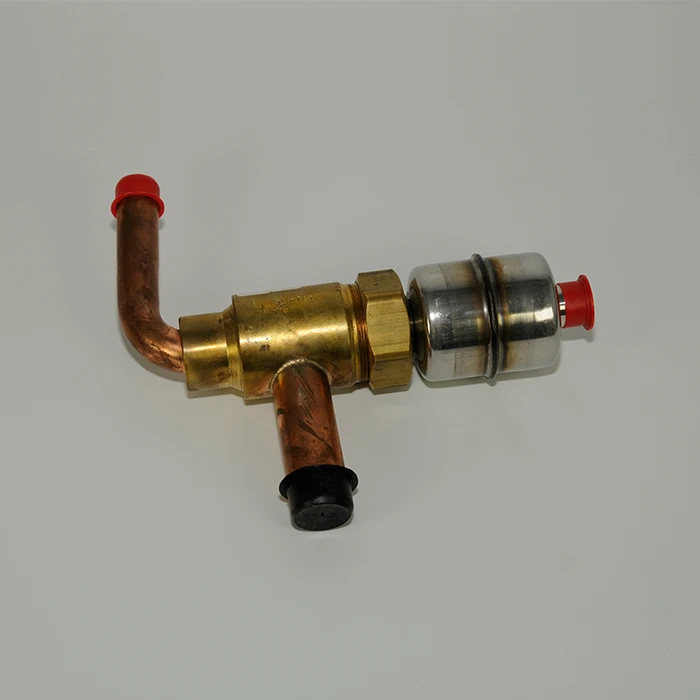
As an expansion valve supplier, we offer a wide range of high - quality expansion valves suitable for different applications. We have Carrier Expansion Valve 32GB402544, which is designed to meet the strict requirements of Carrier systems. This valve is engineered to provide precise control of the refrigerant flow, ensuring optimal performance within the normal operating temperature range.
Our Trane Expansion Valve is another excellent option for Trane - based systems. It is built with high - quality materials and advanced technology to withstand the rigors of continuous operation and maintain the correct temperature range.
For those looking for a cost - effective yet reliable solution, our Fenshen Expansion Valve is a great choice. It offers good performance and durability, making it suitable for a variety of refrigeration and air - conditioning applications.
Conclusion
In conclusion, understanding the normal operating temperature range of an expansion valve is essential for the proper functioning of refrigeration and air - conditioning systems. The range can vary depending on factors such as the type of refrigerant, valve design, and system load. By choosing the right expansion valve and ensuring it operates within the correct temperature range, you can improve the efficiency, reliability, and lifespan of your system.
If you are in the market for high - quality expansion valves or have any questions about their operating temperature ranges, we are here to help. Contact us for more information and to start a procurement discussion. We look forward to working with you to meet your expansion valve needs.
References
ASHRAE Handbook - Refrigeration. American Society of Heating, Refrigerating and Air - Conditioning Engineers.
Dossat, R. J. (1997). Principles of Refrigeration. Prentice - Hall.


