


As a seasoned supplier of logic boards, I've witnessed firsthand the far - reaching impact of dust on these critical components. Logic boards are the heart and soul of countless electronic devices, from industrial machinery to home appliances. They are responsible for coordinating and controlling all the functions of a device, and any disruption to their operation can lead to significant problems. In this blog, I'll delve into the various ways dust can affect a logic board and why it's crucial to take preventive measures.
Physical Obstruction and Short - Circuits
One of the most immediate and visible impacts of dust on a logic board is physical obstruction. Dust particles can accumulate on the surface of the board, covering the delicate components and traces. Over time, this layer of dust can build up to a thickness that physically blocks the flow of air, which is essential for cooling the board.
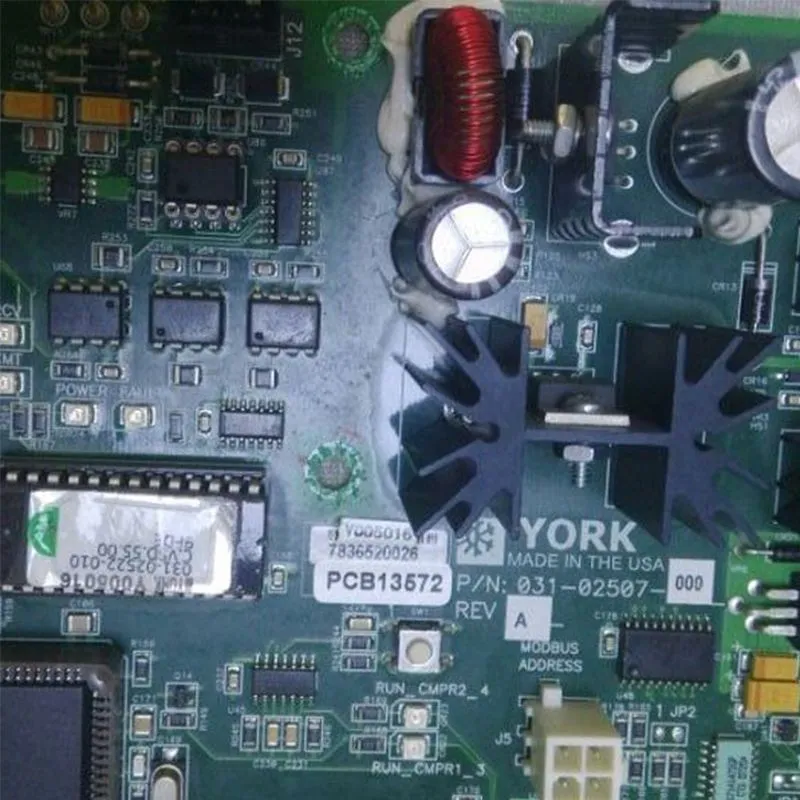

Logic boards generate heat during operation, and proper cooling is vital to maintain their performance and longevity. When dust restricts airflow, the temperature of the board rises. High temperatures can cause the electrical components on the board to malfunction or even fail prematurely. For example, excessive heat can cause solder joints to weaken, leading to intermittent connections or complete circuit failures.
Moreover, dust can act as a conductor in certain conditions. If the dust contains conductive materials such as metal particles, it can create a bridge between different electrical components on the board. This can result in short - circuits, where electricity flows through an unintended path. Short - circuits can cause irreversible damage to the logic board, rendering it useless. For instance, a short - circuit can blow fuses, damage integrated circuits, or even start a fire in extreme cases.
Corrosion and Oxidation
Dust often contains moisture and various chemical substances. When these particles settle on a logic board, they can react with the metal components on the board, leading to corrosion and oxidation. Corrosion is a chemical process that gradually eats away at the metal, weakening the electrical connections and reducing the conductivity of the components.
Oxidation, on the other hand, forms a layer of oxide on the surface of the metal. This oxide layer can increase the resistance of the electrical connections, which in turn can cause voltage drops and signal degradation. For example, if the oxidation occurs on the pins of a microcontroller, it can disrupt the communication between the microcontroller and other components on the board, leading to erratic behavior or system crashes.
The presence of dust can also trap moisture on the board. Moisture is a catalyst for corrosion and oxidation, and it can accelerate the degradation process. In humid environments, the combination of dust and moisture can be particularly damaging to logic boards. Even in relatively dry environments, the small amount of moisture that dust can carry can still pose a significant risk over time.
Impact on Signal Integrity
Logic boards rely on precise electrical signals to function correctly. Dust can interfere with these signals in several ways. Firstly, as mentioned earlier, the accumulation of dust can cause temperature variations on the board. Temperature changes can affect the electrical properties of the components, such as their resistance and capacitance. These changes can distort the electrical signals, leading to errors in data transmission and processing.
Secondly, dust particles can absorb and scatter electromagnetic radiation. Logic boards emit and receive electromagnetic signals during operation, and any interference can disrupt the normal functioning of the board. For example, if the dust interferes with the radio frequency signals in a wireless communication module on the logic board, it can cause poor signal strength, dropped connections, or data loss.
Case Studies
Let's take a look at some real - world examples to illustrate the impact of dust on logic boards. Consider the York 031 - 02430 - 001 Main Board. This main board is used in industrial cooling systems. In a factory environment where there is a lot of dust and debris, the board is at a high risk of dust accumulation. Over time, the dust can cover the heat sinks on the board, reducing their cooling efficiency. This can lead to overheating of the components, such as the power transistors, which can eventually fail.
Another example is the Carrier Integrated Starter Module ISM CEPL130259 - 07 - R 19XR04012203. This module is used in HVAC systems. In a commercial building with a large amount of dust in the air, the dust can settle on the printed circuit board of the module. The conductive dust can cause short - circuits between the traces, leading to the failure of the starter module. This can result in the HVAC system not starting or malfunctioning, causing discomfort to the occupants of the building.
The York Logic Board is also susceptible to dust damage. In a residential environment, dust from daily activities such as cleaning and vacuuming can accumulate on the board. The dust can cause corrosion on the connectors, leading to poor electrical connections and intermittent failures of the device that the logic board controls.
Preventive Measures
To mitigate the impact of dust on logic boards, several preventive measures can be taken. Firstly, proper enclosure design is crucial. Logic boards should be housed in enclosures that are dust - tight as much as possible. This can prevent dust from entering the enclosure and settling on the board. Filters can also be installed in the ventilation openings of the enclosure to trap dust particles before they reach the board.
Secondly, regular maintenance is essential. This includes cleaning the logic boards periodically. However, cleaning should be done carefully to avoid damaging the components. Specialized cleaning tools and techniques, such as compressed air and anti - static brushes, can be used to remove dust from the board.
Finally, the environment in which the logic boards are used should be controlled. This can involve using air purifiers to reduce the amount of dust in the air, and maintaining a stable temperature and humidity level.
Conclusion
In conclusion, dust can have a significant impact on logic boards. It can cause physical obstruction, short - circuits, corrosion, oxidation, and signal integrity issues. These problems can lead to malfunction, reduced performance, and premature failure of the logic boards. As a logic board supplier, I understand the importance of providing high - quality products that are resistant to dust damage. We also offer advice on how to protect and maintain logic boards to ensure their long - term reliability.
If you are in the market for logic boards or need more information on how to protect your existing boards from dust, I encourage you to reach out for a procurement discussion. We are committed to providing you with the best solutions for your specific needs.
References
- "Electronics Cooling Handbook" by Amit K. Gupta
- "Corrosion of Electronic Materials and Devices" by David A. Jones
- "Signal Integrity in High - Speed Digital Designs" by Eric Bogatin


