


As a main board supplier, I've witnessed firsthand the critical role that every component on a main board plays in the overall functionality of electronic devices. One such component that often goes unnoticed but is of utmost importance is the voltage regulator module (VRM). In this blog post, I'll delve into the functions of the voltage regulator module on a main board, its significance, and how it impacts the performance and stability of the entire system.
Understanding the Basics of a Voltage Regulator Module
Before we explore the functions of a VRM, let's first understand what it is. A voltage regulator module is an essential part of the main board that manages and regulates the electrical voltage supplied to various components on the board, such as the CPU, GPU, and other integrated circuits. It ensures that these components receive a stable and consistent voltage, which is crucial for their proper operation.

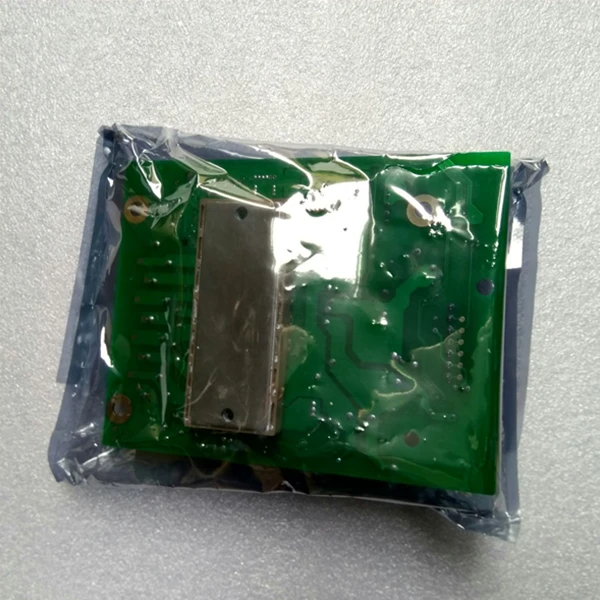
The power supply unit (PSU) in a computer or electronic device typically provides a range of voltages, but these voltages may not be suitable for all components on the main board. The VRM steps in to convert the incoming voltage from the PSU into the specific voltage levels required by each component. This conversion process is essential because different components have different voltage requirements, and any fluctuations or inconsistencies in voltage can lead to system instability, crashes, or even permanent damage to the components.
Functions of the Voltage Regulator Module
1. Voltage Regulation
The primary function of the VRM is to regulate the voltage supplied to the components on the main board. It maintains a constant voltage level, regardless of any changes in the input voltage from the PSU or the load requirements of the components. For example, when the CPU is under heavy load, it requires more power, and the VRM adjusts the voltage accordingly to ensure that the CPU receives the necessary power without any voltage drops. Conversely, when the CPU is idle, the VRM reduces the voltage to save power and reduce heat generation.
This voltage regulation is achieved through a combination of electronic components, such as inductors, capacitors, and MOSFETs (Metal-Oxide-Semiconductor Field-Effect Transistors). These components work together to filter and stabilize the voltage, ensuring that it remains within the specified range for each component.
2. Power Delivery
In addition to voltage regulation, the VRM is responsible for delivering the required power to the components on the main board. It ensures that each component receives the appropriate amount of power based on its power requirements. This is particularly important for high-performance components, such as CPUs and GPUs, which consume a significant amount of power.
The VRM uses a multi-phase design to deliver power more efficiently. In a multi-phase VRM, the power delivery is divided into multiple phases, with each phase responsible for delivering a portion of the total power. This design reduces the stress on individual components and allows for more precise control of the power delivery. As a result, the VRM can provide a more stable and reliable power supply to the components, which is essential for their optimal performance.
3. Overcurrent and Overvoltage Protection
Another important function of the VRM is to protect the components on the main board from overcurrent and overvoltage situations. Overcurrent occurs when the current flowing through a component exceeds its rated capacity, while overvoltage occurs when the voltage supplied to a component exceeds its maximum voltage rating. Both overcurrent and overvoltage can cause permanent damage to the components, so it's crucial to have a mechanism in place to prevent these situations.
The VRM incorporates overcurrent and overvoltage protection circuits that monitor the current and voltage levels and take appropriate action if they exceed the safe limits. For example, if the current exceeds the rated capacity, the VRM may reduce the voltage or shut down the power supply to the component to prevent damage. Similarly, if the voltage exceeds the maximum voltage rating, the VRM may adjust the voltage or disconnect the component from the power supply.
4. Thermal Management
The VRM also plays a role in thermal management on the main board. As the VRM regulates and delivers power to the components, it generates heat. Excessive heat can affect the performance and reliability of the VRM and other components on the main board. To prevent this, the VRM is designed with heat sinks and fans to dissipate the heat generated during operation.
The heat sinks are made of materials with high thermal conductivity, such as aluminum or copper, and are designed to absorb and transfer the heat away from the VRM. The fans help to increase the airflow over the heat sinks, which enhances the heat dissipation process. By effectively managing the heat generated by the VRM, the main board can operate at a lower temperature, which improves its overall performance and reliability.
Significance of the Voltage Regulator Module
The voltage regulator module is a critical component on the main board, and its proper functioning is essential for the overall performance and stability of the system. Here are some of the key reasons why the VRM is so important:
1. Component Protection
As mentioned earlier, the VRM protects the components on the main board from overcurrent and overvoltage situations. By ensuring that the components receive a stable and consistent voltage, the VRM helps to prevent damage to the components, which can save users from costly repairs or replacements.
2. System Stability
A stable power supply is crucial for the stability of the system. Fluctuations or inconsistencies in voltage can cause the system to crash, freeze, or experience other performance issues. The VRM ensures that the components receive a stable voltage, which helps to maintain the stability of the system and prevent these issues from occurring.
3. Performance Optimization
The VRM plays a key role in optimizing the performance of the components on the main board. By providing a stable and consistent voltage, the VRM allows the components to operate at their optimal performance levels. This is particularly important for high-performance components, such as CPUs and GPUs, which require a stable power supply to deliver their full potential.
4. Energy Efficiency
The VRM also helps to improve the energy efficiency of the system. By regulating the voltage and delivering power more efficiently, the VRM reduces the power consumption of the components. This not only saves energy but also reduces the heat generated by the components, which can further improve the energy efficiency of the system.
Impact of a Poorly Designed or Faulty VRM
A poorly designed or faulty VRM can have a significant impact on the performance and stability of the system. Here are some of the common issues that can occur if the VRM is not functioning properly:
1. System Instability
A faulty VRM can cause the system to become unstable, resulting in crashes, freezes, or other performance issues. This is because the components on the main board may not receive a stable and consistent voltage, which can lead to errors and malfunctions.
2. Component Damage
If the VRM fails to protect the components from overcurrent and overvoltage situations, it can cause permanent damage to the components. This can be costly to repair or replace, and it can also result in data loss or other issues.
3. Reduced Performance
A poorly designed or faulty VRM may not be able to deliver the required power to the components, which can result in reduced performance. This is particularly noticeable in high-performance components, such as CPUs and GPUs, which require a significant amount of power to operate at their optimal levels.
4. Increased Heat Generation
A faulty VRM may generate more heat than normal, which can affect the performance and reliability of the VRM and other components on the main board. Excessive heat can also lead to thermal throttling, which reduces the performance of the components to prevent overheating.
Conclusion
In conclusion, the voltage regulator module is a critical component on the main board that plays a vital role in the overall performance and stability of the system. Its functions include voltage regulation, power delivery, overcurrent and overvoltage protection, and thermal management. A well-designed and properly functioning VRM is essential for protecting the components on the main board, ensuring system stability, optimizing performance, and improving energy efficiency.
As a main board supplier, we understand the importance of a high-quality VRM. That's why we offer a wide range of main boards with advanced VRM designs that provide reliable and efficient power delivery. Our main boards are suitable for various applications, from consumer electronics to industrial systems.
If you're in the market for a high-quality main board, we invite you to explore our product range. We offer York Inverter Board 024-36133-002, York Main Board, and Carrier Main Board, among other products. Our team of experts is always available to assist you with your purchasing decisions and provide you with the support you need. Contact us today to start the procurement negotiation process and find the perfect main board for your needs.
References
- Computer Hardware: A Beginner's Guide, by Andrew S. Tanenbaum
- The Art of Electronics, by Paul Horowitz and Winfield Hill
- Power Electronics: Converters, Applications, and Design, by Ned Mohan, Tore M. Undeland, and William P. Robbins


