


Hey there! As a relief valve supplier, I often get asked about the flow rate of relief valves. So, let's dive right into it and break down what the flow rate of a relief valve is all about.
What is Flow Rate?
First things first, the flow rate of a relief valve is the amount of fluid (it could be gas or liquid) that the valve can discharge under specific conditions. It's usually measured in units like gallons per minute (GPM) for liquids or cubic feet per minute (CFM) for gases. Think of it like the speed at which water comes out of a faucet. The faster the water flows, the higher the flow rate.
Why is Flow Rate Important?
The flow rate is a critical factor when it comes to relief valves. You see, relief valves are designed to protect equipment and systems from over - pressure situations. If the pressure in a system gets too high, the relief valve opens up to release some of the fluid and bring the pressure back down to a safe level.
Let's say you have a boiler system. If the pressure inside the boiler builds up due to some malfunction, and the relief valve doesn't have a high enough flow rate, it won't be able to release the excess pressure quickly enough. This can lead to all sorts of problems, like equipment damage, leaks, or even explosions in extreme cases. So, getting the right flow rate for your relief valve is crucial for the safety and proper functioning of your system.
Factors Affecting Flow Rate
There are several factors that can affect the flow rate of a relief valve.
Valve Size
The size of the relief valve plays a big role. Generally, a larger valve will have a higher flow rate. It's like having a bigger pipe - more fluid can pass through it at once. For example, a 2 - inch relief valve will typically have a higher flow rate than a 1 - inch relief valve. But it's not just about slapping on the biggest valve you can find. You need to make sure the valve size is appropriate for your system. If the valve is too big, it might open and close too frequently, causing unnecessary wear and tear.
Pressure Differential
The pressure differential, which is the difference between the pressure inside the system and the pressure outside the valve, also affects the flow rate. The greater the pressure differential, the higher the flow rate. It's similar to how water flows faster out of a hose when you squeeze the end to increase the pressure difference between the water in the hose and the air outside. In a relief valve, a larger pressure differential creates a stronger force that pushes the fluid through the valve.

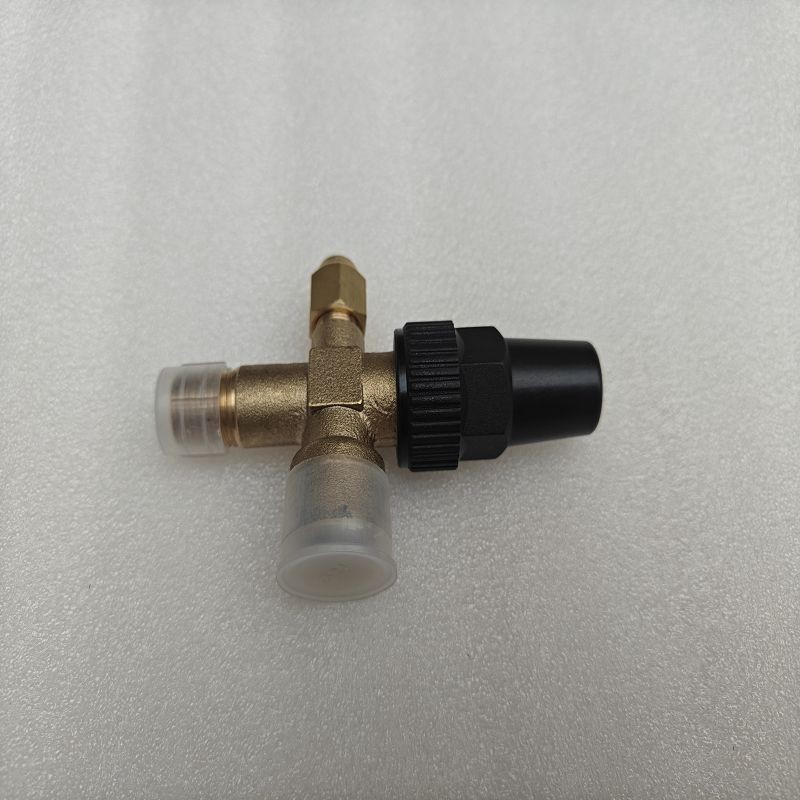
Valve Design
Different relief valve designs have different flow characteristics. There are direct - acting relief valves, pilot - operated relief valves, and balanced - bellows relief valves, among others. Each design has its own way of handling fluid flow. For instance, pilot - operated relief valves can often achieve higher flow rates with a more stable performance compared to direct - acting valves in some applications. They use a pilot system to control the opening and closing of the main valve, which can be more efficient in releasing large amounts of fluid.
Calculating Flow Rate
Calculating the flow rate of a relief valve isn't always a walk in the park. There are some industry - standard equations and methods that engineers use. One of the most common equations is the API 520 and API 526 standards, which are widely used in the oil and gas industry. These standards take into account factors like valve size, pressure differential, and the properties of the fluid (such as its density and viscosity).
But let's be real, not everyone has the time or expertise to do these complex calculations. That's where we come in as a relief valve supplier. We have a team of experts who can help you determine the right flow rate for your specific application. We'll take a look at your system, understand its operating conditions, and recommend the best relief valve with the appropriate flow rate.
Types of Relief Valves and Their Flow Rates
Let's talk about some specific types of relief valves and their typical flow rates.
York Relief Valve
The York Relief Valve is a well - known option in the market. These valves are designed to handle a wide range of flow rates depending on their size and application. York relief valves are often used in refrigeration and HVAC systems. They are engineered to provide reliable pressure relief with an appropriate flow rate to keep the system running smoothly. Whether you need a valve for a small - scale residential HVAC unit or a large - scale commercial refrigeration system, there's a York relief valve with the right flow rate for you.
Carrier Relief Valve
The Carrier Relief Valve is another popular choice. Carrier is a trusted name in the industry, and their relief valves are known for their quality and performance. These valves are designed to offer precise flow control. They can handle different flow rates depending on the requirements of your system. For example, in a chiller system, a Carrier relief valve can be selected to have a flow rate that ensures the pressure doesn't exceed safe limits, protecting the chiller components from damage.
York Angle Valve
The York Angle Valve also has its own unique flow characteristics. Angle valves are often used in systems where space is limited or where a specific flow direction is required. The flow rate of a York angle valve can vary based on its size and the pressure conditions in the system. They are designed to provide efficient relief while fitting into tight spaces, making them a great option for certain applications.
Selecting the Right Flow Rate
When it comes to selecting the right flow rate for your relief valve, it's important to do your homework. Here are some steps you can take:
Know Your System
Understand the operating conditions of your system, including the maximum pressure it can reach, the type of fluid it handles, and the normal flow rate of the fluid in the system. This information will help you determine the minimum flow rate your relief valve needs to have.
Consult an Expert
As I mentioned earlier, it can be tricky to calculate the flow rate on your own. That's why it's a good idea to consult with a relief valve expert. At our company, we have years of experience in the industry, and our team can help you analyze your system and recommend the best relief valve with the appropriate flow rate.
Consider Future Expansion
If you plan to expand your system in the future, you might want to choose a relief valve with a slightly higher flow rate than what you currently need. This way, you won't have to replace the valve when you make changes to your system.
Conclusion
In conclusion, the flow rate of a relief valve is a super important aspect of its performance. It determines how well the valve can protect your system from over - pressure situations. There are many factors that affect the flow rate, such as valve size, pressure differential, and valve design.
Whether you're looking for a York Relief Valve, a Carrier Relief Valve, or a York Angle Valve, we've got you covered. As a relief valve supplier, we're committed to helping you find the right valve with the perfect flow rate for your system.
If you're in the market for a relief valve or have any questions about flow rates, don't hesitate to reach out. We're here to assist you with all your relief valve needs and ensure the safety and efficiency of your system.
References
- Standards API 520 and API 526 for pressure - relieving valve sizing, selection, and installation.
- Various industry publications on valve technology and system safety.


