


Hey there! As a display screen supplier, I often get asked about the differences between WQHD and QHD display screens. So, I thought I'd break it down for you in a way that's easy to understand.
Let's start with the basics. What do these acronyms even mean? QHD stands for Quad High Definition, and WQHD stands for Wide Quad High Definition. The main difference between the two lies in their aspect ratios and pixel counts.
Pixel Count and Resolution
QHD typically has a resolution of 2560 x 1440 pixels. This means that there are 2560 pixels horizontally and 1440 pixels vertically on the screen. It's a significant step up from Full HD (1920 x 1080), offering a much sharper and more detailed image. You'll notice the difference when you're watching high - definition movies, playing graphically intensive games, or working on photo and video editing projects.
On the other hand, WQHD also has a 2560 - pixel horizontal count, but it usually comes with a taller vertical resolution, often around 1600 pixels. This gives it a wider aspect ratio compared to QHD. The wider aspect ratio of WQHD can be great for multitasking. You can have multiple windows open side by side without feeling too cramped, which is super useful for professionals like programmers, designers, and financial analysts.
Aspect Ratio
The aspect ratio is the relationship between the width and the height of the screen. QHD commonly has an aspect ratio of 16:9, which is the standard aspect ratio for most TVs, monitors, and laptops. It's a well - established ratio that's optimized for watching movies and TV shows, as most content is produced in this format.
WQHD, with its wider vertical resolution, often has an aspect ratio of 16:10 or even 21:9 in some ultrawide monitors. The 16:10 aspect ratio provides a bit more vertical space, which is handy for reading documents, coding, or web browsing. The 21:9 ultrawide aspect ratio, on the other hand, is a real game - changer for immersive gaming and watching cinematic content. It gives you a much broader field of view, making you feel like you're right in the middle of the action.
Use Cases
QHD
- Entertainment: If you're mainly using your display for watching movies, TV shows, or playing console games, a QHD display with a 16:9 aspect ratio is a great choice. Most streaming services and games are optimized for this format, so you'll get the best visual experience without any black bars or stretching.
- General Computing: For everyday tasks like web browsing, email, and word processing, a QHD display offers enough resolution to make text and images look sharp and clear. It's also a cost - effective option for those who don't need the extra vertical space of a WQHD display.
WQHD
- Multitasking: As I mentioned earlier, the wider aspect ratio of WQHD makes it ideal for multitasking. You can have a spreadsheet open on one side of the screen and a document on the other, or run multiple virtual desktops without having to constantly switch between windows.
- Gaming: Many modern PC games support ultrawide WQHD resolutions, providing a more immersive gaming experience. You'll have a wider field of view, which can give you an edge in competitive games.
- Professional Work: Graphic designers, video editors, and photographers can benefit from the higher resolution and wider aspect ratio of WQHD displays. They can see more of their work at once, which makes it easier to make precise adjustments and edits.
Real - World Examples
Let's take a look at some of the products we offer that come with QHD and WQHD displays. Check out the Trane MOD01924 Display Screen. This display is known for its high - quality QHD resolution, which ensures clear and detailed visuals. It's a great option for applications where you need a reliable and sharp display, such as industrial control systems or kiosks.
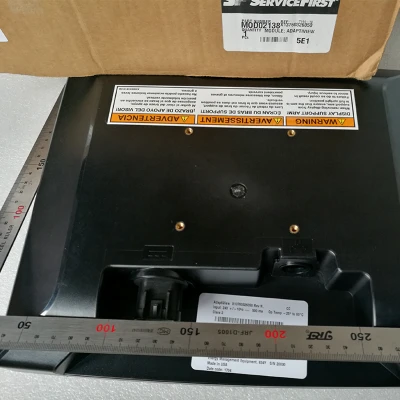
If you're looking for a WQHD display, the Trane UC800 Screen MOD02138 is a top - notch choice. With its wider aspect ratio and high - resolution display, it's perfect for multitasking and professional applications.
Another great product is the Carrier 00PSG000072400 Display Module. It offers a QHD display that's designed to provide excellent performance in various environments. Whether you're using it in a commercial setting or for personal use, this display module is sure to meet your needs.
Cost and Availability
In general, WQHD displays tend to be a bit more expensive than QHD displays. This is mainly because they require more advanced technology to produce the higher vertical resolution and wider aspect ratio. However, the price difference has been decreasing over the years as the technology becomes more widespread.
When it comes to availability, both QHD and WQHD displays are readily available in the market. You can find them in a variety of sizes and configurations, from small laptop screens to large desktop monitors.

Which One Should You Choose?
The choice between a QHD and a WQHD display depends on your specific needs and budget. If you're on a tight budget and mainly use your display for entertainment and general computing, a QHD display is a great option. It offers a good balance between performance and cost.
However, if you need a display for multitasking, gaming, or professional work, and you can afford the extra cost, a WQHD display is definitely worth considering. It will provide you with a more immersive and productive experience.
If you're still not sure which display is right for you, feel free to reach out to us. We're here to help you make the best decision based on your requirements. Whether you're a casual user or a professional, we have the perfect display screen for you. Contact us today to start the procurement process and let's discuss how we can meet your display screen needs.
References
- Various industry reports on display screen technologies
- Manufacturer specifications for Trane and Carrier display products


