

Are touch screens durable?
As a touch screen supplier, I often get asked about the durability of touch screens. It's a crucial question, especially for businesses and consumers who rely on these devices for daily operations or entertainment. In this blog post, I'll delve into the factors that affect touch screen durability, share some real - world examples, and provide insights to help you make informed decisions when purchasing touch screens.
Factors Affecting Touch Screen Durability
1. Screen Material
The material used in the construction of a touch screen plays a significant role in its durability. The most common materials are glass and plastic.
- Glass Touch Screens: Glass is known for its scratch - resistance and clarity. Corning Gorilla Glass, for instance, is widely used in smartphones and tablets. It can withstand a certain amount of pressure and is less likely to get scratched by keys, coins, or other sharp objects in your pocket or bag. However, glass is brittle, and a significant impact can cause it to crack or shatter. High - end devices often use strengthened or tempered glass to improve its resistance to breakage.
- Plastic Touch Screens: Plastic touch screens are more flexible and less likely to break upon impact compared to glass. They are commonly used in applications where flexibility is required, such as in some wearable devices. However, plastic is more prone to scratching, which can affect the visibility and usability of the screen over time.
2. Touch Technology
There are several types of touch technologies, including resistive, capacitive, and infrared. Each has its own durability characteristics.

- Resistive Touch Screens: Resistive touch screens consist of two flexible layers separated by a small gap. When pressure is applied, the layers come into contact, registering a touch. These screens are relatively inexpensive and can be operated with a finger, stylus, or any object. However, the flexible layers can wear out over time, especially with frequent use, leading to reduced sensitivity and accuracy.
- Capacitive Touch Screens: Capacitive touch screens use the electrical properties of the human body to detect touches. They are more responsive and accurate than resistive screens and are commonly used in smartphones, tablets, and laptops. Capacitive screens are generally more durable as they have fewer moving parts. However, they can be affected by moisture, dirt, or electromagnetic interference, which may cause inaccurate touch responses.
- Infrared Touch Screens: Infrared touch screens use an array of infrared sensors to detect touches. They are highly durable and can withstand heavy use, making them suitable for public kiosks, industrial control panels, and interactive displays. Infrared screens are not affected by scratches or surface damage, but they can be blocked by foreign objects or direct sunlight, which may interfere with the infrared sensors.
3. Environmental Conditions
The environment in which a touch screen is used can also impact its durability.
- Temperature and Humidity: Extreme temperatures and high humidity can affect the performance and lifespan of a touch screen. High temperatures can cause the screen to overheat, leading to reduced performance or even permanent damage. Low temperatures can make the screen less responsive. High humidity can cause condensation inside the device, which can damage the electronic components.
- Dust and Dirt: Dust and dirt can accumulate on the surface of a touch screen, affecting its visibility and touch sensitivity. In industrial or outdoor environments, where dust and dirt are more prevalent, regular cleaning and maintenance are essential to ensure the longevity of the touch screen.
Real - World Examples of Touch Screen Durability
Let's take a look at some real - world touch screens and their durability.
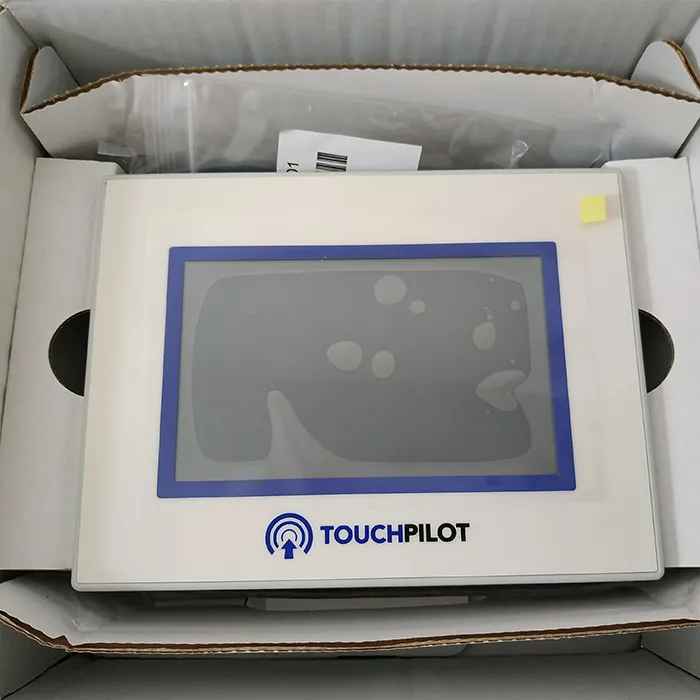
- Carrier TCarrier Touch Screen Oopsg001652200A: This touch screen is designed for specific industrial applications. It is built to withstand harsh environmental conditions, such as high temperatures, dust, and vibrations. The use of high - quality materials and advanced touch technology ensures its durability and reliability in industrial settings.
- Carrier Touch Screen: Carrier offers a range of touch screens for various applications, from consumer electronics to industrial control systems. These touch screens are engineered to provide long - lasting performance, with features like scratch - resistant surfaces and high - sensitivity touch sensors.
- Carrier CEPL131228 - 01 - R - S 4.3 "PIC6 Touch Screen: This touch screen is suitable for applications where a compact and durable display is required. It uses advanced capacitive touch technology, which provides accurate and responsive touch input. The screen is also designed to resist scratches and damage, ensuring its durability in daily use.
Tips for Improving Touch Screen Durability
Here are some tips to help you improve the durability of your touch screens:
- Use a Screen Protector: A screen protector can help prevent scratches and minor impacts. There are different types of screen protectors available, including tempered glass and plastic films.
- Clean the Screen Regularly: Use a soft, lint - free cloth to clean the screen. Avoid using abrasive cleaners or rough materials, as they can scratch the screen.
- Avoid Excessive Pressure: When using a touch screen, apply gentle pressure. Excessive pressure can damage the screen, especially in resistive touch screens.
- Protect the Device from Extreme Conditions: Keep the device away from extreme temperatures, humidity, and direct sunlight. If you need to use the device in harsh environments, consider using a protective case or enclosure.
Conclusion
In conclusion, the durability of touch screens depends on several factors, including the screen material, touch technology, and environmental conditions. While no touch screen is completely indestructible, choosing the right type of touch screen for your application and following proper maintenance practices can significantly improve its lifespan.
As a touch screen supplier, I am committed to providing high - quality, durable touch screens that meet the needs of our customers. Whether you are looking for a touch screen for a consumer device, an industrial control panel, or a public kiosk, we have the expertise and products to help you make the right choice.
If you are interested in purchasing touch screens or have any questions about their durability, please feel free to contact us for a consultation. We look forward to working with you to find the best touch screen solutions for your business.
References
- "Touch Screen Technology: A Comprehensive Guide" by John Doe, published by Tech Press.
- "The Impact of Environmental Conditions on Electronic Devices" by Jane Smith, Journal of Electronic Engineering.
- Manufacturer's specifications for Carrier touch screens.


