

A vacuum solenoid valve is a crucial component in various industrial and scientific applications, playing a significant role in controlling the flow of fluids or gases in a vacuum environment. As a seasoned solenoid valve supplier, I've witnessed firsthand the diverse functions and importance of these valves in numerous sectors. In this blog, I'll delve into what a vacuum solenoid valve is, how it works, its applications, and why choosing the right one matters.
What is a Vacuum Solenoid Valve?
A vacuum solenoid valve is an electromechanical device designed to control the flow of media, such as gases or liquids, in a vacuum system. It operates based on the principle of electromagnetism. When an electrical current is applied to the solenoid coil, it creates a magnetic field that either opens or closes the valve, allowing or blocking the flow of the medium.
The basic structure of a vacuum solenoid valve typically consists of a solenoid coil, a plunger, a valve seat, and an enclosure. The solenoid coil is the heart of the valve, responsible for generating the magnetic force. The plunger is a movable component that is attracted or repelled by the magnetic field, and it controls the opening and closing of the valve by interacting with the valve seat. The enclosure protects the internal components from the external environment and ensures the integrity of the vacuum system.
How Does a Vacuum Solenoid Valve Work?
The operation of a vacuum solenoid valve can be divided into two main states: the energized state and the de - energized state.
In the de - energized state, the plunger is held in a position by a spring or gravity, which closes the valve. This prevents the flow of the medium through the valve. For example, in a vacuum chamber where a specific pressure needs to be maintained, the de - energized valve keeps the chamber sealed, preventing any external air or fluid from entering.
When an electrical current is applied to the solenoid coil, it generates a magnetic field. The magnetic force overcomes the force of the spring or gravity, causing the plunger to move. This movement opens the valve, allowing the medium to flow through the valve. Once the current is removed, the magnetic field disappears, and the spring or gravity returns the plunger to its original position, closing the valve again.
Types of Vacuum Solenoid Valves
There are several types of vacuum solenoid valves, each designed for specific applications and operating conditions.
- Direct - acting vacuum solenoid valves: These valves are suitable for low - flow and low - pressure applications. They can operate directly without the need for a pilot pressure. The plunger directly controls the opening and closing of the valve seat, making them simple in structure and reliable in operation.
- Pilot - operated vacuum solenoid valves: These valves are used for high - flow and high - pressure applications. They use a pilot valve to control the main valve. The pilot valve is usually smaller and easier to operate, and it controls the pressure difference across the main valve, which in turn opens or closes the main valve. Pilot - operated valves are more energy - efficient for large - scale applications.
- Two - way and three - way vacuum solenoid valves: Two - way valves have two ports, an inlet and an outlet, and are used to control the flow of a single medium in one direction. Three - way valves have three ports and can be used to divert the flow of a medium between two different paths or to mix two different media.
Applications of Vacuum Solenoid Valves
Vacuum solenoid valves are widely used in various industries and scientific fields.
- Semiconductor manufacturing: In the semiconductor industry, vacuum solenoid valves are used to control the flow of gases in the deposition, etching, and cleaning processes. They ensure precise control of the gas flow, which is crucial for the quality and performance of semiconductor devices.
- Medical equipment: In medical applications such as vacuum suction devices, vacuum solenoid valves are used to control the suction force. They can be used to start and stop the suction process quickly and accurately, which is essential for patient safety and comfort.
- Food and beverage industry: Vacuum solenoid valves are used in food packaging machines to create a vacuum environment inside the packaging. This helps to extend the shelf life of food products by preventing oxidation and microbial growth.
- HVAC systems: In heating, ventilation, and air - conditioning systems, vacuum solenoid valves are used to control the flow of refrigerants. For example, Carrier Solenoid Valve, Trane Solenoid Valve, and York Solenoid Valve are commonly used in different HVAC systems to regulate the refrigerant flow, ensuring efficient operation of the system.
Choosing the Right Vacuum Solenoid Valve
Selecting the appropriate vacuum solenoid valve is crucial for the success of any application. Here are some factors to consider:
- Flow rate and pressure requirements: Determine the required flow rate and pressure of the medium in your application. This will help you choose a valve with the appropriate size and capacity. For high - flow applications, a larger valve or a pilot - operated valve may be necessary.
- Vacuum level: Different vacuum solenoid valves are designed to operate at different vacuum levels. Make sure to choose a valve that can withstand the vacuum pressure in your system.
- Media compatibility: Consider the type of medium that will flow through the valve. Some valves are designed for specific media, such as gases or liquids. The valve material should be compatible with the medium to prevent corrosion and ensure long - term reliability.
- Response time: In some applications, a fast response time is required. For example, in a high - speed production line, a valve with a short response time can improve the efficiency of the process.
Why Choose Our Solenoid Valves
As a solenoid valve supplier, we offer a wide range of vacuum solenoid valves that meet the highest standards of quality and performance. Our valves are designed and manufactured using advanced technology and high - quality materials, ensuring reliable operation in various applications.
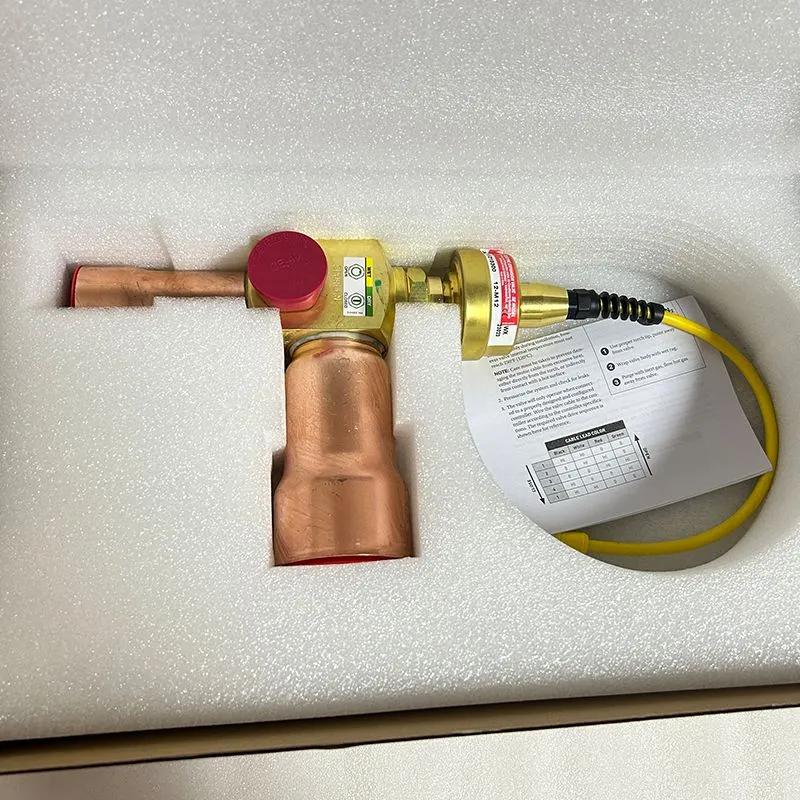

We have a team of experienced engineers who can provide technical support and assistance in selecting the right valve for your specific needs. Whether you are in the semiconductor industry, medical field, or HVAC system, we can offer customized solutions to meet your requirements.
In addition, we provide excellent after - sales service, including installation guidance, maintenance advice, and spare parts supply. We understand that the smooth operation of your equipment is crucial, and we are committed to providing you with the best service possible.
Contact Us for Procurement
If you are interested in our vacuum solenoid valves or need more information about our products, please feel free to contact us. We are always ready to discuss your requirements and provide you with a competitive quote. Our team of experts will work closely with you to ensure that you get the right valve for your application. Whether you are a small - scale user or a large - scale industrial enterprise, we can meet your procurement needs.
References
- "Industrial Valves Handbook" by A. K. Sinha
- "Vacuum Technology Basics" by O. D. J. Soedel
- Technical documents from leading solenoid valve manufacturers


