


Hey there! As a supplier of solenoid valves, I often get asked about different types of these nifty devices. One that comes up a lot is the 2 - way solenoid valve. So, let's dive right in and explore what a 2 - way solenoid valve is all about.
What Exactly is a 2 - Way Solenoid Valve?
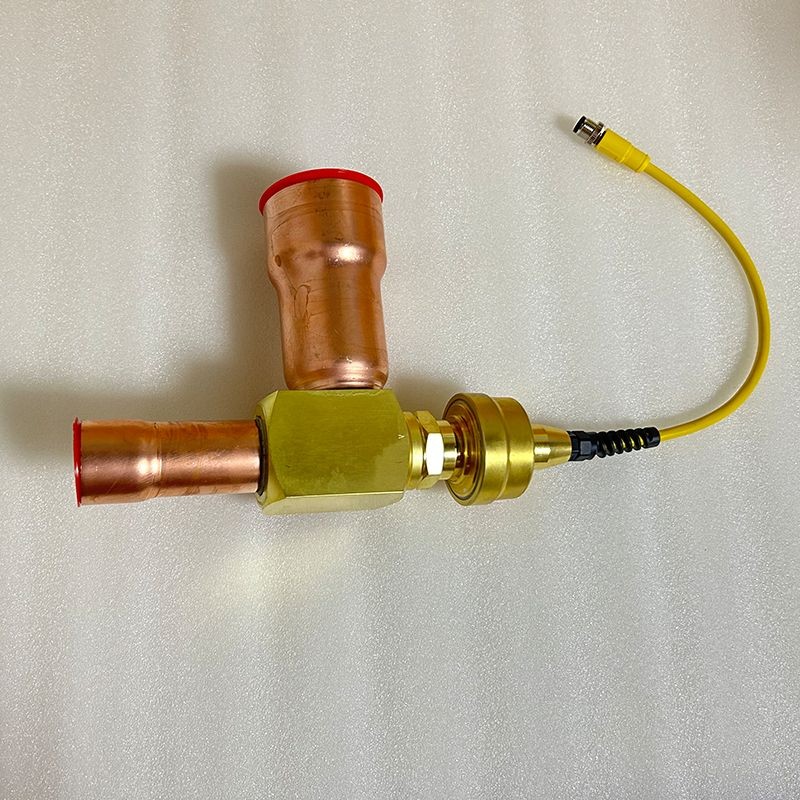
A 2 - way solenoid valve is a pretty straightforward yet super useful piece of equipment. The "2 - way" part refers to the number of ports the valve has. It has two ports: an inlet and an outlet. This simple design allows it to control the flow of a fluid (which can be a liquid or a gas) in a single pipe.
The valve works based on the principle of electromagnetism. Inside the valve, there's a solenoid, which is basically a coil of wire. When an electric current is passed through this coil, it creates a magnetic field. This magnetic field then moves a plunger or a disc inside the valve. When the plunger or disc moves, it either opens or closes the valve, controlling the flow of the fluid.
How Does it Work?
Let's break down the working process a bit more. There are two main states for a 2 - way solenoid valve: the normally closed (NC) state and the normally open (NO) state.
In a normally closed 2 - way solenoid valve, the valve is closed when there's no electrical current flowing through the solenoid. The plunger or disc is held in place by a spring, blocking the flow of fluid between the inlet and the outlet. When you apply an electrical current to the solenoid, the magnetic field overcomes the force of the spring, pulling the plunger or disc up and allowing the fluid to flow through the valve.
On the other hand, a normally open 2 - way solenoid valve is open when there's no current. The fluid can freely flow from the inlet to the outlet. When you send an electrical current to the solenoid, the magnetic field moves the plunger or disc to close the valve, stopping the fluid flow.
Applications of 2 - Way Solenoid Valves
These valves are used in a wide range of industries and applications. Here are some common ones:
HVAC Systems
In heating, ventilation, and air conditioning systems, 2 - way solenoid valves are used to control the flow of refrigerants. For example, Carrier Solenoid Valve is often used in Carrier HVAC units. These valves help regulate the amount of refrigerant flowing through the system, ensuring efficient cooling or heating.
Water Treatment
In water treatment plants, 2 - way solenoid valves are used to control the flow of water, chemicals, and other fluids. They can be used to start or stop the flow of water during different treatment processes, such as filtration or disinfection.
Industrial Automation
In factories and manufacturing plants, 2 - way solenoid valves are used in automated processes. They can control the flow of various fluids, such as lubricants, coolants, and hydraulic fluids. For instance, in a machine that uses hydraulic power, a 2 - way solenoid valve can be used to control the flow of hydraulic fluid to different parts of the machine.
Food and Beverage Industry
In the food and beverage industry, 2 - way solenoid valves are used to control the flow of liquids like water, milk, and juices. They need to be made of materials that are safe for contact with food, such as stainless steel or food - grade plastics.

Medical Equipment
In medical devices, 2 - way solenoid valves are used to control the flow of gases and liquids. For example, in an anesthesia machine, a 2 - way solenoid valve can be used to control the flow of anesthetic gases.
Advantages of 2 - Way Solenoid Valves
There are several reasons why 2 - way solenoid valves are so popular:
Fast Response Time
These valves can open and close very quickly. When you apply an electrical current, the magnetic field is created almost instantly, and the valve can change its state in a fraction of a second. This makes them ideal for applications where quick control of fluid flow is required.
Precise Control
You can accurately control the flow of fluid by simply turning the electrical current on or off. This level of precision is crucial in many applications, such as in chemical dosing systems or in medical equipment.
Easy to Install and Maintain
2 - way solenoid valves are relatively easy to install. They usually come with standard pipe connections, so you can easily integrate them into your existing systems. Maintenance is also straightforward. In most cases, you just need to check the solenoid coil for any signs of damage and clean the valve periodically.
Reliability
These valves are designed to be reliable. They can operate for a long time without any major issues, as long as they are used within their specified operating conditions.
Different Types of 2 - Way Solenoid Valves
There are a few different types of 2 - way solenoid valves, each with its own characteristics:
Direct - Acting Solenoid Valves
In direct - acting solenoid valves, the magnetic force directly moves the plunger or disc to open or close the valve. These valves can work with a wide range of pressures, including low pressures. They are simple in design and are often used in applications where the fluid flow rate is relatively low.
Pilot - Operated Solenoid Valves
Pilot - operated solenoid valves use a small pilot valve to control the pressure difference across the main valve. They are more suitable for applications with high flow rates and high pressures. However, they require a certain minimum pressure to operate properly.
Choosing the Right 2 - Way Solenoid Valve
When you're looking to buy a 2 - way solenoid valve, there are a few things you need to consider:
Fluid Type
You need to make sure the valve is compatible with the fluid you'll be using. Different fluids have different properties, such as viscosity, corrosiveness, and temperature. For example, if you're dealing with a corrosive fluid, you'll need a valve made of a corrosion - resistant material.
Pressure and Flow Rate
You need to know the pressure and flow rate requirements of your application. Make sure the valve you choose can handle the maximum pressure and flow rate of your system.
Voltage
The solenoid coil of the valve requires a specific voltage to operate. Make sure the voltage of the valve matches the power supply in your system.
Operating Temperature
The valve needs to be able to operate within the temperature range of your application. Some valves are designed for high - temperature applications, while others are suitable for low - temperature environments.
Popular Brands of 2 - Way Solenoid Valves
There are several well - known brands in the market. For example, Trane Solenoid Valve is a popular choice for HVAC systems. Trane is known for its high - quality and reliable products. Another well - known brand is York Solenoid Valve, which is also widely used in the HVAC industry.
Why Choose Us as Your Solenoid Valve Supplier?
As a solenoid valve supplier, we have a wide range of 2 - way solenoid valves to meet your different needs. We offer high - quality products at competitive prices. Our valves are made from top - notch materials and are rigorously tested to ensure they meet the highest standards.
We also have a team of experts who can help you choose the right valve for your application. Whether you're a small business or a large industrial company, we can provide you with the best solutions.
If you're interested in purchasing 2 - way solenoid valves or have any questions about them, don't hesitate to get in touch with us. We're here to assist you with all your solenoid valve needs. Let's start a great business relationship and make your projects a success!
References
- "Solenoid Valves: Principles, Operation, and Selection" by Valin Corporation
- "Industrial Valves Handbook" by Valve Manufacturers Association of America


