


Hey there! As a solenoid valve supplier, I often get asked about the best cleaning agents for these nifty little devices. Solenoid valves are used in a wide range of applications, from HVAC systems to industrial machinery. Keeping them clean is crucial for their proper functioning and longevity. So, let's dive into the world of cleaning agents for solenoid valves.
Why Clean Solenoid Valves?
Before we get into the cleaning agents, let's understand why cleaning solenoid valves is so important. Over time, solenoid valves can accumulate dirt, debris, and even corrosion. This buildup can cause the valve to stick, leak, or malfunction. By regularly cleaning your solenoid valves, you can prevent these issues and ensure that they operate smoothly.
Types of Solenoid Valves
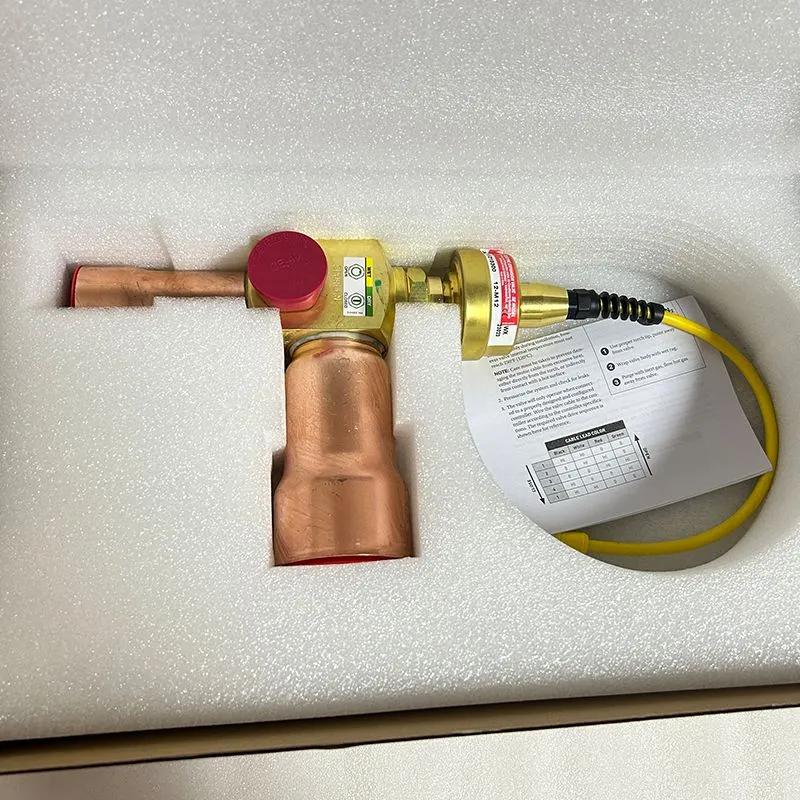
There are different types of solenoid valves, and the cleaning agents you choose may depend on the type of valve you have. Some common types include Carrier Solenoid Valve, Trane Solenoid Valve, and York Solenoid Valve. These valves are often used in HVAC systems and may require specific cleaning agents to maintain their performance.
Cleaning Agents for Solenoid Valves
1. Isopropyl Alcohol
Isopropyl alcohol is a popular choice for cleaning solenoid valves. It's a powerful solvent that can dissolve dirt, grease, and oil. It evaporates quickly, leaving no residue behind. You can use a small brush or a cotton swab dipped in isopropyl alcohol to clean the valve's exterior and interior components. Make sure to disconnect the valve from the power source before cleaning to avoid any electrical hazards.
2. Distilled Water
Distilled water is a gentle and effective cleaning agent for solenoid valves. It can remove dust and debris without causing any damage to the valve's components. You can use a soft cloth or a sponge soaked in distilled water to wipe down the valve. If the valve is particularly dirty, you can add a small amount of mild detergent to the water. However, make sure to rinse the valve thoroughly with clean water afterward to remove any detergent residue.
3. Acetone
Acetone is a strong solvent that can dissolve stubborn dirt and grease. It's often used in industrial settings to clean solenoid valves. However, acetone can be corrosive to some materials, so it's important to use it with caution. Make sure to test the acetone on a small, inconspicuous area of the valve first to ensure that it doesn't cause any damage. You can use a brush or a cloth dipped in acetone to clean the valve, but make sure to ventilate the area well to avoid inhaling the fumes.
4. Valve Cleaning Solutions
There are also commercial valve cleaning solutions available on the market. These solutions are specifically designed to clean solenoid valves and can be very effective. They often contain a combination of solvents and detergents that can dissolve dirt, grease, and corrosion. Make sure to follow the manufacturer's instructions when using these solutions, as they may require specific dilution ratios and application methods.

Cleaning Process
Now that you know what cleaning agents to use, let's go over the cleaning process. Here's a step-by-step guide on how to clean a solenoid valve:
- Disconnect the Valve: Before you start cleaning, make sure to disconnect the valve from the power source and any fluid lines. This will prevent any electrical shocks or fluid leaks.
- Inspect the Valve: Take a close look at the valve to identify any areas that are particularly dirty or damaged. This will help you determine which cleaning agent to use and how to clean the valve effectively.
- Clean the Exterior: Use a cloth or a brush dipped in your chosen cleaning agent to clean the exterior of the valve. Pay special attention to the valve body, the coil, and the connections.
- Clean the Interior: If possible, disassemble the valve to clean the interior components. Use a small brush or a cotton swab dipped in the cleaning agent to clean the valve's seat, the plunger, and the orifice. Make sure to remove any dirt, debris, or corrosion.
- Rinse the Valve: Once you've cleaned the valve, rinse it thoroughly with clean water to remove any cleaning agent residue. Make sure to dry the valve completely before reassembling it.
- Reassemble the Valve: After the valve is dry, reassemble it and reconnect it to the power source and the fluid lines. Make sure to tighten all the connections securely.
- Test the Valve: Once the valve is reassembled, test it to make sure it's working properly. Turn on the power and the fluid flow and check for any leaks or malfunctions.
Tips for Maintaining Solenoid Valves
In addition to regular cleaning, there are a few other things you can do to maintain your solenoid valves:
- Inspect the Valve Regularly: Make it a habit to inspect your solenoid valves regularly for any signs of wear, damage, or leakage. Catching these issues early can prevent more serious problems down the road.
- Use the Right Fluid: Make sure to use the right type of fluid for your solenoid valve. Using the wrong fluid can cause damage to the valve and reduce its performance.
- Follow the Manufacturer's Instructions: Always follow the manufacturer's instructions when installing, operating, and maintaining your solenoid valves. This will ensure that you're using the valve correctly and getting the most out of it.
Conclusion
Cleaning your solenoid valves regularly is essential for their proper functioning and longevity. By using the right cleaning agents and following the proper cleaning process, you can keep your valves in top condition and prevent costly repairs and replacements. If you have any questions or need more information about cleaning or maintaining your solenoid valves, don't hesitate to contact us. We're here to help you find the right solutions for your needs. Whether you're looking for Carrier Solenoid Valve, Trane Solenoid Valve, or York Solenoid Valve, we've got you covered. So, if you're in the market for high-quality solenoid valves or need assistance with valve maintenance, reach out to us for a consultation and let's discuss your requirements.
References
- "Solenoid Valve Handbook" by ASCO
- "HVAC Systems and Equipment" by McGraw-Hill Education
- Manufacturer's manuals for Carrier, Trane, and York solenoid valves


