

Pressure settings for relief valves are a critical aspect of ensuring the safety and functionality of various systems. As a relief valve supplier, I understand the significance of getting these settings right. In this blog post, I will delve into the details of what pressure settings for relief valves are, how they are determined, and why they matter.
Understanding Relief Valves
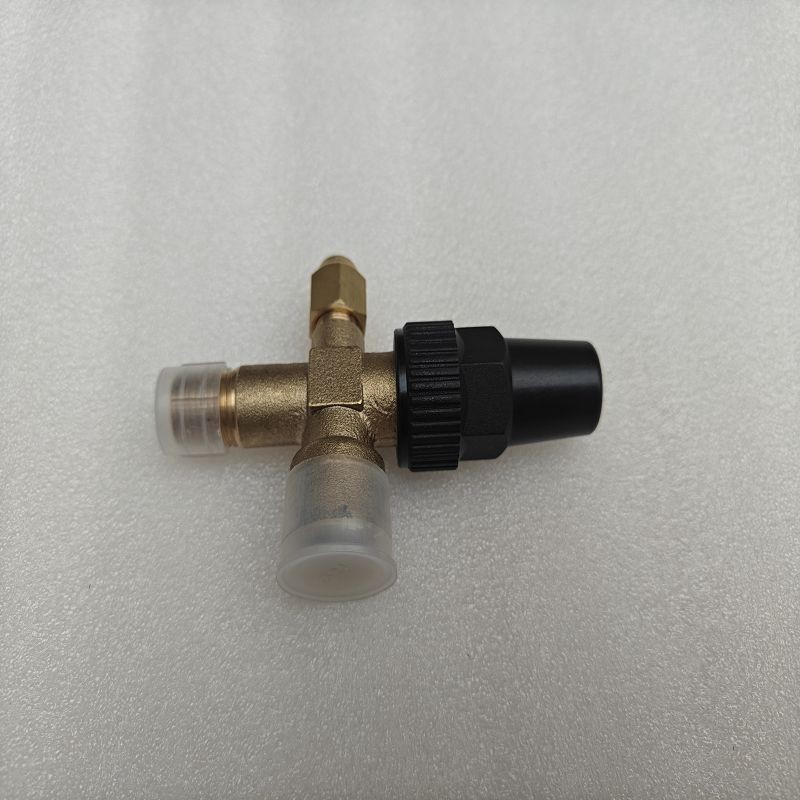
Relief valves are safety devices designed to protect systems from over - pressure conditions. They are commonly used in a wide range of industries, including oil and gas, chemical processing, power generation, and HVAC. When the pressure in a system exceeds a pre - set limit, the relief valve opens to release the excess pressure, preventing damage to the equipment and ensuring the safety of personnel.
What Are Pressure Settings?
The pressure setting of a relief valve is the specific pressure at which the valve will start to open and relieve the excess pressure. This setting is typically determined by the maximum allowable working pressure (MAWP) of the system the valve is protecting. The MAWP is the highest pressure that the system can safely withstand under normal operating conditions.
For example, if a system has a MAWP of 100 psi (pounds per square inch), the relief valve might be set to open at a pressure slightly above this value, say 105 psi. This small margin allows for normal pressure fluctuations within the system without the valve opening unnecessarily.

Determining Pressure Settings
There are several factors that go into determining the appropriate pressure settings for a relief valve:
System Requirements
The first step is to understand the requirements of the system. This includes knowing the normal operating pressure, the maximum pressure that could be generated under abnormal conditions, and the consequences of over - pressure. For instance, in a high - pressure steam system, an over - pressure situation could lead to catastrophic failures, so the relief valve settings need to be carefully calculated.
Code and Standards
Industry codes and standards play a crucial role in determining relief valve pressure settings. For example, the American Society of Mechanical Engineers (ASME) Boiler and Pressure Vessel Code provides guidelines on the design, installation, and operation of pressure relief devices. Compliance with these codes is not only a safety requirement but also a legal necessity in many jurisdictions.
Fluid Properties
The properties of the fluid in the system also affect the pressure settings. Different fluids have different vapor pressures and compressibility characteristics. For example, a relief valve protecting a system with a highly volatile fluid may need to be set at a lower pressure compared to a system with a less volatile fluid.
Types of Relief Valves and Their Pressure Settings
There are different types of relief valves, each with its own characteristics and pressure - setting requirements:
Spring - Loaded Relief Valves
Spring - loaded relief valves are the most common type. They use a spring to hold the valve closed until the pressure exceeds the pre - set value. The pressure setting of a spring - loaded relief valve can be adjusted by changing the compression of the spring. These valves are relatively simple and cost - effective, but they may have some limitations in terms of accuracy and stability.
Pilot - Operated Relief Valves
Pilot - operated relief valves are more complex but offer greater accuracy and reliability. They consist of a main valve and a pilot valve. The pilot valve senses the pressure in the system and controls the opening of the main valve. Pilot - operated relief valves can be set to open at very precise pressures and are often used in critical applications.
Importance of Correct Pressure Settings
Having the correct pressure settings for relief valves is of utmost importance:
Safety
The primary purpose of a relief valve is to protect the system and the people operating it from over - pressure. Incorrect pressure settings can lead to the valve either not opening when needed or opening too frequently, both of which pose safety risks.
Equipment Protection
Over - pressure can cause damage to equipment such as pipes, vessels, and pumps. By setting the relief valve at the appropriate pressure, we can prevent this damage and extend the lifespan of the equipment.
System Efficiency
Properly set relief valves ensure that the system operates within its design parameters. This leads to better efficiency and reduced energy consumption.
Examples of Relief Valves in Different Applications
Let's take a look at some real - world examples of relief valves and their pressure settings:
HVAC Systems
In HVAC systems, relief valves are used to protect the refrigerant lines from over - pressure. For example, in a Trane Relief Valve used in a large commercial HVAC system, the pressure settings are carefully calibrated to ensure that the valve opens when the refrigerant pressure exceeds the safe limit. This helps to prevent damage to the compressor and other components.
Industrial Process Systems
In industrial process systems, such as chemical reactors, relief valves are essential for safety. A York Angle Valve might be used to protect a reactor from over - pressure during a chemical reaction. The pressure settings are determined based on the reaction kinetics, the maximum pressure that could be generated, and the safety requirements of the facility.
Power Generation Systems
In power generation systems, relief valves are used to protect boilers, turbines, and other equipment. A Trane Angle Valve could be installed in a steam turbine system to relieve excess pressure in case of a malfunction. The pressure settings are designed to ensure that the system operates safely and efficiently.
Maintaining and Monitoring Pressure Settings
Once the relief valves are installed and set to the appropriate pressure, it is important to maintain and monitor these settings regularly:
Inspection and Testing
Relief valves should be inspected and tested periodically to ensure that they are functioning properly and that the pressure settings have not changed. This can involve visual inspections, pressure testing, and calibration.
Monitoring Systems
Installing monitoring systems can help to keep track of the pressure in the system and the status of the relief valve. This allows for early detection of any issues and timely maintenance.
Conclusion
In conclusion, pressure settings for relief valves are a critical aspect of system safety and functionality. As a relief valve supplier, I am committed to providing high - quality valves with accurate pressure settings. Whether you are in the HVAC, industrial, or power generation industry, having the right relief valve and the correct pressure settings can make a significant difference in the performance and safety of your system.
If you are in need of relief valves or have questions about pressure settings, I encourage you to reach out to us. We have a team of experts who can help you select the right valve for your application and ensure that it is set to the appropriate pressure. Contact us today to start a conversation about your relief valve needs and let's work together to keep your systems safe and efficient.
References
- American Society of Mechanical Engineers (ASME) Boiler and Pressure Vessel Code
- API 520 and API 521 Standards for Pressure - Relieving and Depressuring Systems
- Various industry research papers on pressure relief valve design and operation


