


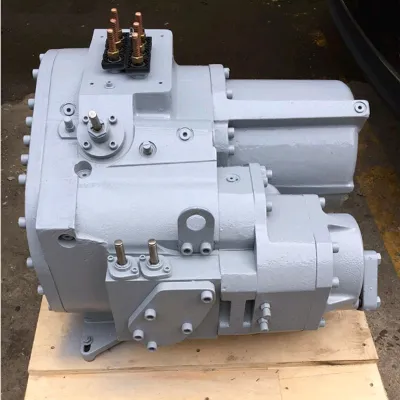
A screw compressor is a vital component in various industrial and commercial applications, known for its efficiency, reliability, and ability to deliver a continuous supply of compressed air or gas. As a screw compressor supplier, I understand that choosing the right installation location is crucial for the optimal performance and longevity of the equipment. In this blog post, I will discuss the key factors to consider when selecting an installation location for a screw compressor and recommend some suitable locations based on different application scenarios.
Key Factors to Consider
Ventilation
Proper ventilation is essential to prevent the compressor from overheating. Screw compressors generate a significant amount of heat during operation, and if this heat is not dissipated effectively, it can lead to reduced efficiency, increased wear and tear on components, and even premature failure of the compressor. The installation location should have adequate natural or mechanical ventilation to ensure a constant supply of fresh air and to remove hot air from the compressor area.
Space
The compressor requires sufficient space for installation, maintenance, and operation. There should be enough clearance around the compressor for easy access to all components, including the air intake, exhaust, oil filters, and electrical connections. Additionally, the space should be large enough to accommodate any associated equipment, such as air receivers, dryers, and filters.
Noise
Screw compressors can produce a considerable amount of noise during operation. Therefore, the installation location should be chosen to minimize the impact of noise on the surrounding environment. If the compressor is installed in a noise-sensitive area, such as an office or residential building, soundproofing measures may be required to reduce the noise level.

Temperature and Humidity
The temperature and humidity of the installation environment can have a significant impact on the performance and lifespan of the compressor. Screw compressors typically operate best within a specific temperature and humidity range. Extreme temperatures or high humidity levels can cause condensation inside the compressor, leading to corrosion and damage to components. Therefore, the installation location should be kept within the recommended temperature and humidity limits.
Foundation
A stable foundation is necessary to support the weight of the compressor and to prevent vibration during operation. The foundation should be level and strong enough to withstand the dynamic forces generated by the compressor. If the compressor is installed on an uneven or weak foundation, it can cause excessive vibration, which can lead to premature wear and tear on components and even structural damage to the building.
Suitable Installation Locations
Industrial Workshops
Industrial workshops are one of the most common installation locations for screw compressors. These environments typically have high air demand for various applications, such as pneumatic tools, painting, and sandblasting. Industrial workshops usually have large open spaces, which provide sufficient ventilation and space for the compressor and associated equipment. However, it is important to ensure that the compressor is installed away from areas where there is a risk of dust, debris, or chemicals being drawn into the air intake.
Manufacturing Plants
Manufacturing plants require a reliable supply of compressed air for a wide range of processes, including assembly lines, packaging, and automation. Screw compressors are often installed in dedicated compressor rooms within manufacturing plants. These rooms are designed to provide optimal ventilation, noise isolation, and easy access for maintenance. Compressor rooms should be equipped with proper ventilation systems to remove heat and ensure a safe working environment.
Commercial Buildings
Commercial buildings, such as offices, hotels, and shopping malls, may also require compressed air for various applications, such as HVAC systems, pneumatic doors, and elevator controls. In these settings, screw compressors are typically installed in mechanical rooms or basements. These locations provide a controlled environment with access to electrical power and water supply. However, noise reduction measures may be necessary to minimize the impact of compressor noise on the building occupants.
Outdoor Locations
In some cases, screw compressors can be installed outdoors. This is often the case for large industrial facilities or remote locations where there is limited indoor space. Outdoor installations require special considerations, such as weather protection, corrosion resistance, and proper ventilation. The compressor should be installed in a sheltered area to protect it from rain, snow, and direct sunlight. Additionally, the outdoor location should be well-ventilated to prevent the buildup of heat and humidity.
Product Recommendations
At our company, we offer a wide range of screw compressors to meet the diverse needs of our customers. Here are some of our popular products:
- Carrier 06NW2300S5NA-A00 Screw Compressor: This high-performance screw compressor is designed for industrial applications, providing reliable and efficient compressed air delivery.
- Bitzer Compressor 6GE-40-40P: Known for its durability and energy efficiency, the Bitzer 6GE-40-40P is a popular choice for commercial and industrial settings.
- Carrier 06NA2300S5NC-A00 Screw Compressor: This advanced screw compressor offers excellent performance and reliability, making it suitable for a wide range of applications.
Contact Us for Procurement and Consultation
Choosing the right screw compressor and installation location is crucial for the success of your compressed air system. As a professional screw compressor supplier, we have the expertise and experience to help you make the best decision for your specific needs. Whether you are looking for a new compressor installation, replacement, or maintenance services, we are here to assist you.
If you have any questions or would like to discuss your requirements in more detail, please feel free to contact us. Our team of experts will be happy to provide you with personalized advice and solutions. Let's work together to ensure your compressed air system operates at its best!
References
- Compressed Air and Gas Institute. (20XX). Compressed Air System Installation Guidelines.
- Manufacturer's manuals for Carrier 06NW2300S5NA-A00, Bitzer Compressor 6GE-40-40P, and Carrier 06NA2300S5NC-A00 screw compressors.


