


Compressor oil plays a crucial role in the efficient and reliable operation of compressors. Different types of compressors, such as reciprocating, rotary, and centrifugal compressors, have distinct requirements for lubrication, which has led to the development of various types of compressor oils. As a compressor oil supplier, I have in - depth knowledge of these differences and would like to share them with you.
Mineral - Based Compressor Oils
Mineral - based compressor oils are the most traditional type of compressor lubricants. They are refined from crude oil through a series of processes such as distillation, solvent extraction, and dewaxing.
One of the main advantages of mineral - based compressor oils is their relatively low cost. This makes them a popular choice for many industrial applications where cost - effectiveness is a key consideration. For example, in small - scale manufacturing plants with budget constraints, mineral - based oils can provide adequate lubrication for reciprocating compressors.
However, mineral - based oils also have some limitations. They have a relatively narrow temperature range of operation. At high temperatures, they tend to oxidize more quickly, which can lead to the formation of sludge and varnish. These deposits can clog the compressor's internal passages, reducing its efficiency and potentially causing mechanical failures. In addition, mineral - based oils may not have the best anti - wear properties compared to some synthetic alternatives.
Synthetic Compressor Oils
Synthetic compressor oils are chemically engineered lubricants. They are designed to offer superior performance in various aspects compared to mineral - based oils.
Polyalphaolefin (PAO) Oils
PAO oils are one of the most common types of synthetic compressor oils. They are made from synthetic hydrocarbons and have excellent thermal and oxidative stability. This means they can withstand high temperatures without breaking down or forming harmful deposits. PAO oils also have good low - temperature fluidity, which is beneficial for compressors operating in cold environments.
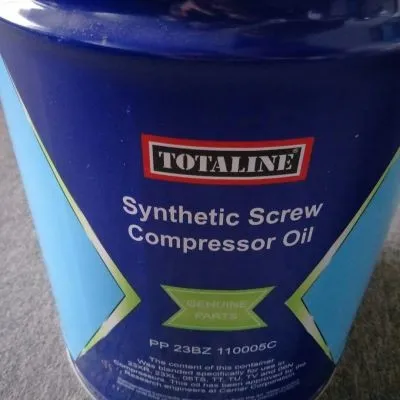
For example, in refrigeration compressors used in cold storage facilities, PAO - based compressor oils can ensure smooth operation even at extremely low temperatures. They also have better anti - wear properties, which can extend the service life of compressor components. The Carrier Compressor Oil PP23BZ110005C is a high - quality synthetic oil that may use PAO as a base stock, providing reliable lubrication for Carrier compressors.
Polyolester (POE) Oils
POE oils are another important type of synthetic compressor oil, especially in refrigeration applications. They are highly miscible with refrigerants such as R - 134a, R - 404A, and R - 410A. This miscibility is crucial because it allows the oil to circulate with the refrigerant throughout the refrigeration system, providing lubrication to the compressor and other components.
POE oils also have good hydrolytic stability, which means they can resist degradation in the presence of moisture. However, they are more hygroscopic than some other types of oils, so proper storage and handling are essential to prevent moisture absorption.
Polyalkylene Glycol (PAG) Oils
PAG oils have unique properties that make them suitable for specific compressor applications. They have excellent solubility with refrigerants and are often used in automotive air - conditioning compressors. PAG oils also have good anti - wear and anti - corrosion properties.
However, PAG oils can be more expensive than other types of compressor oils, and they are not compatible with all types of seals and gaskets. Special care must be taken when using PAG oils to ensure compatibility with the compressor's materials.
Semi - Synthetic Compressor Oils
Semi - synthetic compressor oils are a blend of mineral - based and synthetic oils. They aim to combine the advantages of both types.
These oils offer better performance than pure mineral - based oils at a lower cost compared to fully synthetic oils. They have improved thermal and oxidative stability compared to mineral - based oils, which can reduce the formation of deposits and extend the oil change intervals. Semi - synthetic oils are often used in medium - duty compressor applications where a balance between performance and cost is required.
Compressor Oil for Different Compressor Types
Reciprocating Compressors
Reciprocating compressors have pistons that move back and forth to compress the gas. They require compressor oils with good anti - wear properties to protect the piston rings, cylinders, and valves. Mineral - based oils can be used in low - pressure and low - temperature reciprocating compressor applications. However, for high - pressure and high - temperature operations, synthetic or semi - synthetic oils are preferred. These oils can withstand the high mechanical stresses and temperatures generated during the compression process.
Rotary Compressors
Rotary compressors, such as screw and vane compressors, operate with rotating elements. They need oils with good lubricity and sealing properties. Synthetic oils, especially PAO - based oils, are commonly used in rotary compressors because of their excellent anti - wear and thermal stability. The Bitzer Oil is specifically formulated for Bitzer rotary compressors, providing optimal lubrication and performance.
Centrifugal Compressors
Centrifugal compressors use a rotating impeller to accelerate the gas. They typically operate at high speeds and require oils with low viscosity and good oxidation resistance. Synthetic oils are often the best choice for centrifugal compressors because they can maintain their properties at high speeds and temperatures.
Refrigeration Compressor Oils
Refrigeration compressors have unique requirements for compressor oils. As mentioned earlier, POE oils are widely used in modern refrigeration systems due to their compatibility with refrigerants. The York Refrigeration Lubricant is designed to meet the specific needs of York refrigeration compressors, ensuring efficient operation and long - term reliability.
In addition to compatibility with refrigerants, refrigeration compressor oils must also have good moisture resistance. Moisture in the refrigeration system can cause corrosion and chemical reactions that can damage the compressor and other components.

Considerations for Choosing Compressor Oil
When choosing a compressor oil, several factors need to be considered:
- Compressor Type: Different compressor types have different lubrication requirements, as discussed above.
- Operating Conditions: The temperature, pressure, and speed at which the compressor operates will determine the type of oil needed. High - temperature and high - pressure applications require oils with better thermal and oxidative stability.
- Refrigerant Compatibility: If the compressor is used in a refrigeration system, the oil must be compatible with the refrigerant to ensure proper operation.
- Equipment Manufacturer's Recommendations: Always follow the recommendations of the compressor manufacturer. They have conducted extensive testing to determine the most suitable oil for their equipment.
Conclusion
In conclusion, there are significant differences between different types of compressor oils. Mineral - based oils are cost - effective but have limitations in performance, while synthetic oils offer superior performance in terms of thermal stability, anti - wear properties, and refrigerant compatibility. Semi - synthetic oils provide a balance between cost and performance.
As a compressor oil supplier, I understand the importance of choosing the right oil for your compressor. Whether you need a reliable oil for a reciprocating compressor in a manufacturing plant or a high - performance oil for a refrigeration compressor in a commercial building, I can provide you with the appropriate solution.
If you are interested in purchasing compressor oil or have any questions about choosing the right oil for your application, please feel free to contact me. I am more than happy to assist you in making the best decision for your compressor's lubrication needs.
References
- "Compressor Handbook" by Heinz P. Bloch
- "Lubrication Fundamentals" by John W. Fitch
- Manufacturer's technical documents for Carrier, Bitzer, and York compressors.


