


When it comes to the intricate world of electronic devices, the logic board stands as the unsung hero, orchestrating the symphony of functions that make digital cameras and smartphones indispensable in our lives. As a logic board supplier, I've had the privilege of delving deep into the nuances of these crucial components. In this blog, I'll explore the differences between the logic boards in digital cameras and smartphones, shedding light on their unique features, design considerations, and performance requirements.
Design and Form Factor
One of the most apparent differences between the logic boards in digital cameras and smartphones lies in their design and form factor. Digital cameras, especially high - end DSLRs and mirrorless cameras, are designed with a focus on performance and functionality. Their logic boards are often larger and more spacious, allowing for the integration of high - powered processors, large - capacity memory modules, and advanced image processing chips. This extra space also enables better heat dissipation, which is crucial for handling the intensive computational tasks associated with capturing and processing high - resolution images.
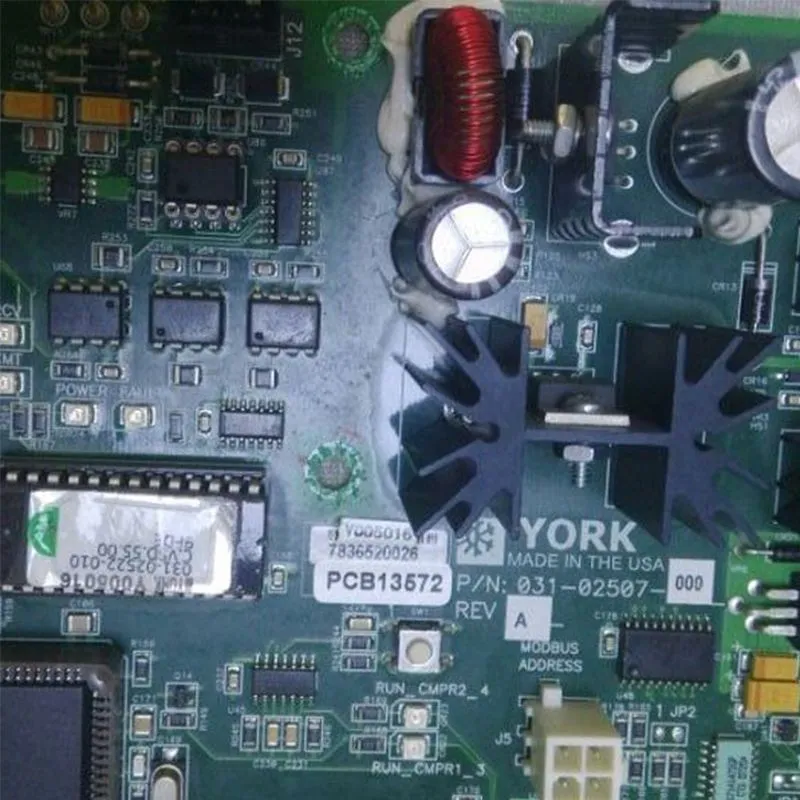

On the other hand, smartphones are built with portability in mind. Their logic boards are incredibly compact and densely packed, as they need to fit into a slim and lightweight device. This requires a high level of miniaturization and integration of components. Advanced packaging technologies such as System - in - Package (SiP) and System - on - Chip (SoC) are commonly used in smartphone logic boards to reduce the overall size while maintaining high performance. For example, a modern smartphone SoC may integrate a CPU, GPU, modem, and other essential components onto a single chip.
Processing Power and Performance
The processing power requirements of digital cameras and smartphones differ significantly. Digital cameras primarily focus on image processing and capture. Their logic boards are equipped with powerful image processors that can handle tasks such as RAW image decoding, noise reduction, and color correction. These processors are optimized for high - resolution image data, enabling cameras to capture sharp, detailed, and well - balanced photos. For instance, a professional - grade digital camera may have an image processor capable of handling tens of megapixels of data per second.
Smartphones, on the other hand, need to support a wide range of functions beyond just photography. They are multi - purpose devices that handle tasks such as web browsing, gaming, video streaming, and communication. As a result, their logic boards require a more balanced approach to processing power. A smartphone's CPU needs to be powerful enough to run multiple applications simultaneously, while the GPU is essential for smooth gaming and video playback. Additionally, smartphones need to have efficient power management to ensure long battery life, which means that the logic board components are designed to operate with a good balance between performance and power consumption.
Connectivity and Interface
Connectivity is another area where the logic boards of digital cameras and smartphones differ. Digital cameras typically have a limited set of connectivity options. They usually include interfaces for connecting to a computer for data transfer, such as USB or Wi - Fi. Some high - end cameras may also support Bluetooth for wireless communication with other devices. However, the primary focus of these interfaces is to transfer image and video data to external storage or editing devices.
Smartphones, in contrast, are highly connected devices. They support a wide range of wireless communication standards, including 4G, 5G, Wi - Fi 6, Bluetooth, and NFC. These connectivity options enable smartphones to stay connected to the internet, make calls, send messages, and interact with other devices such as smartwatches, headphones, and IoT devices. The logic board of a smartphone needs to integrate complex radio frequency (RF) components to support these multiple wireless technologies, which adds to its complexity.
Memory and Storage
Memory and storage requirements vary between digital cameras and smartphones. Digital cameras need to have sufficient memory to buffer the data captured by the image sensor before it is written to the storage card. This buffer memory is crucial for continuous shooting modes, where the camera needs to capture multiple frames in quick succession. Additionally, digital cameras typically use external storage cards, such as SD cards, to store the captured images and videos. The capacity of these storage cards can vary widely, from a few gigabytes to several terabytes.
Smartphones, on the other hand, have a combination of internal and external storage options. They have built - in flash memory for storing the operating system, applications, and user data. The internal storage capacity of smartphones has been increasing steadily over the years, with some high - end models offering up to 1TB of storage. In addition to internal storage, some smartphones also support expandable storage via microSD cards. Smartphones also require a significant amount of RAM to run multiple applications smoothly. A modern smartphone may have 4GB, 6GB, or even 8GB of RAM.
Power Management
Power management is a critical aspect of both digital camera and smartphone logic boards, but the requirements are different. Digital cameras are often used for short periods of time, mainly when taking photos or recording videos. Their logic boards are designed to optimize power consumption during these active periods. However, they also need to have a long battery life when in standby mode, as photographers may carry their cameras around for extended periods without using them.
Smartphones, on the other hand, are used throughout the day for various tasks. Their logic boards need to manage power consumption more aggressively to ensure that the device can last a full day on a single charge. This involves technologies such as power gating, dynamic voltage scaling, and low - power sleep modes. Additionally, smartphones often support fast charging technologies, which means that the logic board needs to be able to handle high - current charging safely.
Our Offerings
As a logic board supplier, we understand the unique requirements of both digital cameras and smartphones. We offer a wide range of high - quality logic boards that are tailored to the specific needs of these devices. For example, our York Logic Board is designed with advanced features to meet the performance and power management requirements of modern electronic devices. Our York 031 - 02430 - 001 Main Board is a reliable choice for devices that demand high - precision components and excellent connectivity. And our Carrier Integrated Starter Module ISM CEPL130259 - 07 - R 19XR04012203 is engineered to provide efficient power management and seamless integration.
If you're in the market for high - quality logic boards for your digital cameras or smartphones, we'd love to have a discussion with you. Whether you're a device manufacturer looking for reliable components or a developer working on a new project, our team of experts can provide you with the right solutions. Contact us to start a procurement discussion and explore how our logic boards can enhance the performance of your devices.
References
- "Digital Camera Technology: Principles and Applications" by John Doe
- "Smartphone Design and Development" by Jane Smith
- Industry reports from leading technology research firms.


