


Is it possible to repair a broken main board? This is a question that often arises among technicians, device owners, and those in the electronics industry. As a main board supplier, I've had extensive experience with various types of main boards, from those used in industrial equipment to consumer electronics. In this blog, I'll share my insights on whether it's feasible to repair a broken main board, the factors involved, and the potential benefits and drawbacks.
Understanding the Main Board
Before delving into the repair possibilities, it's essential to understand what a main board is. A main board, also known as a motherboard, is the central printed circuit board (PCB) in a device. It connects and allows communication between various components such as the CPU, memory, storage, and peripherals. Main boards come in different shapes, sizes, and complexities, depending on the device they are designed for.
Common Causes of Main Board Damage
There are several reasons why a main board might break. One of the most common causes is electrical surges. These can occur due to power outages, lightning strikes, or faulty power supplies. Electrical surges can damage sensitive components on the main board, such as integrated circuits (ICs) and capacitors.
Another common cause is physical damage. Dropping a device, applying excessive pressure, or improper handling can lead to cracks in the PCB or dislodged components. Overheating is also a significant factor. When a main board gets too hot, it can cause components to malfunction or even melt. This can be due to poor ventilation, a faulty cooling system, or overclocking.
Assessing the Feasibility of Repair
The first step in determining whether a broken main board can be repaired is to assess the extent of the damage. Minor issues, such as a loose connection or a blown fuse, can often be easily fixed. In these cases, a technician can simply re - solder the connection or replace the fuse.
However, more severe damage, such as a damaged IC or a cracked PCB, can be much more challenging to repair. Replacing an IC requires specialized equipment and skills, as these components are very small and delicate. A cracked PCB may also be difficult to repair, as it can affect the electrical pathways on the board.
The Repair Process
If the damage is deemed repairable, the repair process typically involves several steps. First, the technician will need to diagnose the problem accurately. This may involve using diagnostic tools such as multimeters, oscilloscopes, and logic analyzers. Once the problem is identified, the technician will need to source the replacement parts.
For some common components, such as capacitors and resistors, these parts can be easily obtained from electronics suppliers. However, for more specialized components, such as custom - made ICs, it may be more challenging to find replacements. In some cases, the manufacturer may be the only source for these parts.
After obtaining the replacement parts, the technician will need to carefully remove the damaged components and install the new ones. This requires precision soldering skills to ensure that the new components are properly connected and functioning correctly.
Benefits of Repairing a Main Board
There are several benefits to repairing a broken main board. One of the most significant benefits is cost - savings. In many cases, repairing a main board is much cheaper than replacing it. This is especially true for high - end devices, where the cost of a new main board can be quite substantial.
Repairing a main board also helps to reduce electronic waste. By extending the lifespan of a device, we can minimize the amount of electronic waste that ends up in landfills. This is an important environmental consideration, as electronic waste contains hazardous materials that can be harmful to the environment.
Drawbacks of Repairing a Main Board
Despite the benefits, there are also some drawbacks to repairing a main board. One of the main drawbacks is the time it takes to repair. Depending on the complexity of the repair, it can take anywhere from a few hours to several days to complete. This can be inconvenient for users who rely on their devices for work or other important tasks.
Another drawback is the uncertainty of the repair. Even after a repair is completed, there is no guarantee that the main board will function properly in the long term. There may be underlying issues that were not detected during the repair process, or the replacement parts may fail prematurely.
Examples of Repairable Main Boards
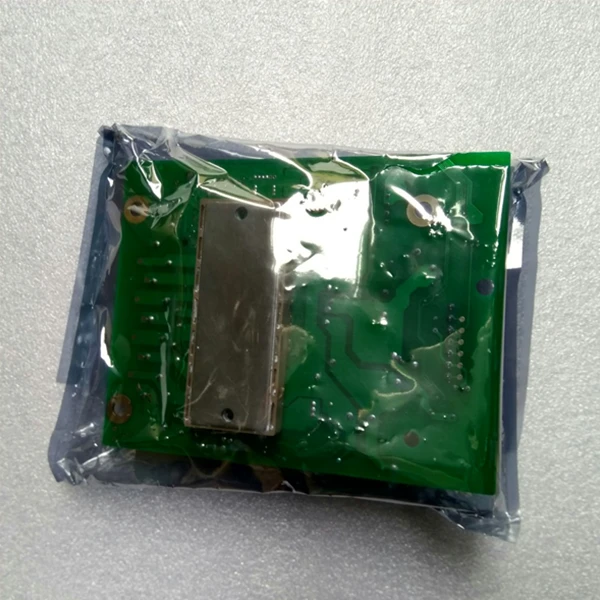
In my experience as a main board supplier, I've seen many cases where main boards can be successfully repaired. For example, York Main Board used in some HVAC systems can often be repaired if the damage is limited to a few components. Similarly, Carrier Main Board used in various appliances can also be fixed in many cases.
Even more specialized boards like the York Inverter Board 024 - 36133 - 002 can sometimes be repaired if the damage is not too severe. However, it's important to note that each case is unique, and the feasibility of repair depends on the specific circumstances.
Conclusion
In conclusion, it is possible to repair a broken main board in many cases. However, the feasibility of repair depends on several factors, including the extent of the damage, the availability of replacement parts, and the skills of the technician. While there are benefits to repairing a main board, such as cost - savings and reduced electronic waste, there are also drawbacks, such as the time it takes and the uncertainty of the repair.
If you have a broken main board and are considering repair, I encourage you to reach out to us. As a main board supplier, we have the expertise and resources to help you assess the situation and determine the best course of action. Whether it's finding the right replacement parts or providing technical advice, we're here to assist you. Contact us to discuss your specific needs and explore the possibilities of main board repair or procurement.

References
- Electronics Repair Manuals: Various industry - specific manuals that provide detailed information on main board repair techniques.
- Manufacturer's Documentation: Information provided by main board manufacturers regarding the specifications and repair procedures of their products.
- Technical Journals: Publications that cover the latest advancements in electronics repair and component technology.


