

As a seasoned supplier of solenoid valves, I understand the critical importance of ensuring the sealing performance of these essential components. Solenoid valves are widely used in various industries, including HVAC, refrigeration, and industrial automation, where reliable sealing is paramount to prevent leakage and ensure efficient operation. In this blog post, I will share some valuable insights and practical tips on how to ensure the sealing performance of a solenoid valve.

Understanding the Basics of Solenoid Valve Sealing
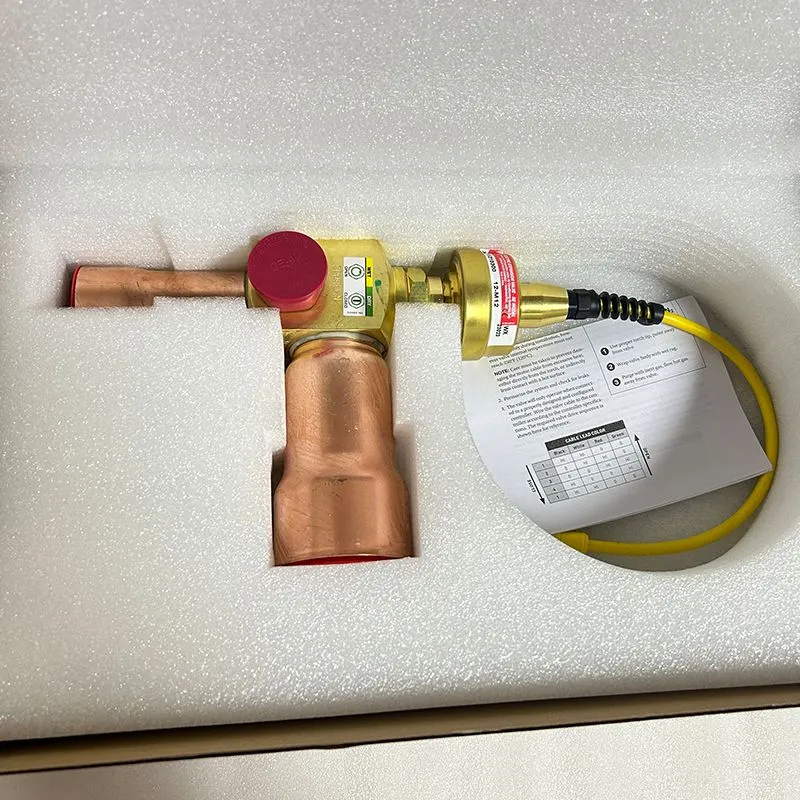
Before delving into the strategies for ensuring sealing performance, it is essential to understand the basic principles of solenoid valve sealing. A solenoid valve consists of a coil, a plunger, and a valve body. When an electric current is applied to the coil, it generates a magnetic field that moves the plunger, opening or closing the valve. The sealing of the valve is achieved through the interaction between the plunger and the valve seat.
There are two main types of sealing in solenoid valves: soft sealing and hard sealing. Soft sealing uses materials such as rubber or plastic to create a tight seal between the plunger and the valve seat. This type of sealing is suitable for applications where a high degree of sealing is required, such as in the food and beverage industry. Hard sealing, on the other hand, uses materials such as metal or ceramic to create a seal. This type of sealing is more durable and suitable for applications where the valve is exposed to high pressures and temperatures.
Selecting the Right Solenoid Valve
The first step in ensuring the sealing performance of a solenoid valve is to select the right valve for the application. There are several factors to consider when selecting a solenoid valve, including the type of fluid being controlled, the pressure and temperature of the system, and the flow rate requirements.
- Fluid Compatibility: The material of the valve body and the sealing components must be compatible with the fluid being controlled. For example, if the fluid is corrosive, a valve with a corrosion-resistant material such as stainless steel or brass should be selected.
- Pressure and Temperature Ratings: The solenoid valve must be able to withstand the pressure and temperature of the system. It is important to select a valve with a pressure and temperature rating that is higher than the maximum operating conditions of the system.
- Flow Rate Requirements: The size of the solenoid valve must be selected based on the flow rate requirements of the system. A valve that is too small will restrict the flow of fluid, while a valve that is too large will result in excessive pressure drop.
Proper Installation and Maintenance
Proper installation and maintenance are crucial for ensuring the sealing performance of a solenoid valve. Here are some tips to follow:
- Installation: The solenoid valve should be installed in accordance with the manufacturer's instructions. It is important to ensure that the valve is properly aligned and tightened to prevent leakage.
- Sealing Components: The sealing components of the solenoid valve, such as the O-rings and gaskets, should be inspected regularly and replaced if necessary. It is important to use high-quality sealing components that are compatible with the fluid being controlled.
- Cleaning and Lubrication: The solenoid valve should be cleaned regularly to remove any dirt or debris that may affect the sealing performance. It is also important to lubricate the moving parts of the valve to ensure smooth operation.
Testing and Inspection
Regular testing and inspection are essential for ensuring the sealing performance of a solenoid valve. Here are some methods that can be used:
- Pressure Testing: Pressure testing can be used to check for leaks in the solenoid valve. The valve should be pressurized to the maximum operating pressure of the system and monitored for any signs of leakage.
- Visual Inspection: Visual inspection can be used to check for any damage or wear on the sealing components of the solenoid valve. It is important to inspect the O-rings, gaskets, and valve seats for any signs of cracking, deformation, or wear.
- Function Testing: Function testing can be used to check the operation of the solenoid valve. The valve should be tested to ensure that it opens and closes properly and that the flow of fluid is controlled as expected.
Using High-Quality Solenoid Valves
Using high-quality solenoid valves is one of the most effective ways to ensure the sealing performance of the valve. At our company, we offer a wide range of high-quality solenoid valves, including Trane Solenoid Valve, Carrier Solenoid Valve, and York Solenoid Valve. Our valves are designed and manufactured to meet the highest standards of quality and reliability, and we offer a comprehensive range of services to ensure that our customers get the most out of their solenoid valves.
Conclusion
Ensuring the sealing performance of a solenoid valve is essential for preventing leakage and ensuring efficient operation. By selecting the right solenoid valve, installing and maintaining it properly, testing and inspecting it regularly, and using high-quality valves, you can ensure that your solenoid valve will provide reliable performance for years to come.
If you are in the market for a high-quality solenoid valve, please contact us to discuss your requirements. Our team of experts will be happy to help you select the right valve for your application and provide you with the support and service you need to ensure its proper operation.
References
- "Solenoid Valve Handbook" by ASCO Numatics
- "Industrial Valves: Selection, Specification, and Installation" by Oleg D. Khinkis


