


Diagnosing a problem with an oil level switch is a crucial skill for anyone involved in the maintenance and operation of equipment that relies on proper oil levels. As a leading oil level switch supplier, I've encountered various issues with these devices over the years. In this blog post, I'll share some valuable insights on how to effectively diagnose problems with an oil level switch.
Understanding the Basics of an Oil Level Switch
Before diving into the diagnostic process, it's essential to understand what an oil level switch is and how it works. An oil level switch is a device designed to monitor the oil level in a system, such as an engine, compressor, or hydraulic system. It typically consists of a sensor, which detects the oil level, and a switch mechanism, which sends a signal to a control system when the oil level reaches a certain point.
There are several types of oil level switches, including float switches, magnetic switches, and capacitive switches. Each type has its own unique operating principle and characteristics, but they all serve the same basic function of monitoring oil levels.
Common Symptoms of a Faulty Oil Level Switch
The first step in diagnosing a problem with an oil level switch is to identify the symptoms. Here are some common signs that your oil level switch may be malfunctioning:
- False Alarms: If your control system is frequently triggering oil level alarms when the oil level is actually normal, it could indicate a problem with the switch. This could be due to a faulty sensor, a loose connection, or electrical interference.
- No Alarm When Oil Level is Low: Conversely, if your system fails to trigger an alarm when the oil level is critically low, it's a clear sign that the switch is not functioning properly. This could be extremely dangerous, as it can lead to equipment damage or failure.
- Inconsistent Readings: If the oil level readings on your control panel are fluctuating or inconsistent, it may be a sign of a problem with the switch. This could be caused by a dirty or damaged sensor, or issues with the electrical wiring.
- Mechanical Issues: Visible signs of mechanical damage, such as a broken float or a damaged switch housing, can also indicate a problem with the oil level switch.
Diagnostic Steps
Once you've identified the symptoms, you can start the diagnostic process. Here are the steps you can follow:

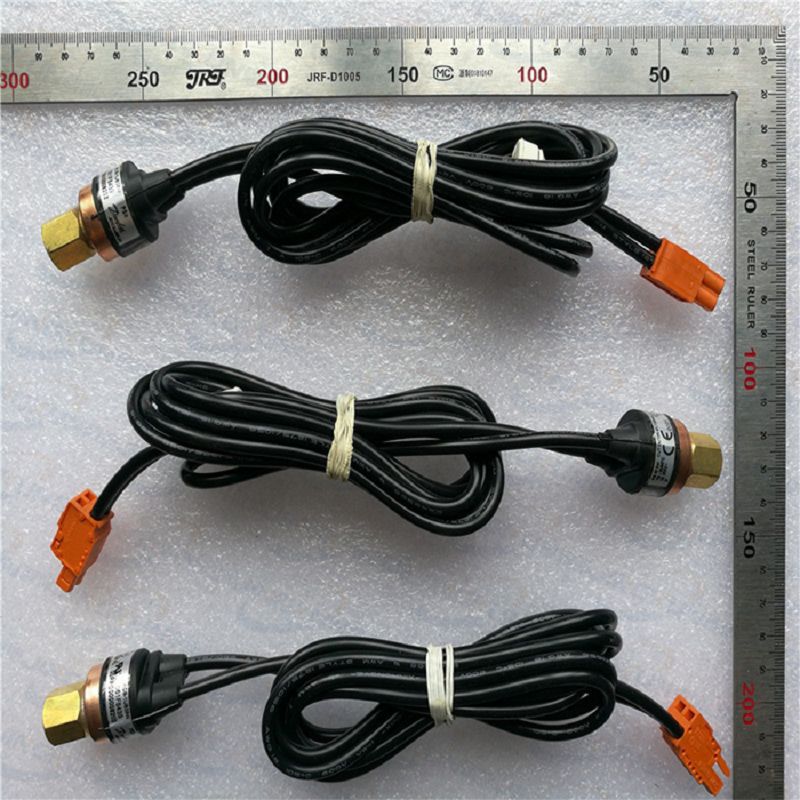
Step 1: Visual Inspection
Begin by conducting a visual inspection of the oil level switch. Check for any signs of physical damage, such as cracks, corrosion, or loose connections. Make sure the switch is properly installed and that all wiring is secure. Look for any signs of oil leakage around the switch, as this could indicate a seal failure.
Step 2: Check the Electrical Connections
Next, check the electrical connections to the oil level switch. Make sure all wires are properly connected and that there are no loose or frayed wires. Use a multimeter to test the continuity of the wires and to check for any signs of electrical interference. If you find any issues with the wiring, repair or replace the damaged wires as necessary.
Step 3: Test the Sensor
The sensor is the most critical component of the oil level switch. To test the sensor, you'll need to use a specialized testing device, such as a sensor tester or a multimeter. Follow the manufacturer's instructions for testing the sensor, and compare the readings to the specifications provided by the manufacturer. If the sensor readings are outside the normal range, it may need to be replaced.
Step 4: Check the Switch Mechanism
If the sensor tests normal, the next step is to check the switch mechanism. This involves testing the switch's ability to open and close at the appropriate oil levels. You can do this by manually adjusting the oil level in the system and observing the switch's response. If the switch fails to open or close at the correct oil levels, it may need to be repaired or replaced.
Step 5: Check for Environmental Factors
Environmental factors, such as temperature, humidity, and vibration, can also affect the performance of an oil level switch. Make sure the switch is installed in a suitable environment and that it is protected from extreme conditions. If necessary, consider installing additional shielding or insulation to protect the switch from environmental factors.
Troubleshooting Specific Issues
Let's take a closer look at some specific issues and how to troubleshoot them:
False Alarms
If you're experiencing false alarms, start by checking for electrical interference. This could be caused by nearby electrical equipment, such as motors or generators. Try moving the oil level switch away from any potential sources of interference, or install shielding to protect the switch from electrical noise.
If electrical interference is not the issue, check the sensor for dirt or debris. A dirty sensor can cause inaccurate readings, leading to false alarms. Clean the sensor carefully using a soft brush and a suitable cleaning solution.
No Alarm When Oil Level is Low
If your system fails to trigger an alarm when the oil level is low, first check the electrical connections to the switch. Make sure the switch is properly grounded and that all wires are securely connected. If the connections are okay, test the sensor to ensure it is functioning correctly. If the sensor is working but the switch still fails to trigger an alarm, the problem may lie with the control system. Check the control system settings and make sure the alarm thresholds are correctly configured.
Inconsistent Readings
Inconsistent readings can be caused by a variety of factors, including a dirty sensor, a loose connection, or electrical interference. Start by cleaning the sensor and checking the electrical connections. If the problem persists, consider replacing the sensor. You may also want to check for any signs of electrical interference and take steps to eliminate it.
Recommended Products
As an oil level switch supplier, I can recommend some high - quality products that are known for their reliability and performance. For example, the York Oil Level Switch is a popular choice for many industrial applications. It offers accurate oil level monitoring and is designed to withstand harsh environments.
The Carrier High Pressure Switch is another excellent option, especially for systems that require high - pressure monitoring. It provides reliable performance and is easy to install and maintain.
If you're looking for a flow switch, the Trane Flow Switch is a great choice. It offers precise flow monitoring and is suitable for a wide range of applications.
Conclusion
Diagnosing a problem with an oil level switch requires a systematic approach and a good understanding of how these devices work. By following the steps outlined in this blog post, you can effectively identify and troubleshoot issues with your oil level switch. Remember, regular maintenance and inspection of your oil level switches can help prevent problems and ensure the reliable operation of your equipment.
If you're experiencing persistent problems with your oil level switches or if you're in the market for new switches, don't hesitate to contact us. We're here to provide you with the best products and support to meet your needs. Whether you need technical advice, product recommendations, or assistance with installation and maintenance, our team of experts is ready to help.
References
- "Industrial Switch Handbook", 3rd Edition, McGraw - Hill
- Manufacturer's manuals for various oil level switches


