


Hey there! As a keypad supplier, I've seen firsthand how crucial it is to pick the right keypad for your project. Whether you're working on a small DIY gadget or a large - scale industrial application, the keypad you choose can make or break the user experience. In this blog, I'll share some tips on how to make that all - important decision.
1. Consider the Application
The first thing you need to think about is what your project is for. Is it a consumer device like a remote control, a home appliance, or an industrial machine? Different applications have different requirements.
For consumer devices, aesthetics and ease of use are often top priorities. You want a keypad that looks good and is comfortable to press. For example, a sleek, minimalist design might work well for a modern - looking smart home device. On the other hand, if it's an industrial application, durability and reliability are key. Industrial environments can be harsh, with exposure to dust, moisture, and heavy use. You'll need a keypad that can withstand these conditions.
Let's say you're working on a thermostat for a home. A keypad with backlighting would be great, as it makes it easy to read and operate in low - light conditions. You can check out the York 024 - 30910 - 000 Keypad which might be a good fit for this kind of consumer - focused application.
2. Evaluate the Key Type
There are several types of keys available, and each has its own advantages.

- Mechanical Keys: These keys have a physical switch under each keycap. They offer a tactile feedback, which means you can feel when the key is pressed. This is great for applications where precision is important, like a calculator or a gaming keyboard. However, they can be more expensive and bulkier than other types.
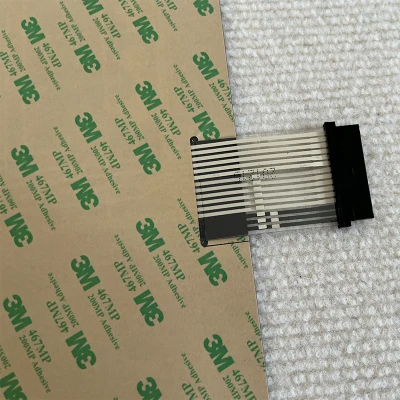
- Membrane Keys: Membrane keypads are made of multiple layers of flexible material. When you press a key, the layers come into contact, completing an electrical circuit. They are thin, lightweight, and relatively inexpensive. They're also easy to clean, which makes them suitable for applications in food processing or medical equipment.
- Capacitive Keys: Capacitive keypads work by detecting changes in capacitance when a finger approaches or touches the key. They are very responsive and can be designed with a smooth, glass - like surface. They're commonly used in smartphones and high - end consumer electronics.
If you're building an industrial control panel, a membrane keypad might be a good choice because of its durability and cost - effectiveness. The York 024 - 25258 - 000 SWITCH KEYPAD could be a great option for industrial applications.
3. Think About the Key Layout
The layout of the keys on the keypad is also important. It should be intuitive and easy for the user to navigate.
For a numeric keypad, the standard 1 - 9, 0 layout is widely recognized and easy to use. If your project requires a lot of text input, a QWERTY layout like on a computer keyboard might be necessary. You also need to consider the spacing between the keys. If the keys are too close together, it can be easy for users to accidentally press the wrong one, especially if they have large fingers or are using gloves in an industrial setting.
Let's say you're creating a point - of - sale system. You'll want a keypad with a layout that makes it easy for cashiers to enter prices, quantities, and perform other transactions quickly. Make sure to choose a layout that suits the specific tasks your users will be performing.
4. Check the Electrical Specifications
The electrical characteristics of the keypad are crucial for compatibility with your project.
- Voltage and Current Requirements: You need to ensure that the keypad can operate within the voltage and current range provided by your power source. If the voltage is too high, it can damage the keypad, and if it's too low, the keys might not function properly.
- Contact Resistance: This is the resistance between the contacts when a key is pressed. A low contact resistance ensures a reliable electrical connection and accurate signal transmission.
- Debounce Time: When a key is pressed, there can be some electrical noise or bouncing. The debounce time is the time the keypad takes to stabilize the signal after a key press. A shorter debounce time means faster and more accurate key recognition.
Before you make a purchase, check the datasheet of the keypad to make sure its electrical specifications match your project's requirements.
5. Look at the Environmental Conditions
As I mentioned earlier, the environment in which the keypad will be used plays a big role in your choice.
- Temperature and Humidity: Extreme temperatures and high humidity can affect the performance of a keypad. For example, in a cold environment, the materials might become brittle, and in a humid environment, moisture can cause corrosion. If your project will be used outdoors or in a place with variable environmental conditions, look for a keypad that is rated for a wide temperature and humidity range.
- Dust and Water Resistance: In industrial settings or outdoor applications, dust and water can be a problem. Look for keypads with an IP (Ingress Protection) rating. The IP rating consists of two digits. The first digit indicates the level of protection against solid objects like dust, and the second digit indicates the level of protection against water. For example, an IP67 - rated keypad is dust - tight and can withstand being submerged in water for a certain period.
If you're working on a project in a harsh industrial environment, a keypad with high - level environmental protection is essential. The York Keypad might have options that are suitable for such conditions.
6. Consider the Cost
Cost is always a factor in any project. You need to balance the features and quality of the keypad with your budget.
Cheaper keypads might not have all the advanced features or the same level of durability as more expensive ones. However, that doesn't mean you can't find a good - quality keypad at a reasonable price. Compare different models and suppliers to get the best value for your money.
Sometimes, spending a little more upfront on a high - quality keypad can save you money in the long run by reducing the need for replacements and repairs.
7. Evaluate the Supplier
Choosing the right supplier is just as important as choosing the right keypad.
- Reputation: Look for a supplier with a good reputation in the industry. You can check online reviews, ask for references, or see if they have any certifications. A reputable supplier is more likely to provide high - quality products and good customer service.
- Product Range: A supplier with a wide range of keypads gives you more options to choose from. They can also offer advice on which keypad is best for your project.
- Technical Support: If you have any questions or run into problems during the installation or use of the keypad, you'll want a supplier that offers good technical support. They should be able to provide you with datasheets, installation guides, and troubleshooting help.
As a keypad supplier, I can assure you that we're committed to providing high - quality products, a wide range of options, and excellent technical support.
In conclusion, choosing the right keypad for your project involves considering the application, key type, layout, electrical specifications, environmental conditions, cost, and the supplier. By taking the time to evaluate these factors, you can ensure that you select a keypad that meets your project's needs and provides a great user experience.
If you're interested in purchasing keypads for your project, I'd love to have a chat with you. We can discuss your specific requirements and find the perfect keypad solution for you. Let's work together to make your project a success!
References
- Keypad Design and Selection Guide, Various Industry Publications
- Electronic Component Datasheets from Keypad Manufacturers


