


When it comes to the longevity of an oil level switch, numerous factors come into play. As a seasoned supplier of oil level switches, I've witnessed firsthand the diverse range of circumstances that can affect their lifespan. In this blog, we'll delve into the key elements influencing how long an oil level switch endures and what you can do to maximize its service life.
Understanding the Basics of an Oil Level Switch
Before we discuss its lifespan, it's crucial to understand what an oil level switch does. An oil level switch is a vital component in many systems, especially in engines and industrial machinery. Its primary function is to monitor the oil level and trigger an alarm or shut down the system if the oil level drops below a safe threshold. This helps prevent damage to the equipment due to insufficient lubrication, which can lead to overheating, excessive wear, and even catastrophic failure.
Factors Affecting the Lifespan of an Oil Level Switch
- Quality of the Switch
The quality of the materials used in manufacturing the oil level switch significantly impacts its lifespan. High - quality switches are typically made from durable materials that can withstand harsh operating conditions. For example, switches with corrosion - resistant casings and reliable internal components are more likely to last longer. At our company, we source only the finest materials to ensure the durability of our oil level switches. - Operating Conditions
The environment in which the oil level switch operates plays a major role in its longevity. Extreme temperatures, high humidity, and exposure to chemicals or contaminants can all take a toll on the switch. In industrial settings where there are high levels of dust or debris, the switch may get clogged or damaged more quickly. On the other hand, in a clean and controlled environment, the switch is likely to have a longer lifespan. - Frequency of Use
How often the oil level switch is activated also affects its lifespan. If a system has frequent oil level fluctuations that cause the switch to turn on and off repeatedly, it can lead to wear and tear on the internal components. In contrast, a switch that is rarely activated may last longer, but it's important to ensure that it still functions properly when needed. - Maintenance and Installation
Proper installation and regular maintenance are essential for extending the life of an oil level switch. Incorrect installation can cause the switch to malfunction or be damaged prematurely. For example, if the switch is not installed at the correct height or angle, it may not accurately detect the oil level. Regular maintenance, such as cleaning the switch and checking for loose connections, can help identify and address potential issues before they become major problems.
Average Lifespan of an Oil Level Switch
While it's difficult to give an exact figure for how long an oil level switch will last, in general, a well - made and properly maintained switch can last anywhere from 5 to 15 years. However, this can vary widely depending on the factors mentioned above. For instance, a switch used in a relatively mild operating environment with infrequent use may last closer to 15 years, while a switch in a harsh industrial setting with high usage may need to be replaced after 5 years or even less.
Extending the Lifespan of Your Oil Level Switch
- Choose the Right Switch
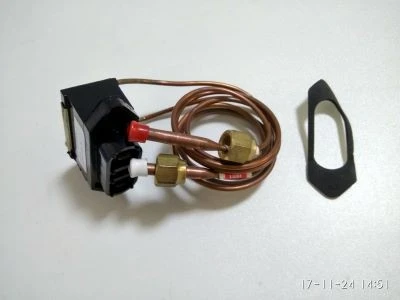
Selecting an oil level switch that is suitable for your specific application is crucial. Consider the operating conditions, the type of oil being used, and the frequency of use. Our company offers a wide range of oil level switches, including the Carrier Oil Pressure Switch, which is designed to meet the needs of various industries. - Proper Installation
Ensure that the oil level switch is installed correctly according to the manufacturer's instructions. This may involve mounting the switch at the appropriate height, making sure the electrical connections are secure, and calibrating the switch to the correct oil level. - Regular Maintenance
Establish a regular maintenance schedule for the oil level switch. This can include cleaning the switch to remove any dirt or debris, checking the electrical connections for signs of corrosion or looseness, and testing the switch to ensure it is functioning properly. - Monitor Operating Conditions
Keep an eye on the operating conditions of the system where the oil level switch is installed. If there are any changes in temperature, humidity, or the presence of contaminants, take appropriate measures to protect the switch. For example, if the environment becomes more dusty, consider installing a protective cover over the switch.
Case Studies
Let's take a look at a couple of real - world examples to illustrate the impact of different factors on the lifespan of an oil level switch.
Case 1: Industrial Manufacturing Plant
In an industrial manufacturing plant, an oil level switch was installed in a hydraulic system. The plant had a high level of dust and debris in the air, and the hydraulic system was in constant use. Despite regular maintenance, the switch started to malfunction after about 3 years. The frequent activation of the switch due to the high usage, combined with the harsh environment, led to premature wear and tear on the internal components. After replacing the switch with a more robust model and implementing additional dust - protection measures, the new switch has been functioning well for over 2 years.
Case 2: Residential Heating System
In a residential heating system, an oil level switch was installed to monitor the oil level in the boiler. The system was used only during the winter months, and the environment was relatively clean and stable. The switch was installed correctly and received minimal maintenance. After 10 years, the switch was still functioning properly, demonstrating that in a mild operating environment with infrequent use, an oil level switch can have a long lifespan.
Conclusion
The lifespan of an oil level switch can vary greatly depending on factors such as quality, operating conditions, frequency of use, and maintenance. By choosing the right switch, installing it correctly, and performing regular maintenance, you can maximize the lifespan of your oil level switch and ensure the reliable operation of your equipment.
If you're in the market for a high - quality oil level switch, we invite you to explore our product range, including the Carrier HK06UB006 Oil Pressure Switch and Carrier High Pressure Switch. Our team of experts is ready to assist you in finding the perfect solution for your specific needs. Contact us today to start a discussion about your oil level switch requirements.

References
- "Industrial Switch Handbook", published by ABC Publishing
- "Hydraulic System Maintenance Guide", written by XYZ Corporation
- Manufacturer's manuals for various oil level switches


