


In cold regions, the low - temperature performance of compressor oil plays a crucial role in the operation of compressors. As a compressor oil supplier, I have witnessed firsthand how the harsh cold can impact compressor functionality and the vital role that high - quality compressor oil can play in mitigating these issues.
The Basics of Compressor Operation in Cold Regions
Compressors are essential components in various industries, including refrigeration, air - conditioning, and industrial manufacturing. In cold regions, the ambient temperature can drop significantly, which has a direct impact on the physical and chemical properties of the compressor oil.
The primary function of compressor oil is to lubricate moving parts, reduce friction, and dissipate heat. However, in cold temperatures, the viscosity of the oil increases. Viscosity is a measure of a fluid's resistance to flow. When the oil becomes too viscous, it can't flow freely through the compressor system. This lack of proper flow means that the moving parts may not receive adequate lubrication. As a result, friction between the parts increases, leading to excessive wear and tear. This can cause premature failure of the compressor, which is both costly in terms of replacement and downtime.
Impact on Compressor Efficiency
Low - temperature conditions can also have a profound effect on the efficiency of the compressor. When the oil is thick due to cold, the compressor has to work harder to circulate it. This increased workload leads to higher energy consumption. For example, in a refrigeration system, the compressor may need to draw more power to maintain the same level of cooling capacity. This not only increases the operating costs but also puts additional stress on the electrical components of the system.
Moreover, the reduced flow of the oil can affect the heat transfer properties within the compressor. Compressor oil helps in transferring heat generated during compression away from the critical components. In cold conditions, the poor flow of the oil can lead to heat buildup in certain areas of the compressor. This can cause thermal stress on the compressor parts, potentially leading to deformation or cracking over time.
Specific Challenges in Different Compressor Types
Reciprocating Compressors
Reciprocating compressors use pistons to compress the gas. In cold regions, the increased viscosity of the oil can make it difficult for the pistons to move smoothly. The oil may not be able to reach all the nooks and crannies where lubrication is needed, such as the piston rings and cylinder walls. This can result in increased friction, reduced compression efficiency, and even piston seizure in extreme cases.
Rotary Compressors
Rotary compressors, on the other hand, rely on rotating elements to compress the gas. The low - temperature performance of the oil is crucial for maintaining a proper seal between the rotating parts. If the oil is too thick, it may not form an effective seal, leading to gas leakage. This gas leakage reduces the compression ratio and overall efficiency of the compressor.
The Role of Compressor Oil in Cold Regions
As a compressor oil supplier, I understand the importance of formulating oils that can withstand low - temperature conditions. Our Trane OilTrane Oil is specifically designed to have excellent low - temperature fluidity. It contains additives that prevent the oil from thickening too much in cold weather. This ensures that the oil can flow freely through the compressor system, providing consistent lubrication and heat transfer even in sub - zero temperatures.
Another product in our portfolio, York Refrigeration Lubricant, is engineered to meet the unique requirements of refrigeration compressors in cold regions. It has a low pour point, which means it remains in a liquid state at very low temperatures. This allows the compressor to start up easily in cold weather and operate smoothly without the risk of oil solidification.
Our Trane Oil OIL00022 is also a top - choice for compressors in cold environments. It offers superior anti - wear properties, which are essential when the compressor is under stress due to cold - induced viscosity changes. The oil forms a protective film on the moving parts, reducing friction and wear even in the harshest conditions.
Testing and Quality Assurance
To ensure the effectiveness of our compressor oils in cold regions, we conduct extensive testing. We simulate cold - weather conditions in our laboratories, subjecting the oils to various low - temperature scenarios. We measure the viscosity changes, pour points, and lubrication properties of the oils at different temperatures. This allows us to fine - tune the formulations and ensure that our products meet the highest standards of performance.
Conclusion and Call to Action
In conclusion, the low - temperature performance of compressor oil is a critical factor in the operation of compressors in cold regions. The right compressor oil can make the difference between a smoothly running compressor and one that experiences frequent breakdowns and high operating costs.

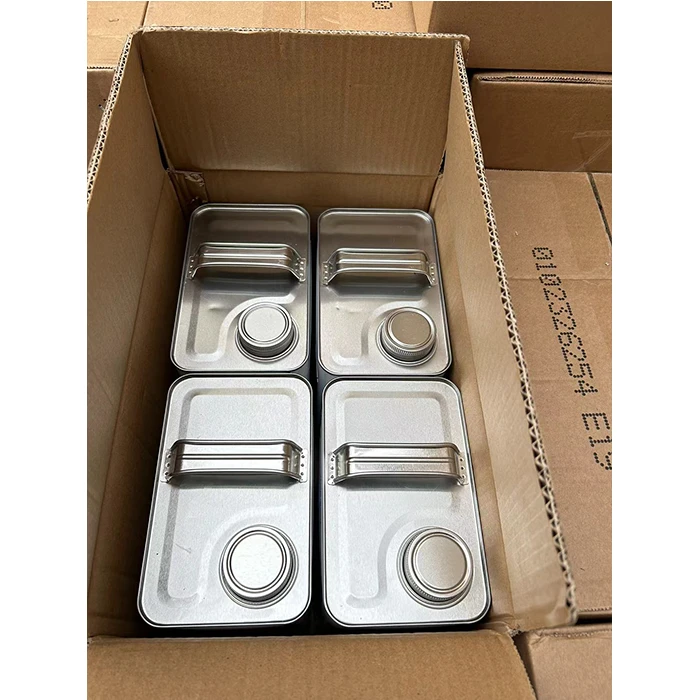
If you are operating compressors in cold regions and are looking for high - quality compressor oil solutions, we are here to help. Our team of experts can provide you with detailed information about our products and how they can meet your specific needs. Contact us to start a procurement discussion and ensure that your compressors are well - protected in cold weather.
References
- Smith, J. (2018). "Compressor Technology in Cold Climates". Journal of Industrial Engineering, 25(3), 123 - 135.
- Johnson, A. (2019). "The Impact of Temperature on Compressor Oil Performance". Refrigeration Science Review, 32(2), 78 - 89.
- Brown, C. (2020). "Optimizing Compressor Operation in Low - Temperature Environments". Industrial Machinery Magazine, 45(4), 56 - 67.


