


Hey there! As a supplier of oil level switches, I'm super excited to break down how these nifty devices work, especially when it comes to gearboxes. So, let's dive right in and explore the ins and outs of oil level switches in gearboxes.
The Basics of Gearbox Oil
First things first, gearboxes are like the heart of many machines. They transfer power from one part to another, and they need oil to keep everything running smoothly. The oil in a gearbox has a few key jobs. It lubricates the gears, which reduces friction and wear. This means the gears last longer and the gearbox works more efficiently. It also helps to cool the gears down, because all that moving around generates a lot of heat. And finally, the oil can carry away any tiny bits of metal or debris that might break off from the gears over time.
But here's the catch: the oil level in the gearbox needs to be just right. If there's too little oil, the gears won't be properly lubricated or cooled, which can lead to overheating, increased wear, and even gear failure. On the other hand, if there's too much oil, it can cause foaming, which reduces the oil's ability to lubricate and can also lead to increased drag and energy loss. That's where the oil level switch comes in.
How an Oil Level Switch Works
An oil level switch is a simple yet crucial device that monitors the oil level in a gearbox. There are a few different types of oil level switches, but they all have the same basic goal: to detect when the oil level goes below or above a certain point and then take action.
Float-Type Oil Level Switches
One of the most common types is the float-type oil level switch. This type of switch has a float that's attached to a lever or a rod. The float is designed to float on the surface of the oil. When the oil level is normal, the float is in a certain position. But when the oil level drops, the float goes down with it. As the float moves, it causes the lever or rod to move as well. This movement activates a switch, which can then send a signal to a control system or an alarm.
For example, let's say you have a gearbox in an industrial machine. The float-type oil level switch is installed inside the gearbox. As long as the oil level is within the normal range, the switch is in its normal state. But if the oil level starts to drop due to a leak or some other problem, the float will start to sink. Once the float reaches a certain low level, the switch will activate. This could trigger an alarm on the machine's control panel, letting the operator know that there's a problem with the oil level.
Capacitive Oil Level Switches
Another type is the capacitive oil level switch. These switches work based on the principle of capacitance. Capacitance is a measure of how much electrical charge a device can store. In a capacitive oil level switch, there are two electrodes. When the oil level is normal, the oil fills the space between the electrodes, and the capacitance has a certain value.
But when the oil level changes, the amount of oil between the electrodes changes, which in turn changes the capacitance. The switch is designed to detect this change in capacitance. If the capacitance goes below or above a certain threshold, it means the oil level has changed, and the switch will send a signal.
Capacitive oil level switches are often used in applications where a more precise measurement of the oil level is needed. They can also be used in situations where the oil is dirty or contains contaminants, because they don't rely on a mechanical float that could get stuck or damaged.
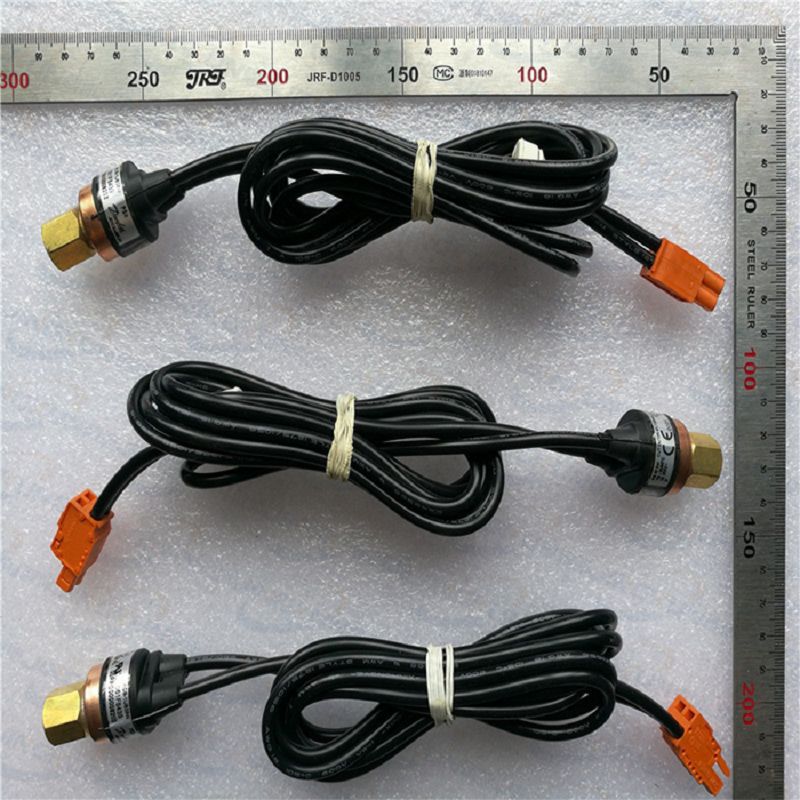

Why You Need an Oil Level Switch in Your Gearbox
Having an oil level switch in your gearbox is essential for several reasons. First of all, it helps to prevent costly damage to the gearbox. By detecting low oil levels early, you can take action to add more oil or fix the problem causing the leak before it's too late. This can save you a lot of money in repairs and downtime.
Secondly, an oil level switch can improve the efficiency of your gearbox. By ensuring that the oil level is always at the optimal level, the gears will be properly lubricated and cooled, which means the gearbox will run more smoothly and use less energy.
Finally, an oil level switch can enhance safety. In some industrial applications, a gearbox failure can have serious consequences, such as causing a machine to malfunction or even pose a risk to workers. By monitoring the oil level and alerting you when there's a problem, the oil level switch can help to prevent these kinds of dangerous situations.
Our Oil Level Switch Products
As a supplier of oil level switches, we offer a wide range of high-quality products to meet your needs. Whether you need a float-type oil level switch for a simple application or a capacitive oil level switch for a more precise measurement, we've got you covered.
For example, we have the York 024-25500-000 OIL LEVEL SWITCH. This switch is designed to be reliable and durable, and it's suitable for a variety of gearbox applications. It's easy to install and maintain, and it provides accurate oil level monitoring.
We also offer the Trane Flow Switch. This switch is known for its high performance and precision. It can detect even small changes in the oil level, making it ideal for applications where a precise oil level control is required.
And if you're looking for a high-pressure switch, we have the Carrier High Pressure Switch. This switch is designed to handle high-pressure environments and can provide reliable oil level monitoring in challenging conditions.
Contact Us for Your Oil Level Switch Needs
If you're in the market for an oil level switch for your gearbox, we'd love to hear from you. Our team of experts can help you choose the right switch for your specific application and provide you with all the information you need. Whether you're a small business or a large industrial company, we have the products and the expertise to meet your needs. So, don't hesitate to reach out and start a conversation about your oil level switch requirements.
References
- "Gearbox Lubrication and Maintenance Guide", Industrial Machinery Handbook
- "Oil Level Monitoring Technologies", Journal of Fluid Dynamics and Lubrication
So, that's a wrap on how an oil level switch in a gearbox functions. I hope this blog has been helpful to you. If you have any questions or need more information, feel free to drop us a line. We're here to help you keep your gearboxes running smoothly!


