


Hey there! As a touch screen supplier, I've seen my fair share of touch screens on different devices, especially tablets and smartphones. Today, I'm gonna break down how a touch screen on a tablet stacks up against a smartphone touch screen.
Size Matters
First off, let's talk about size. Smartphones are, well, smart - and small. They're meant to fit in your pocket and be carried around all day. Their touch screens usually range from around 4 to 7 inches. For example, the standard iPhone has a screen size that's easy to handle with one hand, which is super convenient when you're on the go.
On the other hand, tablets have much larger screens, typically starting from 7 inches and going up to 13 inches or more. The bigger screen on a tablet gives you more real estate for things like watching movies, reading e - books, or working on documents. You can have multiple windows open side by side, which is a game - changer for multitasking.
But the size also affects how you interact with the touch screen. On a smartphone, your fingers are more likely to cover a significant part of the screen when you're tapping or swiping. This can sometimes be a bit of a hassle, especially when you're trying to hit a small button. With a tablet, though, your fingers cover a much smaller proportion of the screen, so it's easier to be precise when you're interacting with different elements.
Resolution and Clarity
Resolution is another important factor. Smartphones these days often have high - resolution screens. Many flagship smartphones have a resolution of 2K or even higher. This means that text, images, and videos look incredibly sharp and detailed. The small screen size also means that the pixels are packed closely together, giving you a great visual experience.
Tablets also come with high - resolution screens, but the larger size can sometimes make the pixels seem a bit more spread out. However, manufacturers are constantly improving, and many tablets now offer resolutions that are more than good enough for most users. For example, some high - end tablets have 4K resolutions, which is amazing for watching high - definition videos or playing graphics - intensive games.
In terms of clarity, both smartphones and tablets are pretty good. But if you're really into pixel - perfect visuals for things like photo editing or graphic design, a smartphone might have a slight edge because of the smaller screen size and higher pixel density.
Touch Sensitivity
Touch sensitivity is crucial for a smooth user experience. Most smartphones are designed to be used with one hand, so their touch screens need to be highly responsive. The sensors in smartphone touch screens are usually very sensitive, allowing you to quickly tap, swipe, and pinch - to - zoom. You can even use gestures like double - tapping to wake the phone up or long - pressing to access context menus.
Tablets also have good touch sensitivity, but the handling is a bit different. Since tablets are often used with two hands, the touch screen doesn't always need to be as super - sensitive as a smartphone's. However, for tasks like drawing or note - taking, a tablet with high touch sensitivity is a must. Some tablets even support stylus input, which requires an extremely sensitive touch screen to accurately capture the pressure and movement of the stylus.
Durability
Smartphones are more likely to take a beating. They go everywhere with you - from your pocket to your bag, and they're often dropped or bumped around. As a result, smartphone touch screens need to be durable. Most smartphones come with scratch - resistant glass, like Corning Gorilla Glass, to protect the screen from everyday wear and tear.
Tablets, while also built to be durable, are a bit more delicate. They're larger and more fragile, so they're more likely to crack if dropped. However, many tablet manufacturers are also using high - quality glass and other protective materials to make their touch screens more resistant to damage.
Cost
Cost is always a consideration. Generally, smartphone touch screens are cheaper to produce than tablet touch screens. This is because of the smaller size and the fact that smartphones are produced in much larger quantities. As a touch screen supplier, I know that the economies of scale play a big role here.
Tablet touch screens, on the other hand, are more expensive. The larger size means more materials are used, and the manufacturing process can be more complex, especially for high - resolution and high - sensitivity screens.
Applications
Smartphones are all about portability and quick access to information. You use your smartphone for things like texting, making calls, checking social media, and using apps on the go. The touch screen on a smartphone is optimized for these types of tasks.

Tablets, however, are more versatile. They're great for entertainment, like watching movies or playing games. They're also becoming increasingly popular for work, with many people using tablets for tasks like word processing, spreadsheet creation, and presentation design. The larger touch screen on a tablet makes these tasks much more comfortable and efficient compared to a smartphone.
Our Offerings
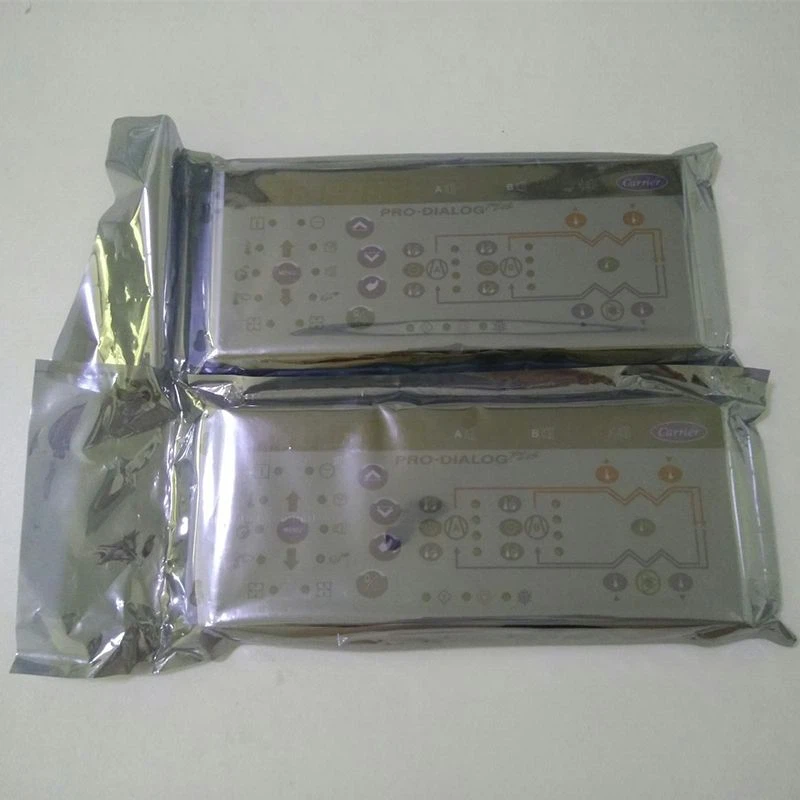
If you're in the market for touch screens, whether for smartphones or tablets, we've got you covered. We offer a wide range of touch screens, including Carrier Touch Screen. This touch screen is known for its high - quality and reliability.
We also have the Carrier TCarrier Touch Screen Oopsg001652200A, which is a great option for those who need a touch screen with specific features. And for those looking for a touch screen with a particular size and specification, the Carrier CEPL131228 - 01 - R - S 4.3 "PIC6 Touch Screen is a top - notch choice.
If you're interested in purchasing touch screens for your devices, whether they're smartphones or tablets, feel free to reach out. We're always happy to have a chat about your specific needs and find the best touch screen solution for you.
References
- "Mobile Device Technology Handbook"
- Various industry reports on touch screen technology
So, there you have it! That's how a touch screen on a tablet compares to a smartphone touch screen. I hope this blog has been helpful to you. If you have any questions or need more information, don't hesitate to get in touch.


