

Hey there! As a screw compressor supplier, I've gotten tons of questions about how these machines perform in high - temperature environments. So, I thought I'd sit down and share my insights on this topic.
First off, let's understand what a screw compressor is. In simple terms, it's a type of compressor that uses two interlocking helical rotors to compress air or gas. These compressors are widely used in various industries due to their efficiency, reliability, and ability to handle large volumes of air.
Now, when it comes to high - temperature environments, things can get a bit tricky for screw compressors. One of the primary concerns is overheating. You see, the compression process generates a lot of heat. In normal conditions, the compressor has a cooling system to dissipate this heat. But in high - temperature environments, the ambient heat makes it harder for the cooling system to do its job.
Let's take a look at the impact of high temperatures on different components of a screw compressor.
Impact on Lubrication
Lubrication is crucial for the smooth operation of a screw compressor. The lubricant not only reduces friction between the rotors but also helps in sealing and cooling. However, high temperatures can cause the lubricant to break down. When the lubricant breaks down, its viscosity changes. It might become too thin, which means it won't provide adequate lubrication. This can lead to increased wear and tear on the rotors and other moving parts. Over time, this can result in reduced efficiency and even mechanical failures.
Impact on Electrical Components
Screw compressors have various electrical components, such as motors and control panels. High temperatures can have a negative impact on these components. Electrical resistance increases with temperature, which means the motors have to work harder to maintain the same level of performance. This can lead to higher energy consumption and a shorter lifespan for the motors. Additionally, the control panels, which are responsible for regulating the compressor's operation, can also be affected. The electronic components inside the control panels are sensitive to heat, and prolonged exposure to high temperatures can cause malfunctions.
Impact on Seals and Gaskets
Seals and gaskets play a vital role in preventing leaks in a screw compressor. High temperatures can cause these seals and gaskets to expand or contract. If they expand too much, they might lose their sealing properties, leading to air or gas leaks. On the other hand, if they contract, they can become brittle and crack, which also results in leaks. Leaks not only reduce the efficiency of the compressor but can also pose safety hazards in some applications.
How to Mitigate the Effects of High Temperatures
So, what can we do to ensure that screw compressors perform well in high - temperature environments?
Proper Ventilation
One of the simplest and most effective ways is to ensure proper ventilation. Make sure that the compressor is installed in an area with good airflow. This can help in dissipating the heat generated by the compressor and reduce the ambient temperature around it. You might need to install additional fans or ventilation ducts to improve the airflow.
Upgraded Cooling Systems
Another option is to upgrade the cooling system. Some screw compressors come with standard cooling systems that might not be sufficient in high - temperature environments. You can consider adding an external cooling unit or upgrading the existing radiator. This can help in maintaining the compressor's temperature within a safe range.
High - Temperature Lubricants
Using high - temperature lubricants can also make a big difference. These lubricants are designed to withstand higher temperatures without breaking down. They can provide better lubrication and protection for the compressor's moving parts, even in extreme conditions.
Regular Maintenance
Regular maintenance is key to ensuring the longevity and performance of a screw compressor in high - temperature environments. This includes checking the lubricant levels, inspecting the seals and gaskets, and testing the electrical components. By catching and fixing any issues early, you can prevent major problems from occurring.
Examples of Screw Compressors in High - Temperature Environments
Let's take a look at some specific screw compressors and how they can perform in high - temperature settings.
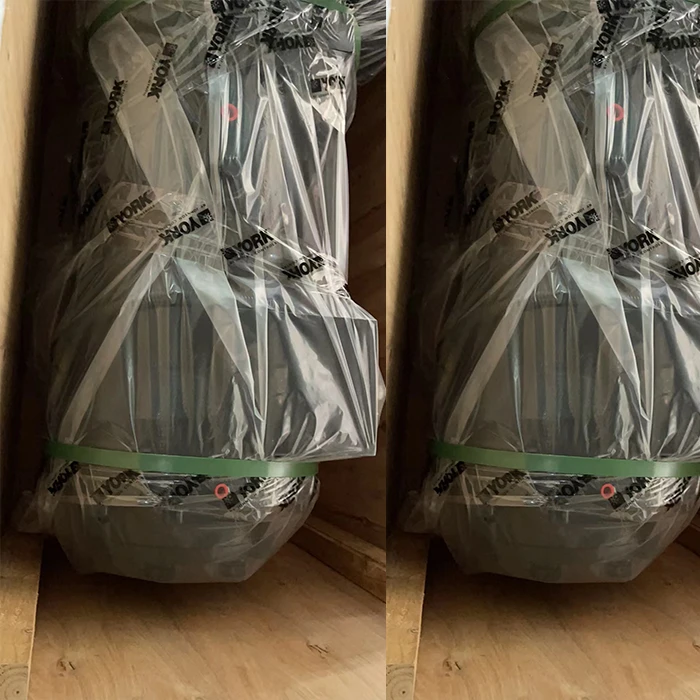
The York Screw Compressor is known for its robust design and high - performance capabilities. It has a well - designed cooling system that can handle relatively high ambient temperatures. However, in extremely hot environments, it might still benefit from some of the mitigation strategies we discussed earlier, such as upgrading the cooling system.
The Carrier 06NA2300S5NC - A00 Screw Compressor is another popular choice. It's equipped with advanced control systems that can adjust the compressor's operation based on the temperature. This helps in optimizing the performance and reducing the risk of overheating.
The Carrier 06NW2300S5NA - A00 Screw Compressor also has features that make it suitable for high - temperature environments. It has a high - efficiency cooling system and is designed to be more resistant to the effects of heat on its components.

Conclusion
In conclusion, high - temperature environments pose significant challenges for screw compressors. But with the right precautions and maintenance, these compressors can still perform well. Whether it's through proper ventilation, upgraded cooling systems, or high - temperature lubricants, there are ways to ensure that your screw compressor can handle the heat.
If you're in the market for a screw compressor or need advice on how to optimize the performance of your existing compressor in a high - temperature environment, don't hesitate to reach out. We're here to help you make the best choice for your needs and ensure that your compressor runs smoothly for years to come.
References
- Compressor Handbook, Second Edition by Klaus Brun and Eckard W. Gulich
- Practical Guide to Compressed Air Systems by the Compressed Air and Gas Institute


