


Hey there! As a relief valve supplier, I've seen my fair share of the ins and outs of these crucial components. Today, I'm gonna walk you through how to assemble a relief valve. Whether you're a DIY enthusiast or a professional in the field, this guide should come in handy.
Getting to Know Your Relief Valve
Before we jump into the assembly process, let's talk a bit about what a relief valve is and why it's so important. A relief valve is a safety device that's designed to protect a system from over - pressure. When the pressure in a system exceeds a pre - set limit, the relief valve opens up and releases the excess pressure, preventing potential damage to the equipment and ensuring the safety of the whole setup.
We offer a variety of relief valves, like the York Angle Valve, Carrier Relief Valve, and York Relief Valve. Each type has its own unique features and applications, but the basic assembly principles are pretty similar.
Tools You'll Need
First things first, gather the necessary tools. You'll need a set of wrenches, both open - end and adjustable ones. A screwdriver, preferably a Phillips and a flat - head, will also come in handy. You might also need a torque wrench to ensure that all the bolts are tightened to the correct specifications. And don't forget a clean, lint - free cloth to wipe down the parts.
Pre - assembly Checks
Before you start putting the valve together, it's crucial to do a thorough inspection of all the parts. Check for any signs of damage, like cracks, dents, or scratches. Make sure all the gaskets are in good condition and free from any debris. If you find any damaged parts, don't use them. Replace them with new ones to ensure the proper functioning of the relief valve.
Step 1: The Body Assembly
Let's start with the valve body. Place the valve body on a clean, flat surface. Take the inlet and outlet flanges and align them with the corresponding openings on the valve body. Insert the bolts through the holes in the flanges and the valve body. Use a wrench to hand - tighten the bolts initially. Then, using a torque wrench, tighten the bolts to the manufacturer's recommended torque settings. This is important because if the bolts are not tightened correctly, it can lead to leaks.
Step 2: Installing the Disc and Seat
The disc and seat are the heart of the relief valve. They are responsible for controlling the flow of fluid and opening and closing the valve when needed. Carefully place the seat into the valve body. Make sure it's properly seated and aligned. Then, place the disc on top of the seat. The disc should fit snugly and move freely.
Step 3: Adding the Spring and Adjusting Screw
The spring is what determines the opening pressure of the relief valve. Insert the spring into the valve body, making sure it's centered. On top of the spring, place the adjusting screw. The adjusting screw allows you to set the opening pressure of the valve. You can turn the screw clockwise to increase the pressure or counter - clockwise to decrease it. But be careful when adjusting the screw, as over - tightening can damage the spring or other components.
Step 4: Mounting the Bonnet
The bonnet is the cover that protects the internal components of the relief valve. Place the bonnet on top of the valve body. Align the holes in the bonnet with the holes in the valve body and insert the bolts. Hand - tighten the bolts first, and then use a torque wrench to tighten them to the correct torque.
Step 5: Attaching the Actuator (if applicable)
Some relief valves come with an actuator, which is used to control the opening and closing of the valve remotely. If your valve has an actuator, follow the manufacturer's instructions to attach it to the valve body. Make sure all the connections are secure and that the actuator is properly aligned.
Step 6: Final Checks
Once you've assembled all the parts, do a final check. Make sure all the components are properly installed and tightened. Check for any signs of misalignment or loose parts. Wipe down the valve with a clean cloth to remove any dirt or debris.
Testing the Relief Valve
After assembly, it's essential to test the relief valve. You can do a simple bench test by applying pressure to the valve and observing its operation. Make sure the valve opens at the pre - set pressure and closes properly when the pressure drops. If you notice any issues during the test, disassemble the valve and check for any problems.
Maintenance Tips
To keep your relief valve in good working condition, regular maintenance is key. Inspect the valve periodically for any signs of wear or damage. Clean the valve and replace the gaskets as needed. Also, make sure to follow the manufacturer's recommended maintenance schedule.

Why Choose Our Relief Valves
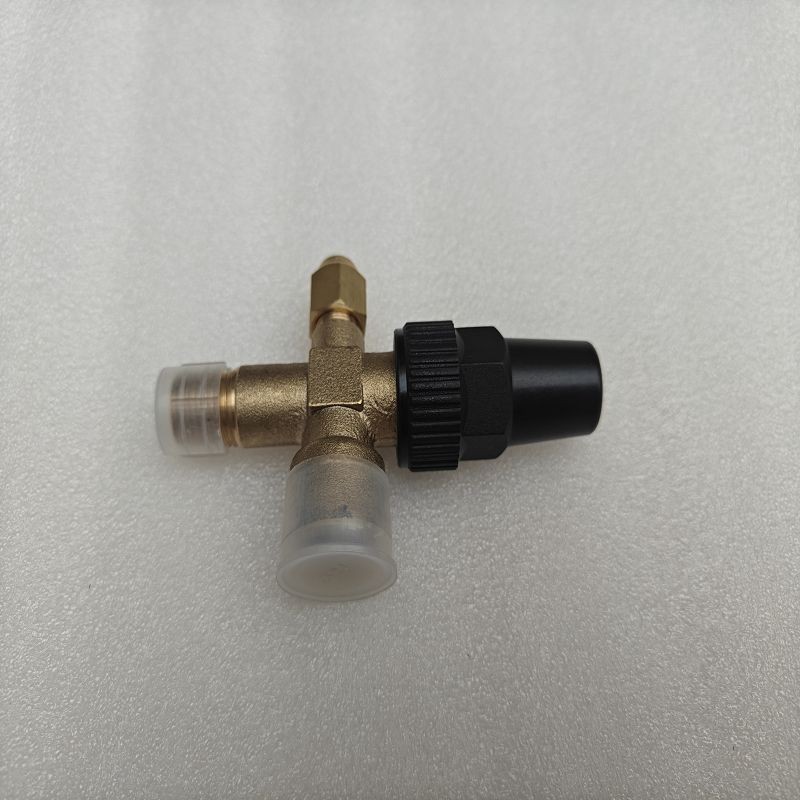
As a relief valve supplier, we take pride in offering high - quality products. Our York Angle Valve, Carrier Relief Valve, and York Relief Valve are made from top - notch materials and are designed to meet the highest industry standards. We also provide excellent customer service and technical support.
If you're in the market for a relief valve or have any questions about assembly, installation, or maintenance, don't hesitate to reach out. We're here to help you find the right solution for your needs. Whether you're a small business or a large industrial operation, we've got the products and expertise to keep your systems safe and running smoothly.
Conclusion
Assembling a relief valve might seem like a daunting task, but if you follow the steps carefully and use the right tools, it can be a manageable job. Remember to do your pre - assembly checks, follow the manufacturer's instructions, and test the valve after assembly. And if you need any relief valves or have any questions, we're just a message away.
References
- Manufacturer's manuals for York Angle Valve, Carrier Relief Valve, and York Relief Valve.
- Industry standards for relief valve assembly and testing.


