


Can York Flow Switch be used in reverse - flow applications?
As a supplier of York Flow Switches, I often encounter questions from customers regarding the suitability of these switches for various applications, especially reverse - flow scenarios. In this blog, I will delve into the technical aspects to determine whether York Flow Switches can be effectively used in reverse - flow applications.
Understanding York Flow Switches
York Flow Switches are well - known in the industry for their reliability and precision. These switches are designed to detect the flow of a fluid (either liquid or gas) in a pipeline. They work based on different principles, such as paddle - type, thermal, or differential pressure.
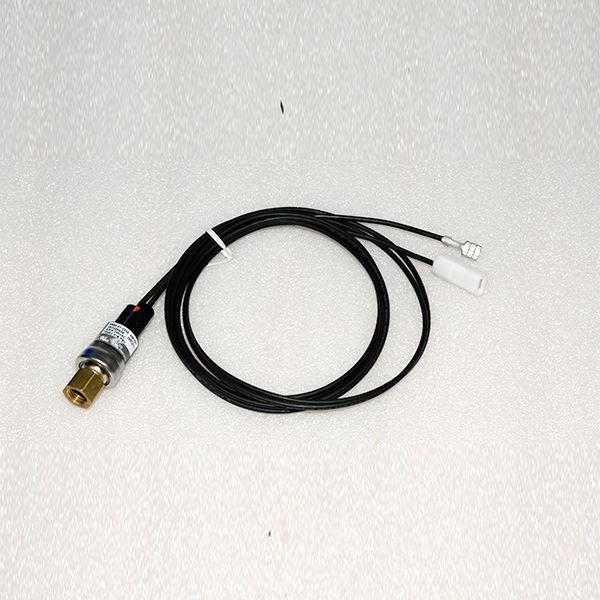

Paddle - type York Flow Switches have a paddle that is placed in the path of the fluid flow. When the fluid moves, it exerts a force on the paddle, which in turn activates a switch mechanism. Thermal Flow Switches, on the other hand, rely on the heat transfer properties of the fluid. As the fluid flows, it affects the temperature of a sensing element, and this change is used to trigger the switch. Differential Pressure Flow Switches measure the pressure difference across a restriction in the pipeline to determine the flow rate.
Reverse - Flow Applications: What are they?
Reverse - flow applications occur when the fluid in a pipeline flows in the opposite direction of the normal or intended flow. This can happen due to various reasons, such as system malfunctions, valve failures, or specific operational requirements. For example, in some industrial processes, there may be a need to reverse the flow of a coolant or a chemical for cleaning or maintenance purposes.
Can York Flow Switches Work in Reverse - Flow?
The answer to whether York Flow Switches can be used in reverse - flow applications is not straightforward and depends on the type of flow switch.
Paddle - Type York Flow Switches
Paddle - type flow switches are generally not suitable for reverse - flow applications. The design of the paddle is optimized for detecting flow in a specific direction. When the flow is reversed, the paddle may not respond in the same way as it does for forward flow. The force exerted on the paddle in the reverse direction may be different, and it may not be sufficient to activate the switch mechanism accurately. In some cases, the paddle may even get damaged if the reverse - flow force is too strong or if it causes the paddle to move in an unexpected way.
Thermal York Flow Switches
Thermal flow switches can potentially work in reverse - flow applications. The principle of operation of thermal flow switches is based on the heat transfer between the fluid and the sensing element. As long as the fluid is flowing, regardless of the direction, it will affect the temperature of the sensing element. However, the calibration of the switch may need to be adjusted. In forward - flow applications, the heat transfer characteristics are well - defined, but in reverse - flow, these characteristics may change slightly. For example, the flow pattern around the sensing element may be different, which can affect the rate of heat transfer. Therefore, if using a thermal York Flow Switch in a reverse - flow application, it is crucial to conduct proper testing and calibration to ensure accurate operation.
Differential Pressure York Flow Switches
Differential pressure flow switches can also be used in reverse - flow applications. These switches measure the pressure difference across a restriction in the pipeline. Whether the flow is forward or reverse, there will still be a pressure difference created across the restriction. However, similar to thermal flow switches, the calibration of the switch may need to be adjusted. The relationship between the pressure difference and the flow rate may be different for reverse - flow compared to forward - flow, so it is necessary to re - evaluate the calibration curve.
Considerations for Using York Flow Switches in Reverse - Flow
If you are considering using a York Flow Switch in a reverse - flow application, there are several important factors to keep in mind:
Calibration
As mentioned earlier, calibration is crucial. You need to ensure that the switch is calibrated correctly for the reverse - flow conditions. This may involve conducting flow tests in the reverse direction and adjusting the switch settings accordingly.
Material Compatibility
The materials used in the construction of the flow switch may be affected by reverse - flow. For example, if the fluid has abrasive particles, the reverse - flow may cause more wear and tear on the internal components of the switch. It is important to choose a flow switch with materials that are compatible with the fluid and the reverse - flow conditions.
System Design
The overall system design also plays a role. You need to ensure that the reverse - flow does not cause any additional stress on the flow switch or other components in the system. For example, if there are sudden changes in flow direction, it may create pressure surges that can damage the switch.
Comparison with Other Switches
When considering reverse - flow applications, it is also worth comparing York Flow Switches with other types of switches available in the market. For example, the Carrier HK02ZA439 Pressure Switch and Carrier 00ppy000012000 High Voltage - switch are also popular in the industry. The Carrier Flow Switch, available at Carrier Flow Switch, has its own features and capabilities. While York Flow Switches have their advantages in terms of reliability and precision, other switches may offer different benefits, such as better performance in extreme temperature or pressure conditions.
Conclusion
In conclusion, whether a York Flow Switch can be used in reverse - flow applications depends on the type of switch. Thermal and differential pressure York Flow Switches have the potential to work in reverse - flow, but they require proper calibration and consideration of various factors. Paddle - type York Flow Switches are generally not recommended for reverse - flow applications.
If you are facing a reverse - flow application and are unsure whether a York Flow Switch is the right choice for you, I encourage you to reach out to us. Our team of experts can provide you with detailed advice and help you select the most suitable flow switch for your specific needs. We are always ready to assist you in ensuring the smooth operation of your systems. Contact us to start a procurement discussion and find the best solution for your reverse - flow requirements.
References
- Manufacturer's documentation for York Flow Switches
- Industry standards for flow switch applications
- Technical papers on fluid flow and flow switch operation


