


Hey there! As an oil level switch supplier, I've been getting a lot of questions lately about whether an oil level switch can be damaged by vibration. So, I thought I'd dive into this topic and share some insights based on my experience in the industry.
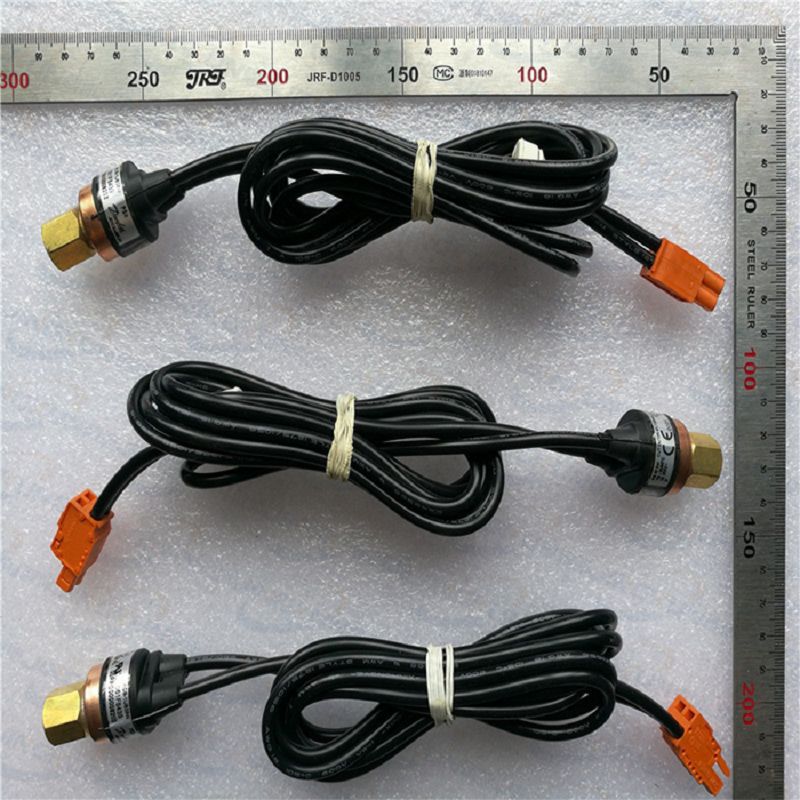
First off, let's understand what an oil level switch does. Simply put, it's a device that monitors the oil level in a system. It sends a signal when the oil level goes below or above a certain threshold, which helps prevent equipment damage and ensures smooth operation. You can check out some of our popular models like the Carrier High Pressure Switch, Carrier OOPPG000011400 Oil Level Switch, and York Oil Level Switch.
Now, let's talk about vibration. Vibration is a common phenomenon in many industrial and mechanical systems. It can be caused by various factors such as rotating machinery, pumps, and even the movement of vehicles. The question is, can this vibration harm an oil level switch?
The answer is, it depends. In some cases, vibration can indeed cause damage to an oil level switch. Here's how:
1. Loose Connections
Vibration can cause the electrical connections in the oil level switch to become loose. Over time, these loose connections can lead to intermittent electrical contact, which may result in false readings or even complete failure of the switch. For example, if the wires connecting the switch to the control system shake loose due to vibration, the signal transmission can be disrupted.
2. Mechanical Wear and Tear
The internal components of an oil level switch, such as the float, springs, and contacts, can be affected by vibration. Continuous vibration can cause these components to wear out faster than normal. The float, which is responsible for detecting the oil level, may get misaligned or damaged, leading to inaccurate readings. Similarly, the springs that help maintain the proper position of the float can lose their elasticity over time due to vibration.
3. Impact on Sensing Elements
Some oil level switches use sensitive sensing elements, such as pressure sensors or capacitive sensors, to detect the oil level. Vibration can generate unwanted pressure fluctuations or electrical noise that can interfere with the operation of these sensing elements. This can cause the switch to malfunction or give inaccurate readings.
However, not all oil level switches are equally vulnerable to vibration. The design and construction of the switch play a crucial role in determining its resistance to vibration. Here are some factors to consider:
1. Mounting Design
A well-designed mounting system can help reduce the impact of vibration on the oil level switch. For example, using shock-absorbing mounts or flexible couplings can isolate the switch from the source of vibration. This helps protect the internal components of the switch and ensures stable operation.
2. Quality of Components
The quality of the components used in the oil level switch also matters. High-quality switches are typically built with durable materials and precision engineering, which makes them more resistant to vibration. Cheaper switches may use lower-quality components that are more likely to fail under vibration.
3. Enclosure Design
The enclosure of the oil level switch can provide additional protection against vibration. A sturdy and well-sealed enclosure can prevent external vibrations from reaching the internal components of the switch. It can also protect the switch from dust, moisture, and other environmental factors that can exacerbate the effects of vibration.
So, what can you do to protect your oil level switch from vibration? Here are some tips:

1. Proper Installation
Make sure the oil level switch is installed correctly. Follow the manufacturer's instructions regarding mounting and wiring. Use the recommended mounting hardware and ensure that the switch is securely fastened. This will help reduce the risk of loose connections and minimize the impact of vibration.
2. Vibration Dampening
Consider using vibration dampening materials or devices to reduce the amount of vibration transmitted to the oil level switch. This can include rubber pads, shock absorbers, or vibration isolators. These materials can help absorb and dissipate the energy of the vibration, protecting the switch from damage.
3. Regular Maintenance
Regular maintenance is essential to keep your oil level switch in good working condition. Inspect the switch periodically for any signs of damage or wear. Check the electrical connections for tightness and the internal components for proper operation. Replace any worn or damaged parts as soon as possible.
In conclusion, while vibration can potentially damage an oil level switch, the risk can be minimized through proper design, installation, and maintenance. As an oil level switch supplier, we offer a range of switches that are designed to withstand vibration and other environmental challenges. If you're in the market for a reliable oil level switch, or if you have any questions about protecting your existing switch from vibration, don't hesitate to reach out. We're here to help you find the right solution for your needs. Whether you need a Carrier High Pressure Switch, Carrier OOPPG000011400 Oil Level Switch, or York Oil Level Switch, we've got you covered. Let's work together to ensure the smooth operation of your systems.
References
- "Industrial Vibration Analysis Handbook" by Thomas G. Beardsley
- "Electrical Engineering Handbook" by Richard C. Dorf
- Manufacturer's manuals for oil level switches


