


Can a Pressure Switch be Used in Vacuum Applications?
As a seasoned pressure switch supplier, I often encounter inquiries from customers about the applicability of pressure switches in vacuum applications. This topic is not only crucial for industries relying on precise pressure control but also holds significant interest for those exploring the boundaries of pressure switch functionality. In this blog post, I'll delve into the technical aspects of using pressure switches in vacuum environments, discuss the factors to consider, and highlight some of our reliable products suitable for such applications.
Understanding Pressure Switches and Vacuum
Before we explore the compatibility of pressure switches with vacuum applications, let's first understand what pressure switches and vacuum are. A pressure switch is an electromechanical device that monitors and controls pressure in a system. It operates by sensing a change in pressure and then activating or deactivating an electrical circuit when a preset pressure level is reached. Pressure switches are widely used in various industries, including HVAC, automotive, and industrial manufacturing, to ensure safe and efficient operation of equipment.
On the other hand, vacuum refers to a space devoid of matter or a region where the pressure is significantly lower than the atmospheric pressure. In industrial applications, vacuum is commonly used for processes such as material handling, packaging, and semiconductor manufacturing. The key question here is whether a pressure switch, designed primarily for positive pressure applications, can effectively function in a vacuum environment.
Can Pressure Switches Work in Vacuum?
The short answer is yes, but with certain considerations. Not all pressure switches are suitable for vacuum applications. Traditional pressure switches are typically designed to operate within a specific pressure range, which may not include vacuum levels. However, there are specialized pressure switches available that are engineered to handle both positive and negative pressures, including vacuum conditions.
These specialized pressure switches are equipped with unique features to ensure reliable operation in vacuum environments. For example, they may have a diaphragm or bellows mechanism that can withstand the differential pressure between the vacuum and the surrounding atmosphere. Additionally, the electrical contacts of these switches are designed to prevent arcing and ensure proper electrical isolation, which is crucial in vacuum applications where the risk of electrical breakdown is higher.
Factors to Consider When Using Pressure Switches in Vacuum
When selecting a pressure switch for vacuum applications, several factors need to be taken into account to ensure optimal performance and reliability.
- Pressure Range: The pressure switch must be capable of operating within the specific vacuum range required by the application. It's essential to choose a switch with a pressure range that includes the minimum and maximum vacuum levels expected in the system.
- Accuracy: In vacuum applications, precise pressure control is often critical. Therefore, the pressure switch should have a high level of accuracy to ensure that the set pressure points are maintained within acceptable tolerances.
- Response Time: The response time of the pressure switch is another important factor. In some applications, such as rapid vacuum cycling, a fast response time is necessary to ensure timely activation or deactivation of the electrical circuit.
- Material Compatibility: The materials used in the pressure switch must be compatible with the vacuum environment and any gases or fluids present in the system. For example, some materials may outgas in a vacuum, which can contaminate the system and affect the performance of the pressure switch.
- Electrical Rating: The electrical rating of the pressure switch should be suitable for the electrical load and voltage requirements of the application. It's important to ensure that the switch can handle the electrical current without overheating or causing electrical failures.
Our Pressure Switches for Vacuum Applications
As a leading pressure switch supplier, we offer a wide range of pressure switches suitable for vacuum applications. Our products are designed and manufactured to meet the highest standards of quality and reliability, ensuring optimal performance in even the most demanding vacuum environments.
One of our popular products is the Trane Pressure Switch. This pressure switch is specifically designed for HVAC applications and can handle both positive and negative pressures, including vacuum levels. It features a high level of accuracy and a fast response time, making it ideal for precise pressure control in vacuum systems.
Another reliable option is the Carrier Pressure Switch. This pressure switch is known for its durability and long service life, making it a popular choice for industrial applications. It can operate within a wide pressure range, including vacuum conditions, and is equipped with advanced features to ensure reliable performance in harsh environments.

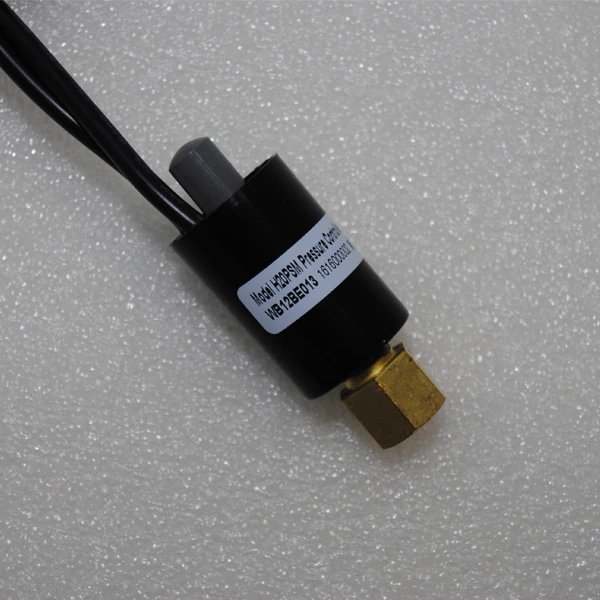
For more specialized vacuum applications, we recommend the Carrier HK02ZA439 Pressure Switch. This pressure switch is designed for high-precision pressure control in vacuum systems and offers exceptional accuracy and stability. It is also compatible with a variety of gases and fluids, making it suitable for a wide range of applications.
Conclusion
In conclusion, pressure switches can be used in vacuum applications, but it's essential to choose the right switch for the specific requirements of the system. By considering factors such as pressure range, accuracy, response time, material compatibility, and electrical rating, you can ensure optimal performance and reliability of the pressure switch in a vacuum environment.
As a trusted pressure switch supplier, we are committed to providing our customers with high-quality products and excellent customer service. If you have any questions or need assistance in selecting the right pressure switch for your vacuum application, please don't hesitate to contact us. We look forward to working with you to meet your pressure control needs.
References
- Instrumentation and Control Systems Handbook, Third Edition, by William D. Stanley
- Pressure Measurement and Control, by David W. Spitzer


