

In the complex world of refrigeration systems, every component plays a crucial role in maintaining optimal performance. One such component is the expansion valve, which is responsible for regulating the flow of refrigerant into the evaporator. A common question that arises among technicians and system operators is whether a clogged expansion valve can cause high pressure in a refrigeration system. As an expansion valve supplier, I have encountered this issue numerous times and have gained valuable insights into its causes and effects.
Understanding the Role of the Expansion Valve
Before delving into the relationship between a clogged expansion valve and high pressure, it's essential to understand the basic function of the expansion valve. In a refrigeration system, the expansion valve acts as a metering device, controlling the amount of refrigerant that enters the evaporator. This process is critical because it ensures that the refrigerant evaporates at the right rate, absorbing heat from the surrounding environment and cooling the space.
The expansion valve operates based on the pressure difference between the high-pressure liquid refrigerant in the condenser and the low-pressure vapor refrigerant in the evaporator. When the valve is open, it allows the high-pressure liquid refrigerant to expand rapidly into a low-pressure vapor, which then flows through the evaporator coils. This expansion process is what cools the refrigerant and enables it to absorb heat.
How a Clogged Expansion Valve Can Lead to High Pressure
A clogged expansion valve can disrupt the normal flow of refrigerant in the system, leading to a variety of problems, including high pressure. There are several ways in which a clogged valve can cause high pressure:
Restricted Refrigerant Flow
When the expansion valve becomes clogged, it restricts the flow of refrigerant into the evaporator. As a result, the high-pressure liquid refrigerant in the condenser has nowhere to go, causing the pressure to build up. This increase in pressure can be significant and can lead to damage to the compressor and other components of the system.
Reduced Evaporator Capacity
A clogged expansion valve can also reduce the capacity of the evaporator to absorb heat. Since less refrigerant is flowing into the evaporator, there is less surface area available for heat transfer. This means that the refrigerant cannot evaporate as efficiently, and the temperature in the evaporator remains higher than normal. As a result, the compressor has to work harder to maintain the desired cooling effect, which can further increase the pressure in the system.
Overheating of the Compressor
The increased pressure in the system can cause the compressor to overheat. The compressor is responsible for compressing the low-pressure vapor refrigerant into a high-pressure vapor, which then flows to the condenser. When the pressure in the system is too high, the compressor has to work harder to compress the refrigerant, which generates more heat. Over time, this can lead to premature wear and tear on the compressor and can eventually cause it to fail.
Signs of a Clogged Expansion Valve
Identifying a clogged expansion valve early is crucial to prevent further damage to the refrigeration system. Some common signs of a clogged expansion valve include:
High Discharge Pressure
One of the most obvious signs of a clogged expansion valve is high discharge pressure. The discharge pressure is the pressure of the refrigerant leaving the compressor and entering the condenser. If the expansion valve is clogged, the discharge pressure will be higher than normal.
Low Suction Pressure
In addition to high discharge pressure, a clogged expansion valve can also cause low suction pressure. The suction pressure is the pressure of the refrigerant entering the compressor from the evaporator. When the valve is clogged, less refrigerant is flowing into the evaporator, which causes the suction pressure to drop.
Poor Cooling Performance
A clogged expansion valve can also result in poor cooling performance. Since less refrigerant is flowing into the evaporator, the system cannot cool the space as effectively. This can lead to higher temperatures in the refrigerated area and can cause the compressor to run continuously in an attempt to maintain the desired temperature.
Frost or Ice on the Evaporator Coils
Another sign of a clogged expansion valve is the presence of frost or ice on the evaporator coils. When the valve is clogged, the refrigerant cannot evaporate as efficiently, and the temperature in the evaporator drops below the freezing point. This can cause moisture in the air to condense on the coils and freeze, forming frost or ice.
Preventing and Fixing a Clogged Expansion Valve
Preventing a clogged expansion valve is essential to ensure the proper functioning of the refrigeration system. Here are some tips to prevent valve clogging:
Regular Maintenance
Regular maintenance is key to preventing valve clogging. This includes cleaning or replacing the filters, checking the refrigerant levels, and inspecting the expansion valve for any signs of damage or wear.
Using High-Quality Refrigerant
Using high-quality refrigerant can also help prevent valve clogging. Low-quality refrigerant may contain impurities or contaminants that can accumulate in the valve and cause it to clog.
Installing a Filter Drier
Installing a filter drier in the refrigeration system can help remove any moisture, dirt, or debris from the refrigerant before it reaches the expansion valve. This can help prevent valve clogging and extend the life of the valve.
If a clogged expansion valve is detected, it's important to take immediate action to fix the problem. This may involve cleaning or replacing the valve, depending on the severity of the clog. In some cases, it may also be necessary to flush the system to remove any contaminants that may have accumulated.
Our Expansion Valve Products
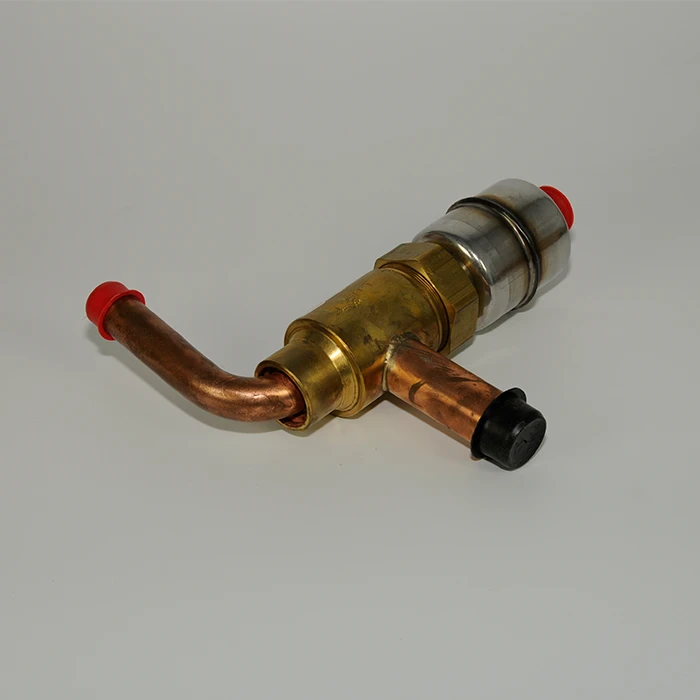
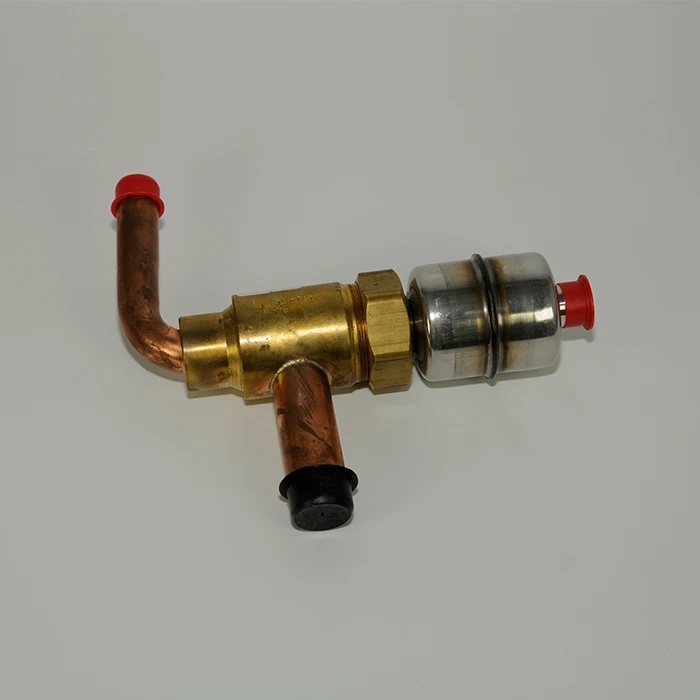
As an expansion valve supplier, we offer a wide range of high-quality expansion valves to meet the needs of different refrigeration systems. Our products include the York Expansion Valve 025-44027, Danfoss Electronic Expansion Valve, and Carrier Expansion Valve 32GB402544. These valves are designed to provide reliable and efficient performance, and they are backed by our commitment to quality and customer service.
Contact Us for Expansion Valve Solutions
If you are experiencing problems with your refrigeration system or are looking for high-quality expansion valves, we are here to help. Our team of experts can provide you with the advice and support you need to choose the right valve for your system and ensure its proper installation and operation. Contact us today to discuss your expansion valve needs and to learn more about our products and services.
References
- ASHRAE Handbook - Refrigeration. American Society of Heating, Refrigerating and Air-Conditioning Engineers.
- Refrigeration and Air Conditioning Technology. William C. Whitman, William M. Johnson, John Tomczyk, and Eugene Silberstein.


