

Yo! I'm in the touch screen game, and I get a ton of questions about touch screen resolution. It's a big deal, especially if you're in the market for a new touch screen. So, let's break it down in a way that's easy to understand.
First off, what exactly is resolution? In simple terms, resolution refers to the number of pixels that make up the display on a touch screen. Pixels are those tiny dots that combine to form the images and text you see on your screen. The more pixels there are, the sharper and clearer the image will be.
Think of it like a jigsaw puzzle. If you have a puzzle with a small number of large pieces, the picture won't be as detailed as one with a whole bunch of tiny pieces. That's the same idea with touch screen resolution. A higher resolution means more pixels, and more pixels mean a more detailed and crisp image.
Now, there are different ways to measure resolution. The most common way is to use the number of horizontal pixels multiplied by the number of vertical pixels. For example, a touch screen with a resolution of 1920 x 1080 has 1,920 pixels horizontally and 1,080 pixels vertically. This is a pretty standard resolution for many modern touch screens, including those you might find in smartphones, tablets, and laptops.
But why does resolution matter? Well, for starters, it affects the overall viewing experience. If you're using a touch screen for things like watching videos, playing games, or looking at photos, a higher resolution will make everything look better. Colors will be more vibrant, details will be sharper, and you'll be able to see things that you might miss on a lower resolution screen.
It also matters if you're using the touch screen for work. If you're a graphic designer, for example, you'll need a high-resolution screen to accurately view and edit your designs. The same goes for photographers, video editors, and anyone else who works with visual content.

Another important aspect of resolution is its impact on touch accuracy. When you touch a touch screen, the device needs to be able to accurately detect where you're touching. A higher resolution can make this process more precise, as there are more pixels to detect your touch. This can be especially important if you're using the touch screen for tasks that require a lot of precision, like drawing or writing.
As a touch screen supplier, I've seen firsthand the difference that resolution can make. That's why we offer a wide range of touch screens with different resolutions to meet the needs of our customers. Whether you're looking for a high-resolution screen for a professional application or a more budget-friendly option for everyday use, we've got you covered.
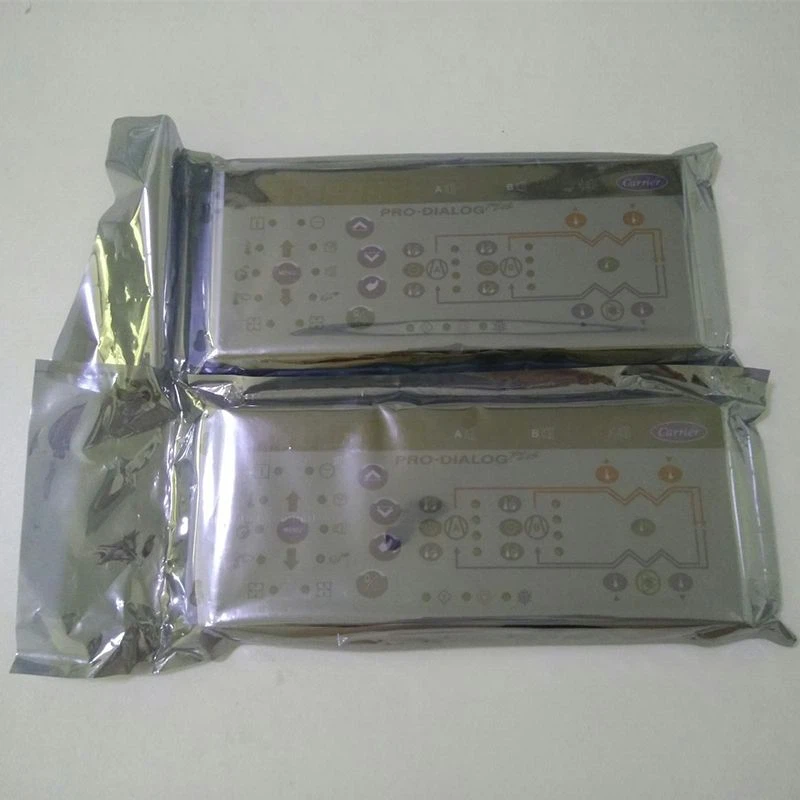
For example, we have the Carrier Touch Screen. This is a great option for those who need a reliable and high-quality touch screen. It comes in a variety of resolutions, so you can choose the one that's right for you.
If you're looking for something a bit more specific, we also have the Carrier TCarrier Touch Screen Oopsg001652200A. This touch screen is designed with certain features in mind and offers a great balance of resolution and performance.
And for those who need a smaller touch screen with a good resolution, our Carrier CEPL131228-01-R-S 4.3 "PIC6 Touch Screen is a great choice. It's perfect for applications where space is limited but you still want a clear and detailed display.
When you're choosing a touch screen, it's important to consider your specific needs. Think about what you'll be using the touch screen for, how much you're willing to spend, and what kind of resolution you need. If you're not sure, don't hesitate to reach out to us. We've got a team of experts who can help you find the right touch screen for your needs.
In addition to resolution, there are other factors that can affect the quality of a touch screen. These include things like color accuracy, contrast ratio, and viewing angles. But resolution is definitely one of the most important factors, so it's worth taking the time to understand it.
So, there you have it - a basic overview of what touch screen resolution is and why it matters. If you're in the market for a new touch screen, I hope this information has been helpful. And if you have any questions or want to learn more about our touch screen products, just drop us a line. We're always happy to help you find the perfect touch screen for your needs. Whether you're a business looking to upgrade your point-of-sale system or an individual looking for a new tablet, we've got the touch screens you need. Let's start a conversation and see how we can work together to get you the best touch screen solution.
References
- General knowledge about touch screen technology and display resolution from industry experience.


