


In the dynamic landscape of electronic devices, the question of whether a logic board can be used in multiple devices is a topic that warrants in - depth exploration. As a seasoned logic board supplier, I've witnessed firsthand the complexities and possibilities associated with this issue.
Understanding Logic Boards
Before delving into the potential for multi - device use, it's essential to understand what a logic board is. A logic board, also known as a motherboard in many consumer electronics, is the central printed circuit board in a device. It serves as the communication hub, connecting various components such as the CPU, memory, storage, and input/output interfaces.
Logic boards are designed with specific functions and features tailored to the requirements of a particular device. For example, a smartphone logic board is engineered to handle high - speed data processing, wireless communication, and multimedia functions in a compact form factor. On the other hand, a computer logic board may focus more on expandability, supporting a wide range of peripherals and high - performance components.
Factors Affecting Multi - Device Compatibility
Physical Dimensions and Form Factor
One of the most obvious limitations to using a logic board in multiple devices is the physical size and shape. Different devices have different internal layouts and space constraints. A laptop logic board, for instance, is designed to fit snugly within the thin and compact chassis of a laptop. It would be physically impossible to install this board into a desktop computer, which typically has a much larger and more open - ended case.
Electrical Specifications
Each device has its own unique power requirements and electrical characteristics. The voltage, current, and power consumption of components on a logic board must be compatible with the device's power supply. A logic board designed for a low - power tablet may not be able to handle the higher power demands of a gaming console. Similarly, the electrical interfaces on the board, such as the connectors for hard drives, displays, and other peripherals, must match those of the device.
Software and Firmware Compatibility
Software plays a crucial role in the functionality of a device. The operating system, drivers, and firmware are all optimized for a specific hardware configuration. A logic board from one device may have a different set of hardware components and interfaces, which may not be recognized or supported by the software of another device. For example, the BIOS (Basic Input/Output System) on a desktop computer logic board is designed to initialize and manage the specific hardware components of that computer. If this board is installed in a different device, the BIOS may not be able to communicate properly with the new hardware, leading to system instability or failure.

Examples of Limited Compatibility
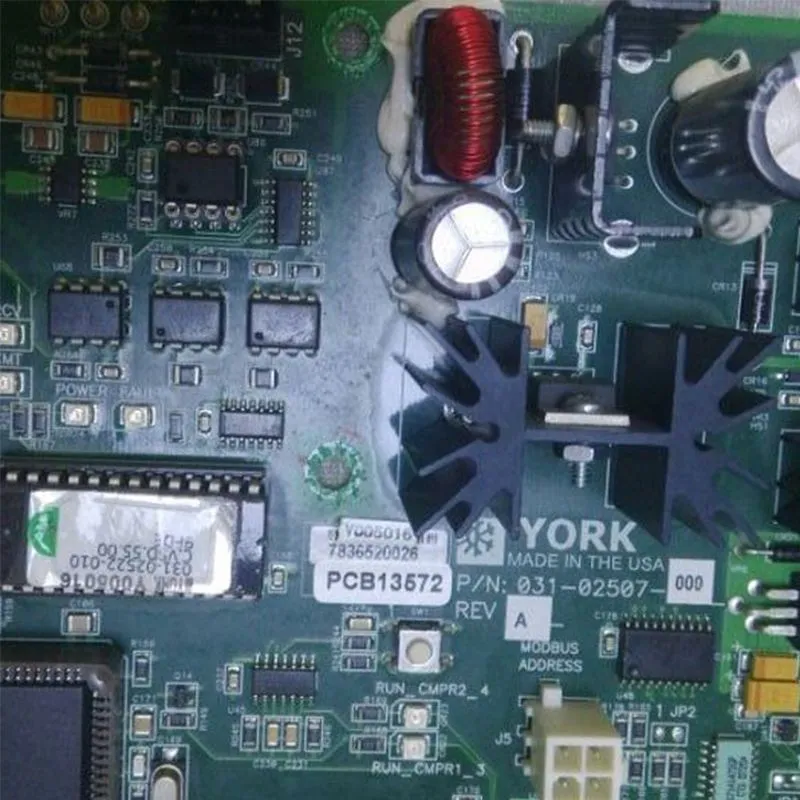
Let's take a look at some real - world examples to illustrate these points. Consider the York Logic Board. This logic board is specifically designed for York brand HVAC (Heating, Ventilation, and Air Conditioning) systems. It has a set of sensors, relays, and communication interfaces that are tailored to the requirements of these systems. Attempting to use this logic board in a different type of device, such as a home entertainment system, would be futile due to the differences in physical size, electrical specifications, and software requirements.
Another example is the York 331 - 02507 - 601 Logic Power Supply Board. This board is a critical component in York HVAC systems, providing the necessary power and control signals to the various components. Its design is optimized for the specific power requirements and electrical characteristics of York HVAC units. It cannot be easily adapted for use in other types of electronic devices.
Exceptions and Possibilities
While there are significant challenges to using a logic board in multiple devices, there are some exceptions and possibilities. In some cases, manufacturers may use standardized components and interfaces across different product lines. For example, some consumer electronics manufacturers may use a common logic board platform for different models of smartphones or tablets. This allows for greater efficiency in production and easier maintenance.
In the industrial and commercial sectors, there are also instances where logic boards can be used in multiple similar devices. For example, in a manufacturing plant, multiple machines may use the same type of control logic board. These boards are designed to be modular and easily replaceable, reducing downtime and maintenance costs.
The Carrier Integrated Starter Module ISM CEPL130259 - 07 - R 19XR04012203 is an example of a component that may have some degree of multi - device compatibility within the Carrier product line. It is designed to provide starting and control functions for specific types of Carrier equipment. While it may not be suitable for use in non - Carrier devices, it can potentially be used in multiple Carrier units with similar specifications.
Conclusion and Call to Action
In conclusion, while the idea of using a logic board in multiple devices is appealing from a cost - saving and efficiency perspective, it is often limited by physical, electrical, and software factors. However, there are exceptions and opportunities, especially in cases where standardization and modular design are employed.
As a logic board supplier, we understand the challenges and opportunities in this field. We have a wide range of high - quality logic boards that are designed to meet the specific needs of different devices. Whether you are looking for a custom - designed logic board for a new product or a replacement board for an existing device, we can provide the solutions you need.
If you are interested in learning more about our logic board products or have specific requirements for your project, we encourage you to reach out to us for a detailed discussion. Our team of experts is ready to assist you in finding the best logic board solutions for your devices.
References
- "Computer Architecture: A Quantitative Approach" by John L. Hennessy and David A. Patterson.
- "Electronic Devices and Circuit Theory" by Robert L. Boylestad and Louis Nashelsky.
- Manufacturer documentation for York and Carrier products.


